
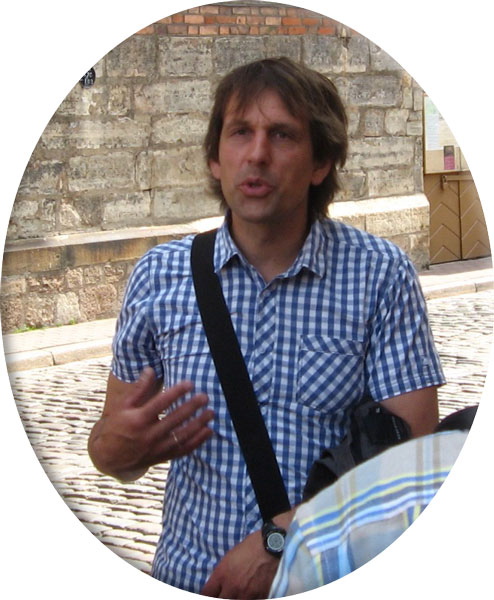
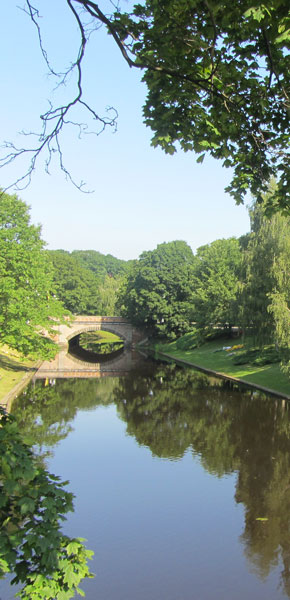
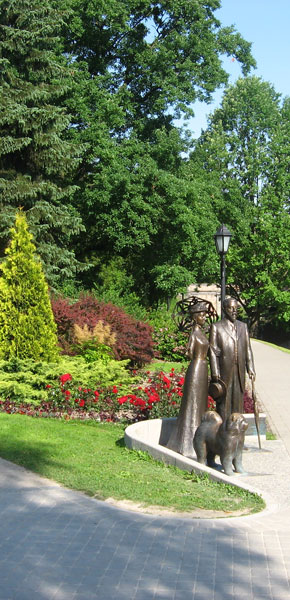
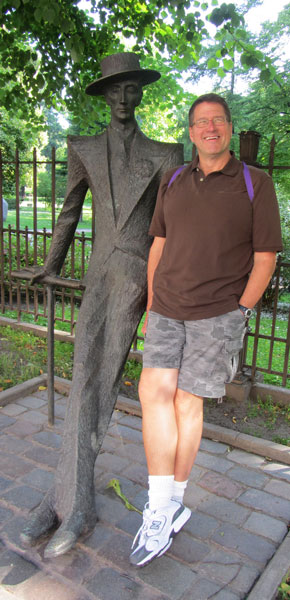
Our first full day in Riga began with a walking tour led by local Latvian guide, Peteris. From the hotel, we walked towards Riga’s Old Town, which was separated from “modern” Riga by a lush park. Bisected by a slow-flowing canal and replete with floral gardens, scenic walkways and random artwork, our group paused here while Peteris expounded on his city’s history.
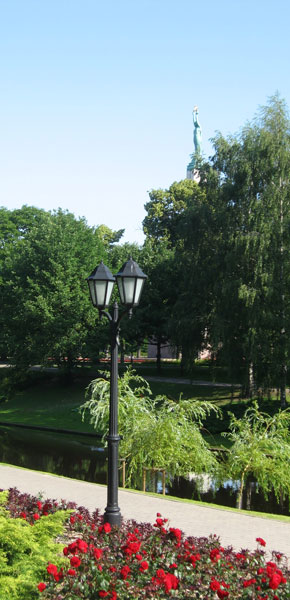
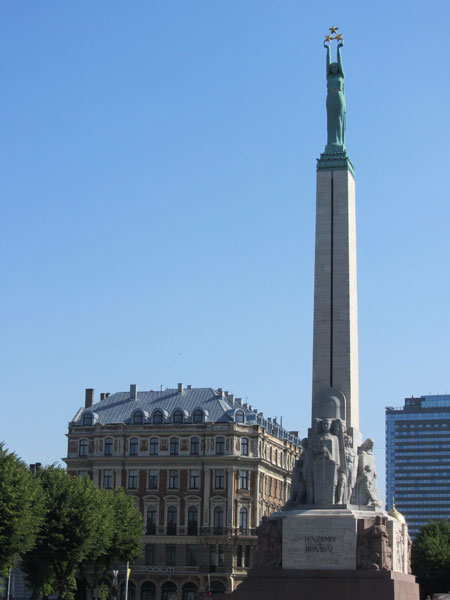
Enroute from (and, later, to) the hotel, we passed the imposing Riga Freedom Monument. Built to honor soldiers killed during the Latvian War of Independence (1918–1920) — their first independence — it is considered a symbol of the sovereignty of Latvia.
During the Soviet occupation, its symbolism was reinterpreted by the Soviet authorities. The three stars were said to stand for the three Baltic “republics” of the USSR held aloft by “Mother Russia.” The monument was said to have been erected after World War II as a “sign of popular gratitude” toward the Soviet leader Joseph Stalin for the “liberation” of the three countries.
I learned later that the stone monolith is actually capped by the pagan goddess Milda, a Baltic figure of love, courtship, friendship and freedom, the latter being the reason that this monument received this particular name. (Fun fact: the model for the sculpture was a Lithuanian woman, surname Jasikienė, who lived in Riga.)
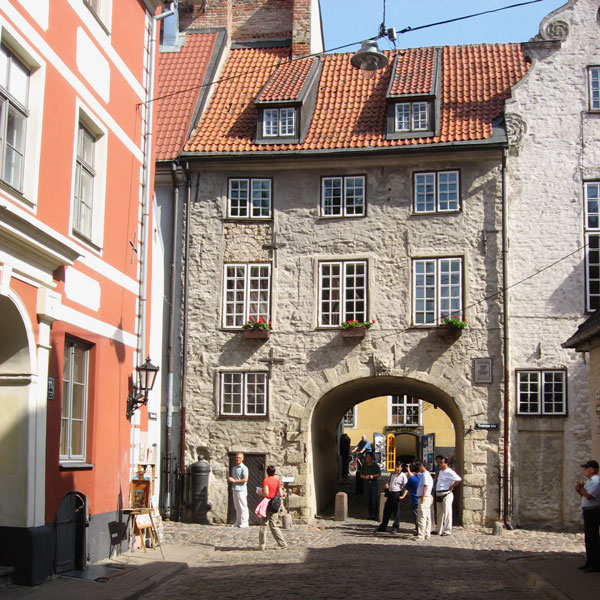
Old Town Architecture
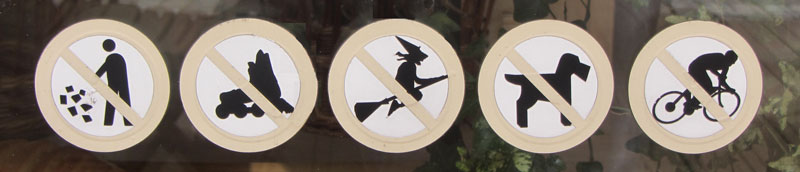
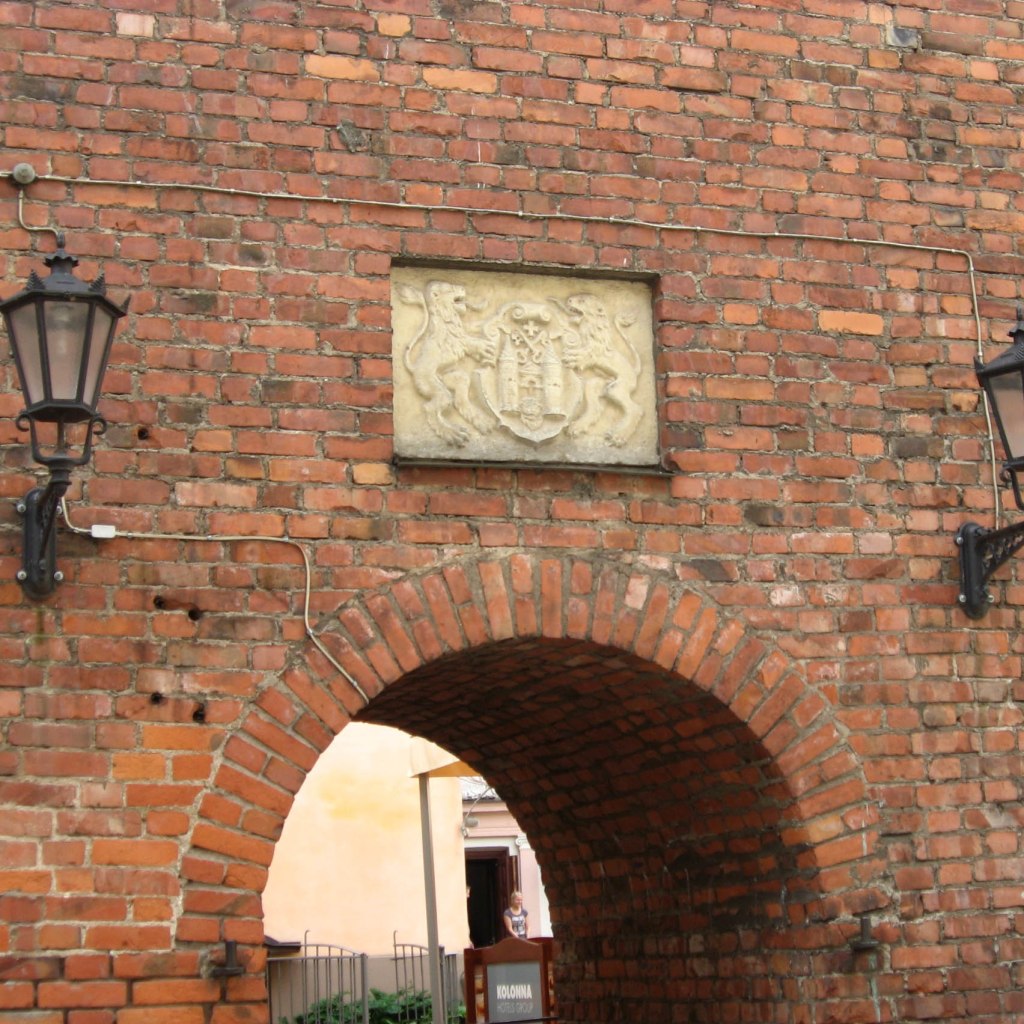
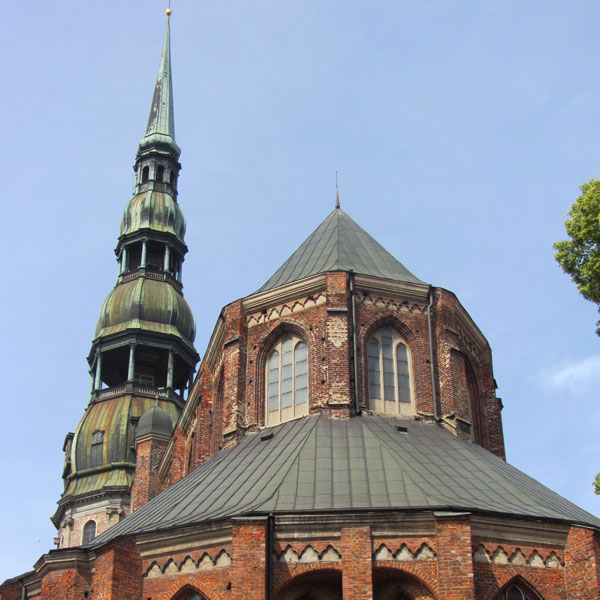
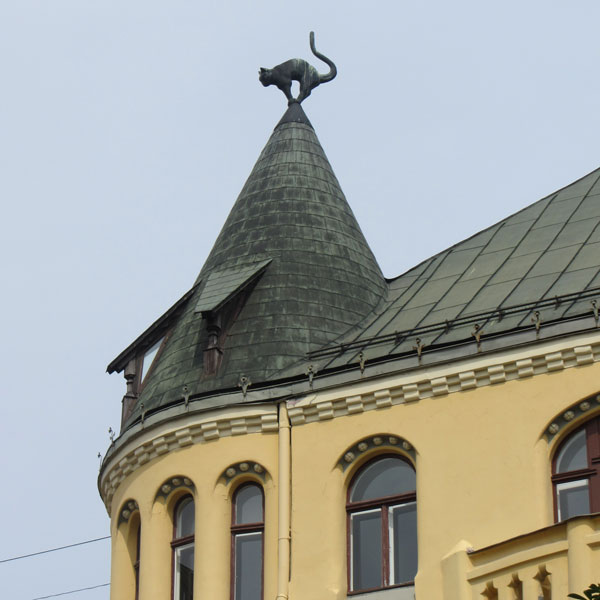
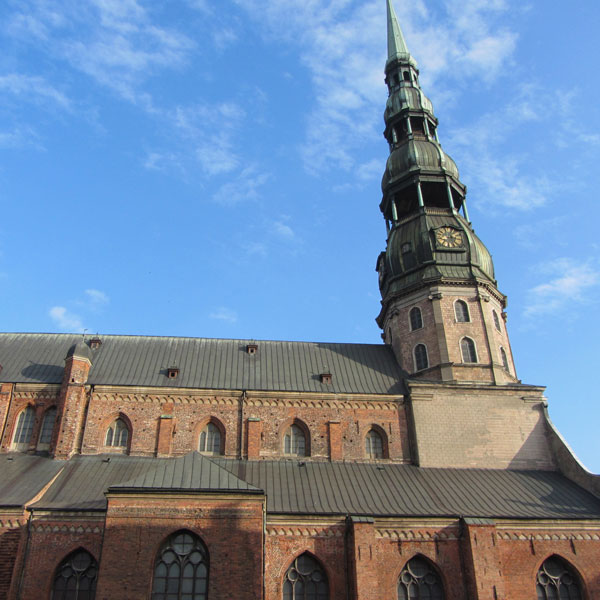
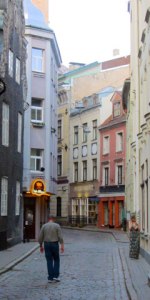
Here are views of old Riga taken as we toured the streets. While Riga is well-known for having the highest concentration of Art Nouveau (Jūgendstils) architecture anywhere in the world — more on that later — the medieval old town is a diverse mix of Romantic, Gothic, Manneristic, Baroque, Eclectic, and Modernistic architecture that is reflective of its Hanseatic League membership from the 13th to the 15th centuries.
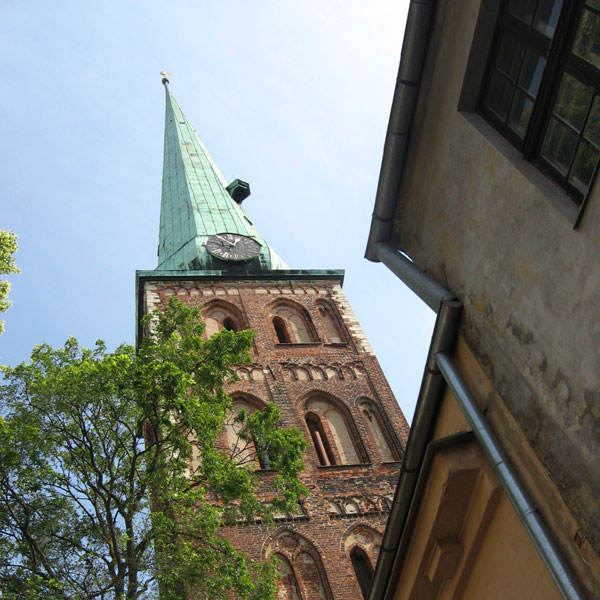
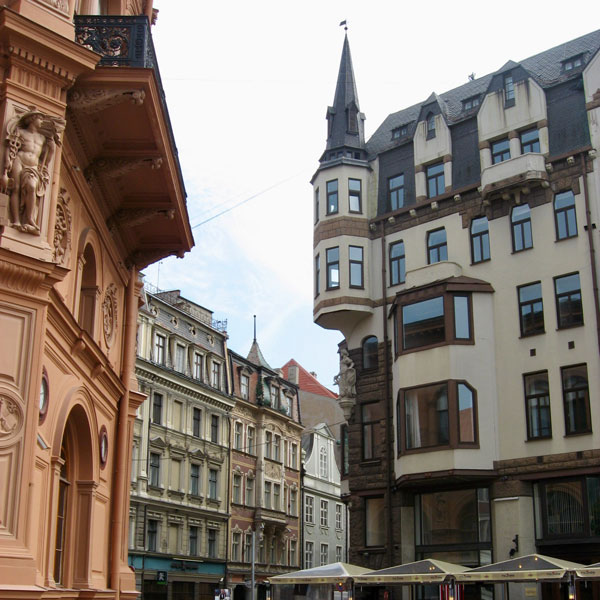
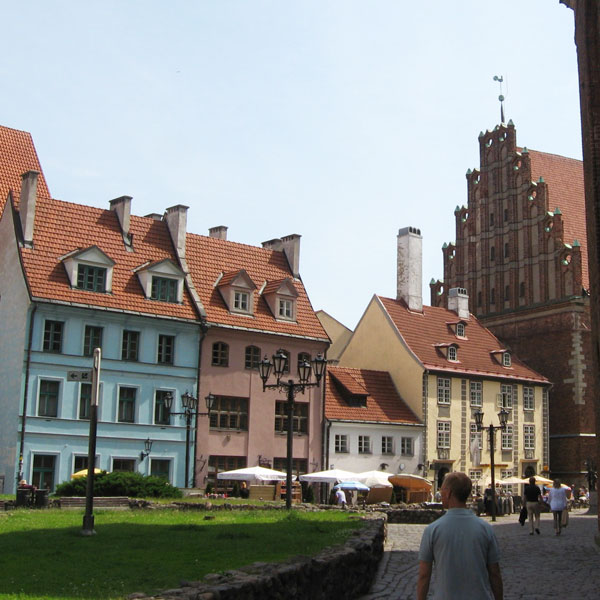
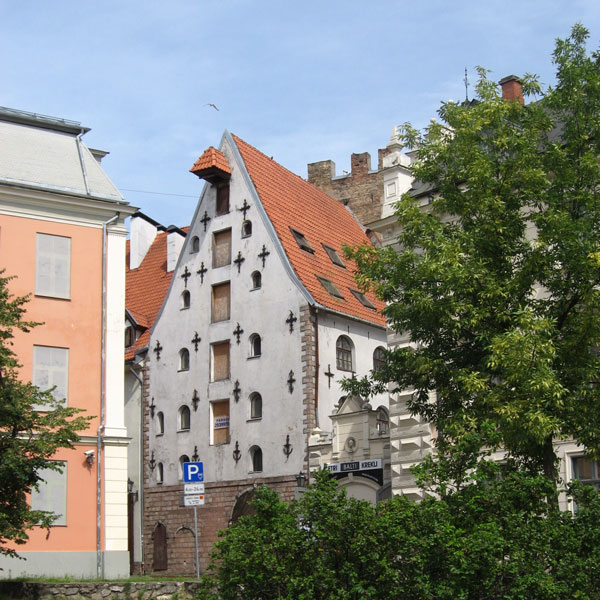
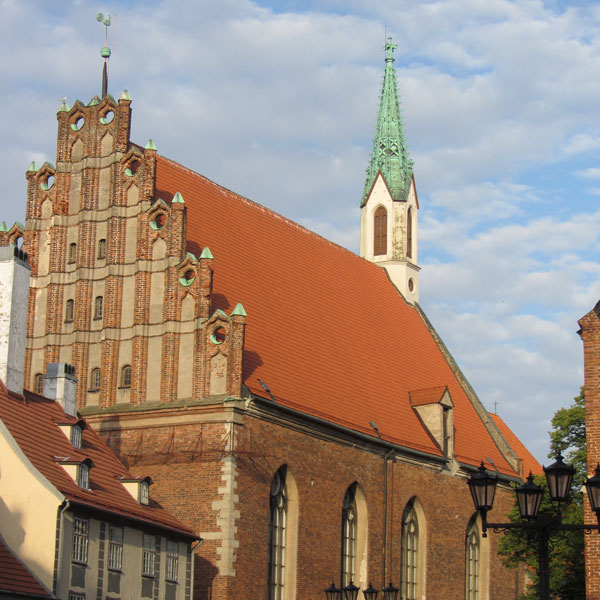
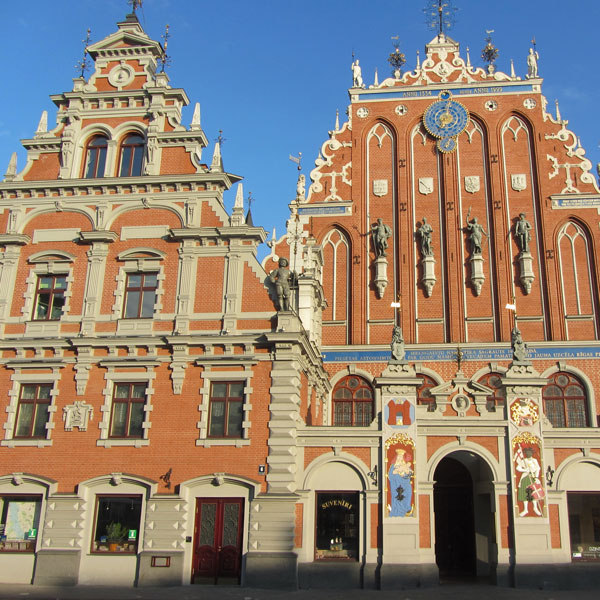
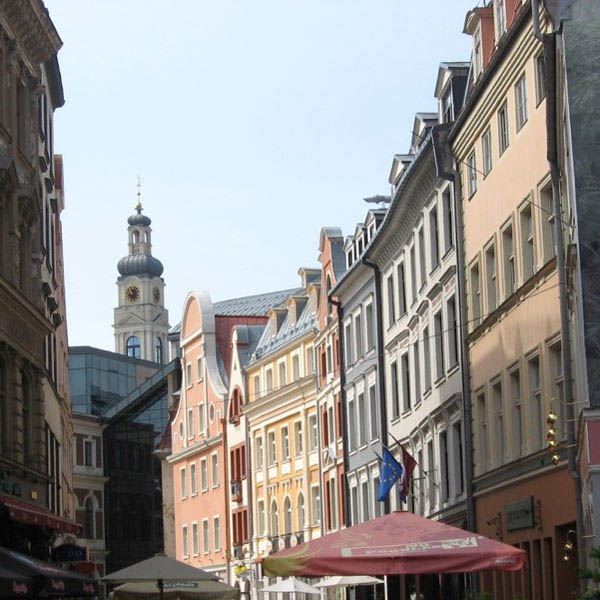
The Bremen Musicians Statue
Located behind St. Peter’s, the Bremen Musicians Statue illustrates a famous tale by the Brothers Grimm that featured the donkey, the dog, the cat and the rooster standing atop each other. The statue captures the moment when the four form a pyramid to peek into the house that they intend to free from the highwaymen.
The monument was gifted to Riga in 1990 (when Latvia was still an SSR) by it’s fraternal city, Bremen, in Germany. People suspected there was a subtle political undertone to it. One interpretation was that the animals were peeping through the Iron Curtain…and, boy, were they surprised by what they saw!
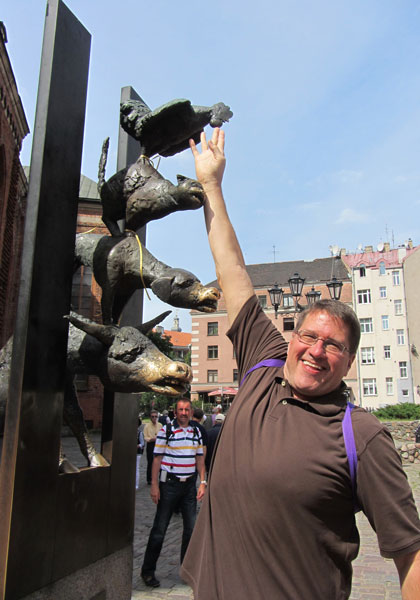
Of course, there is a ritual to follow when coming upon the Town Musicians: rubbing the noses of the animals. It is supposed to bring good luck. As can be seen, the lower snouts are quite shiny. But what’s in store for the most athletic (or, in my case, the tallest) visitor who can reach the rooster’s beak all the way on top? They will have an extra bit of good fortune coming their way!
Riga and Art Nouveau
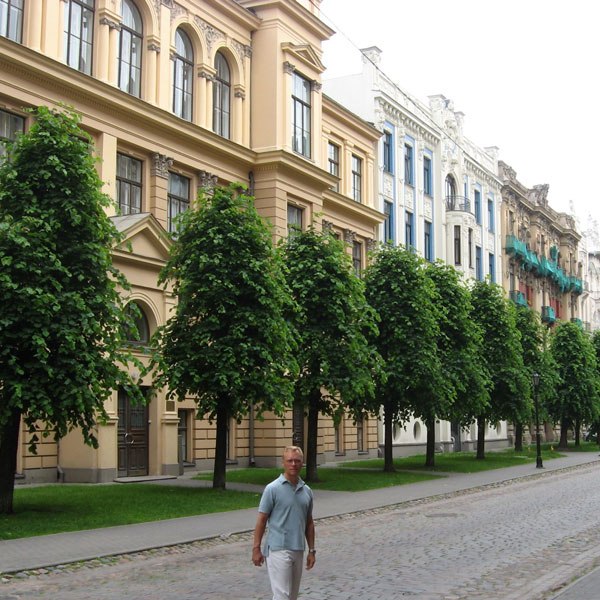
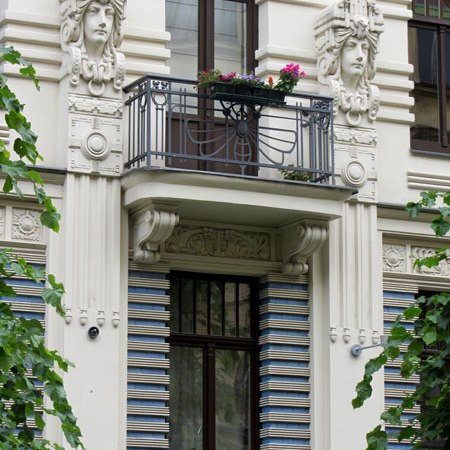
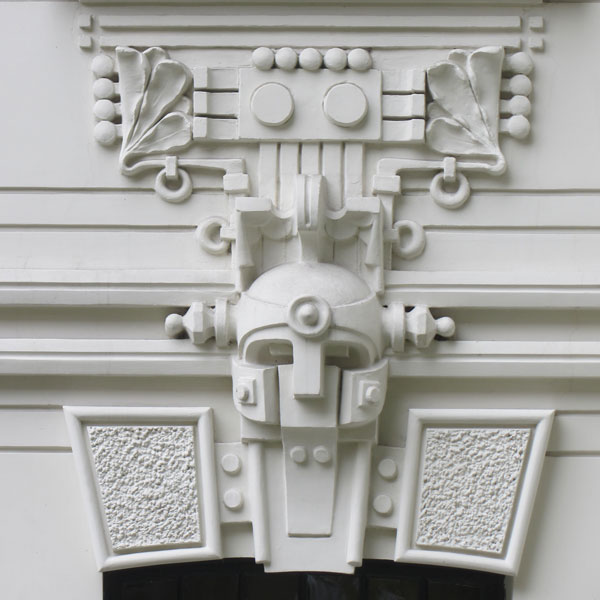
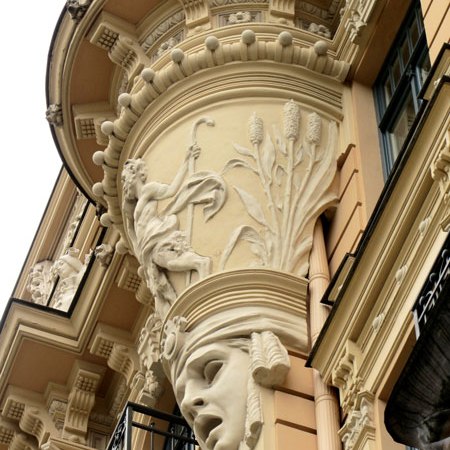
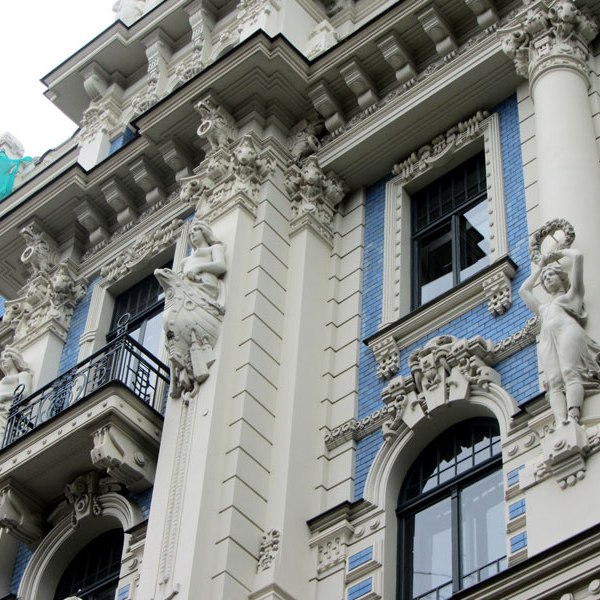
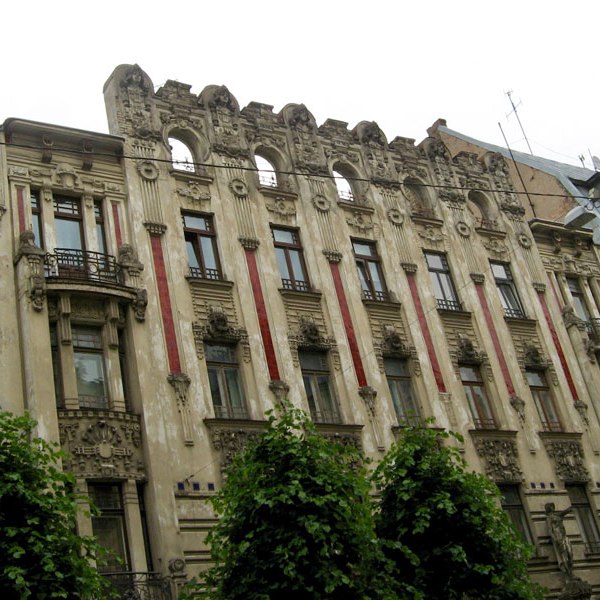
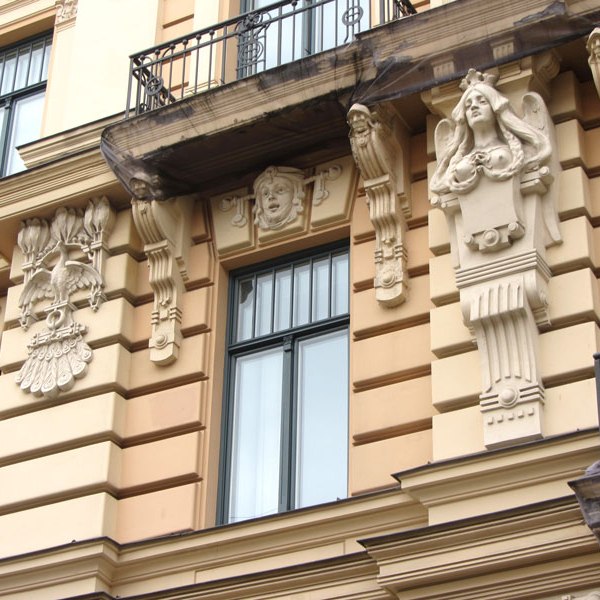
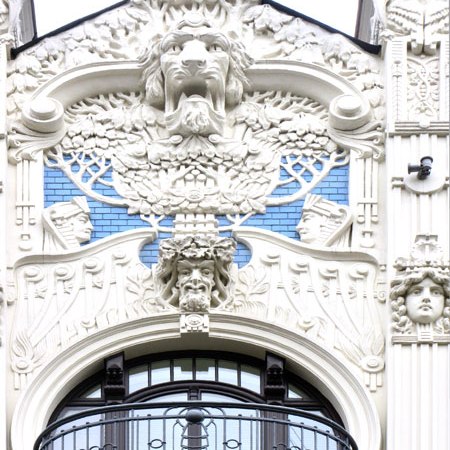
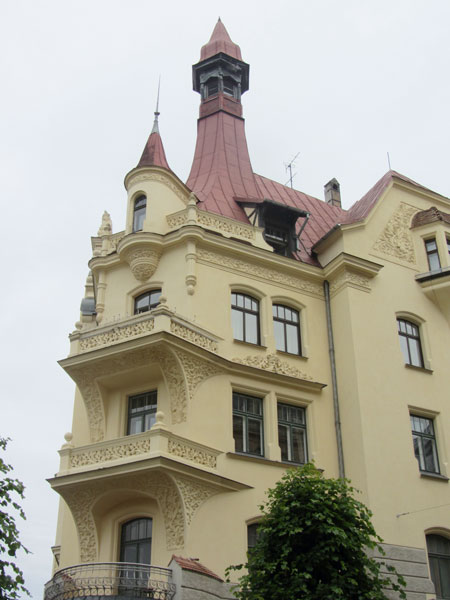
Rīga is one of the few European cities where Art Nouveau architecture, art and design objects have survived in great numbers. Architecturally, the neighborhoods just outside of the old town become more cohesive as Art Nouveau becomes the dominant style of buildings, from small decorative touches to whole facades awash with the Jūgendstils vision.
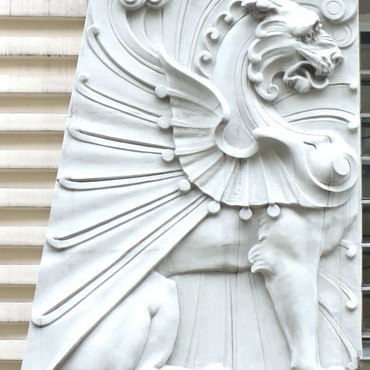
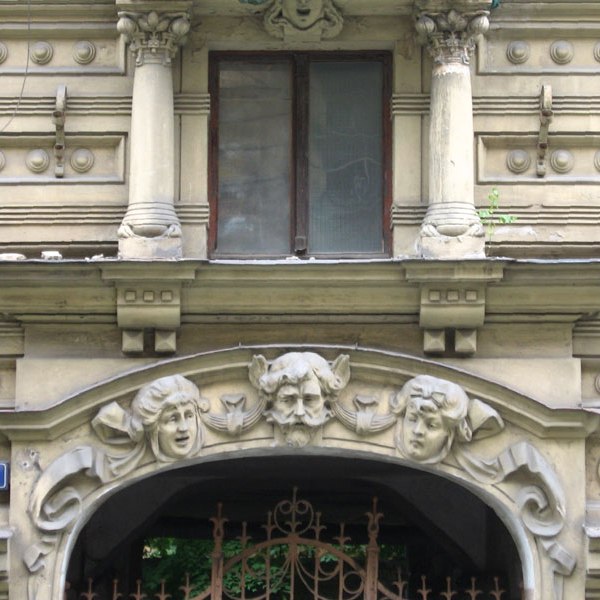
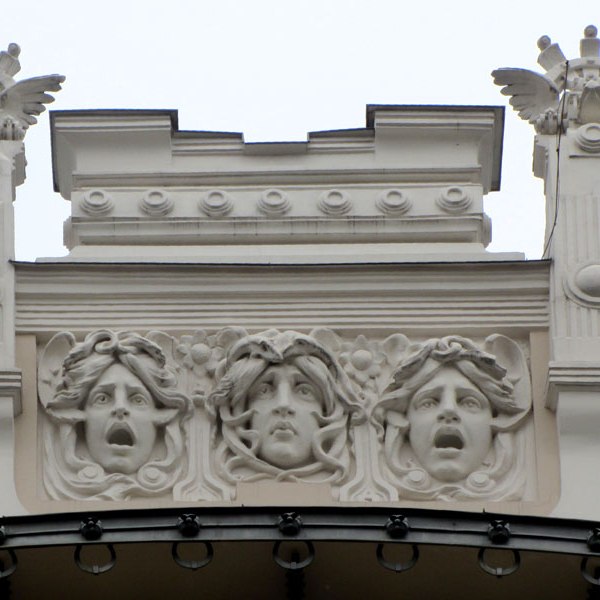
Riga Art Nouveau Center & Museum
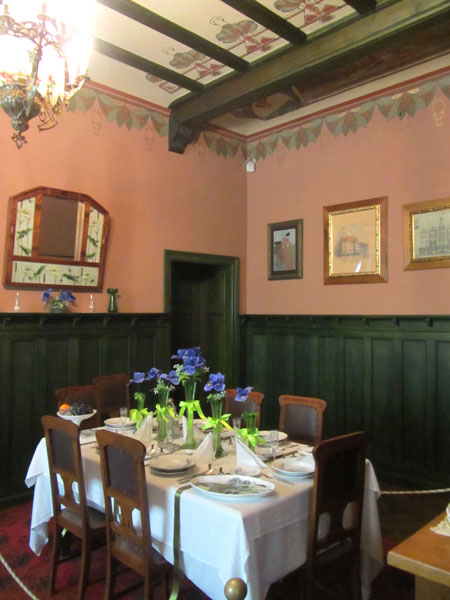
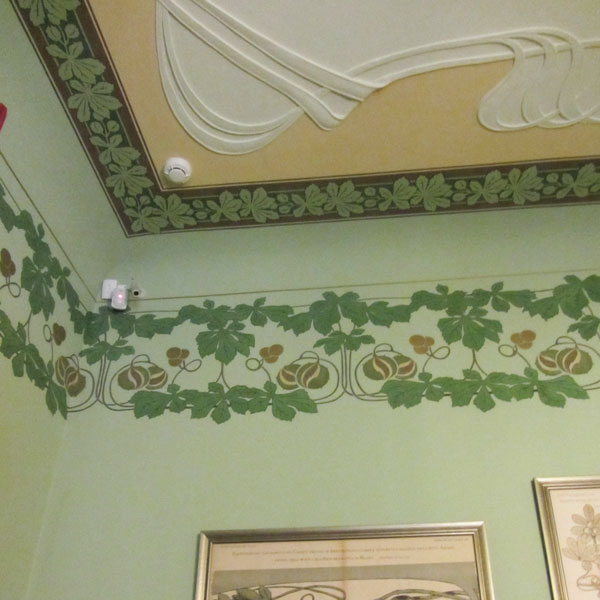
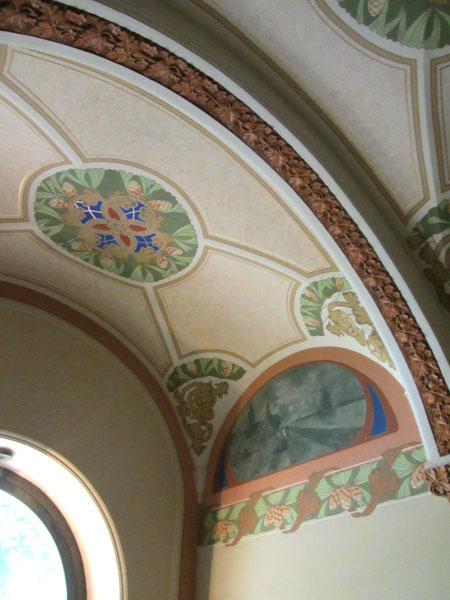
We visited this museum set up in an historic apartment. The museum collection consists of Latvian Art Nouveau objects from the early 20th century. It includes furniture, items of interior design and applied arts, clothing and accessories, works of art, household items, photographs, documents, and printed materials…plus memorabilia related to the life and work of the building’s architect, Konstantīns Pēkšēns. Each room featured appropriate period furnishings and decor that really captured the whole Jūgendstils experience.
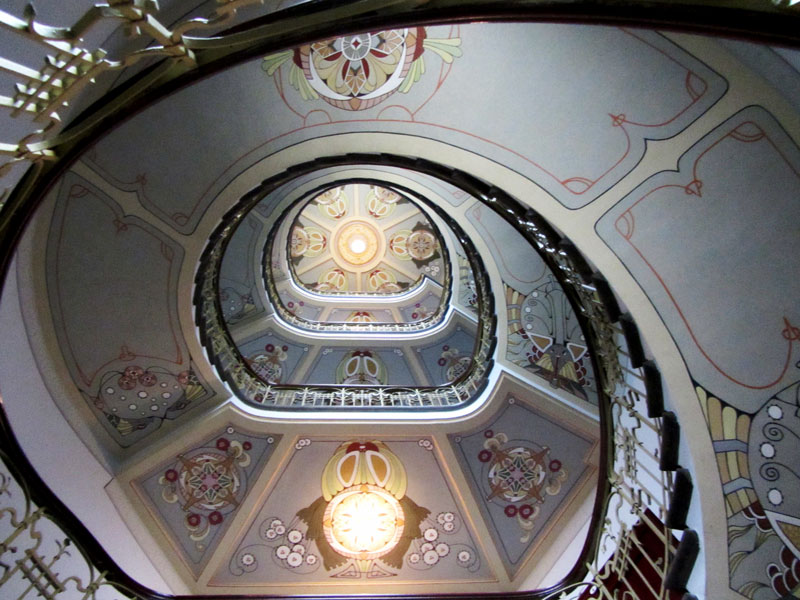
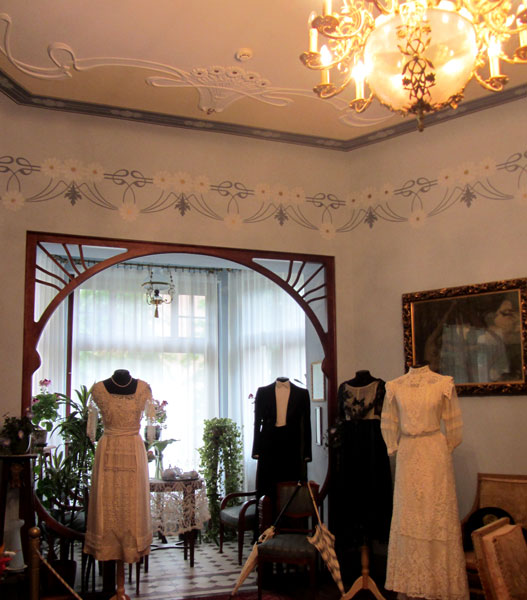
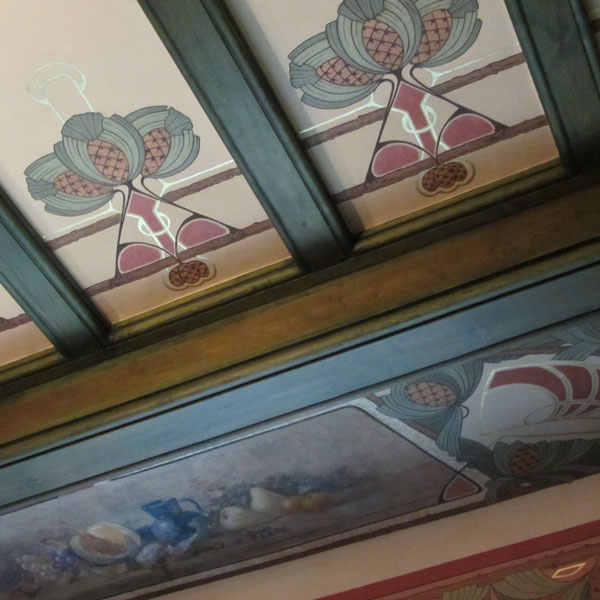
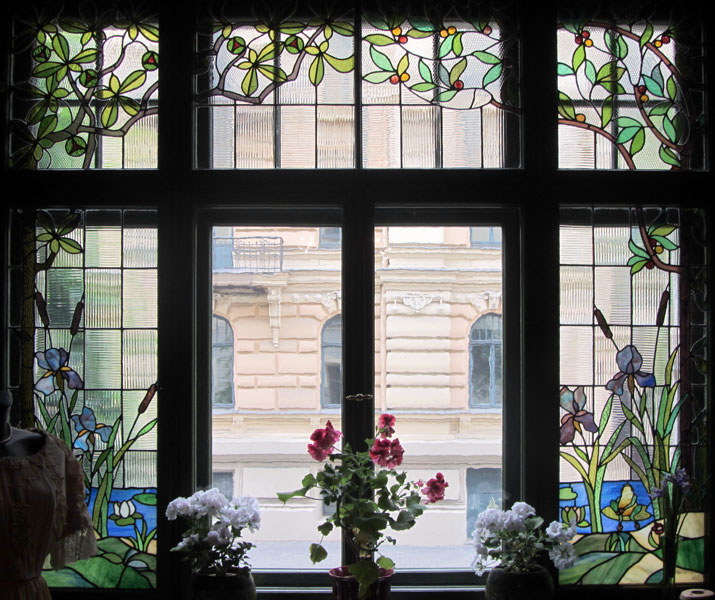
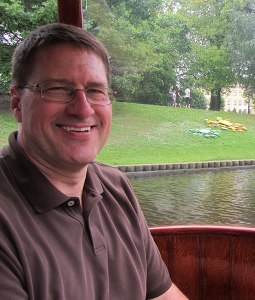
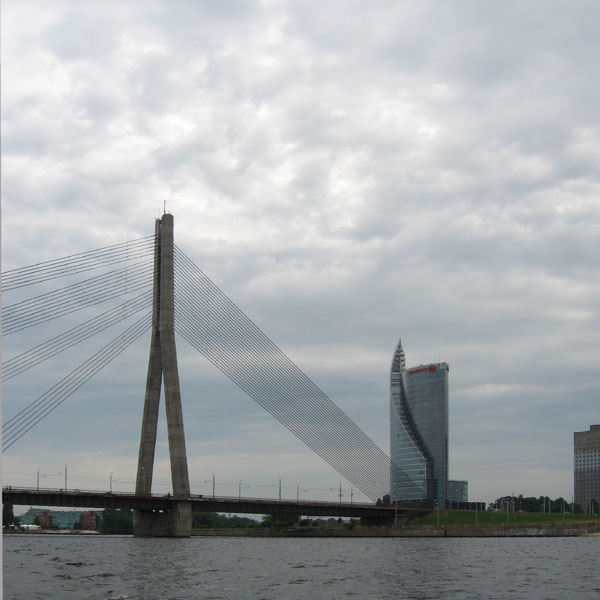
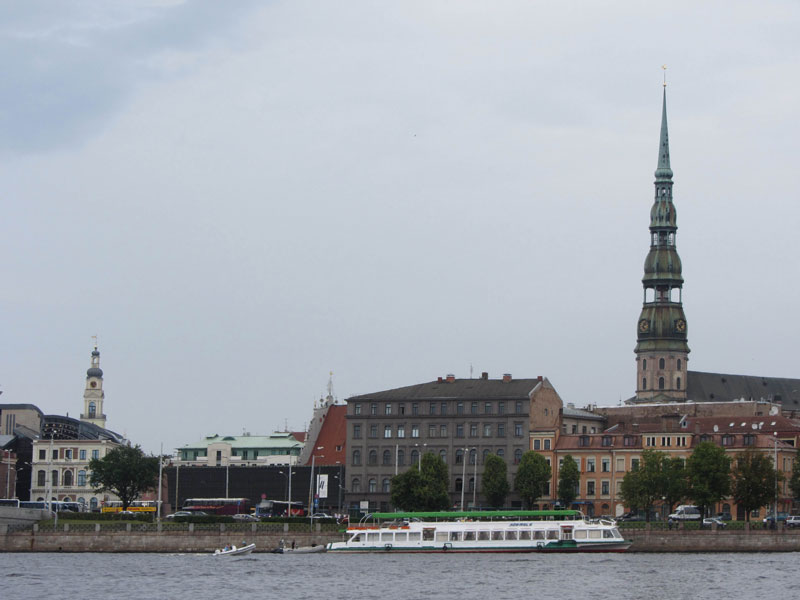
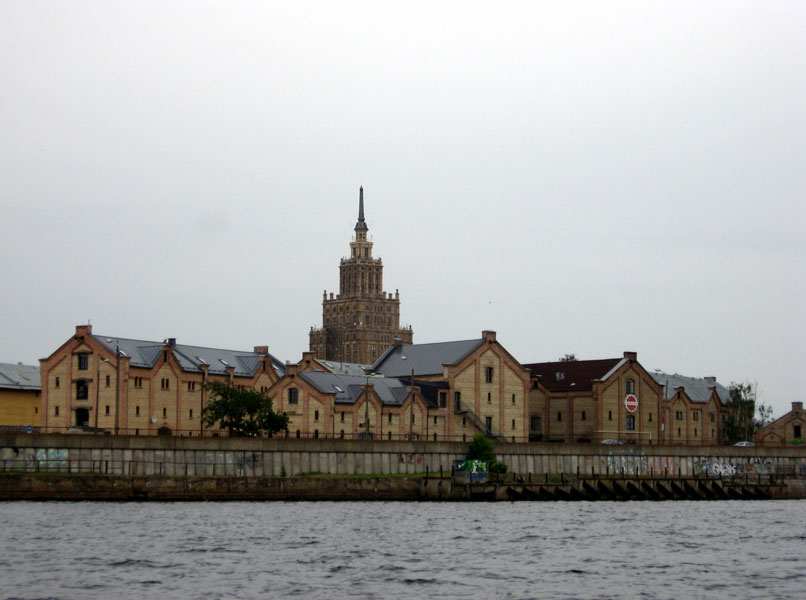
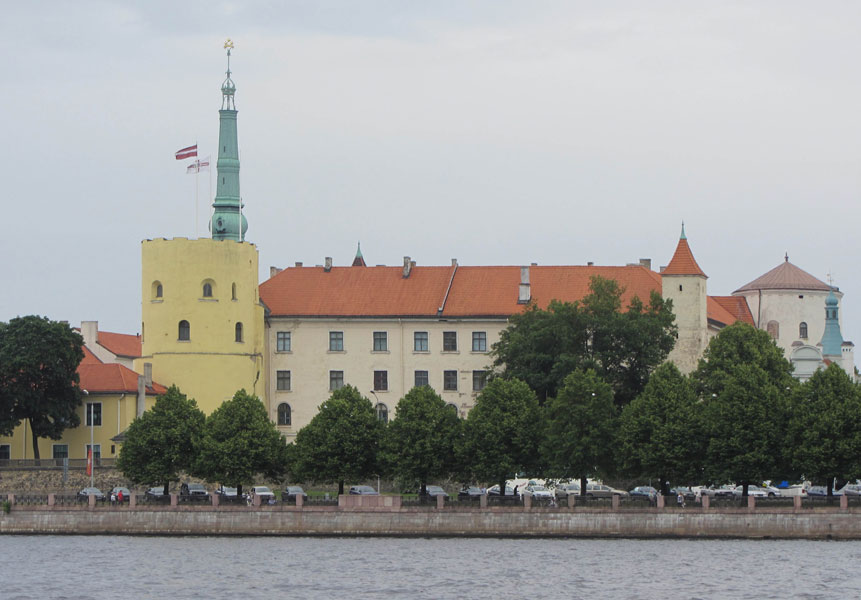
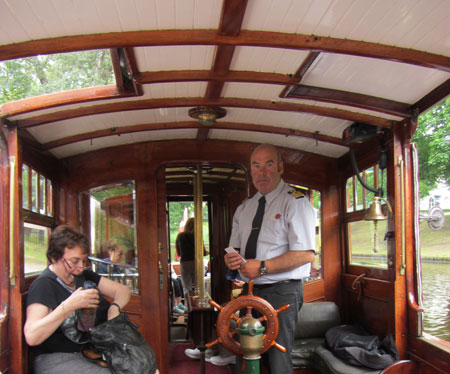
After leaving the museum, the details get a little fuzzy. But if my memory serves me, a Riga canal ride was NOT on the agenda. However, as we were getting ready to return to the hotel, some of our group, having seen the boats taking sightseers along the park’s canal earlier, asked if that was an option for any interested members of our group. The suggestion was roundly seconded and nearly all of us boarded one of the boats for a roundtrip sail that started in the park, sailed on the canal as it exited into the river and then returned to the canal from the other end to sail back to the dock.
Food
Morning, noon and night.
Breakfast, as usual, was eaten at the hotel before we departed for our day of exploration. This was the only meal today that we did not have in the old town.
Writing this 11 years later, I’m not sure why…but we took a mid-morning pastry break in Cathedral Square. Here is the photographic evidence.
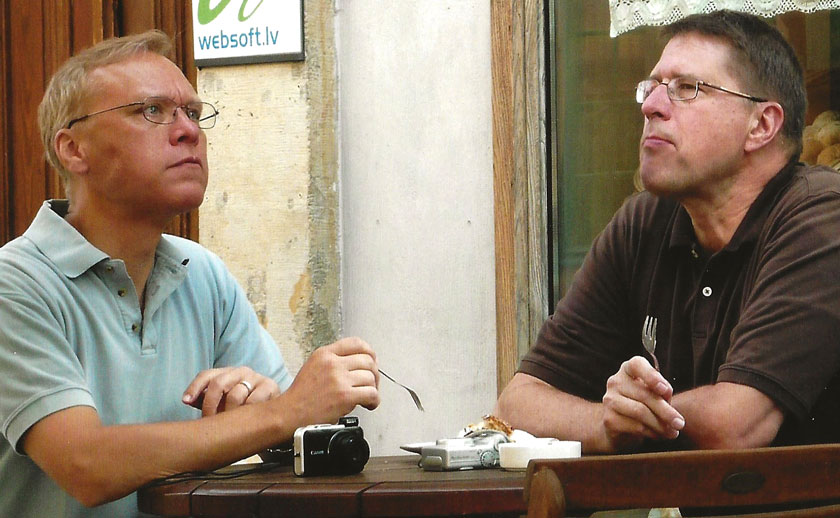
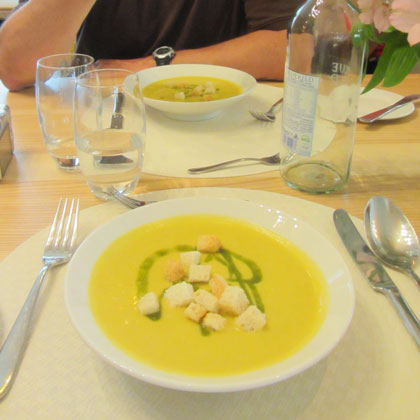
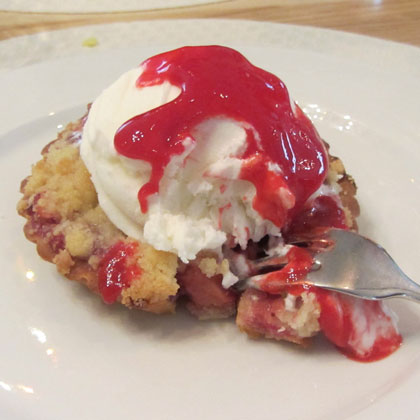
Midday, we had a planned sit-down group lunch, still in the Old Town. (See the neon yellow soup and red-slimed dessert below).
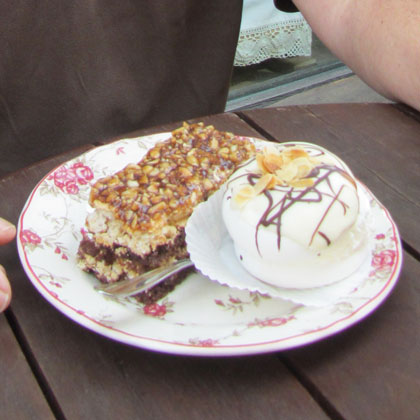
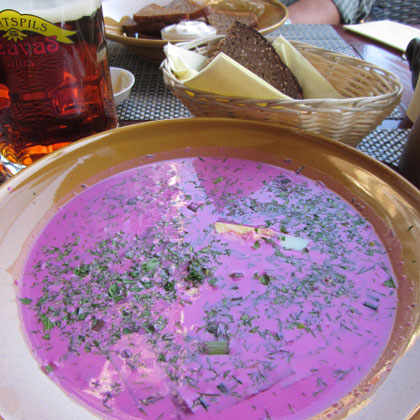
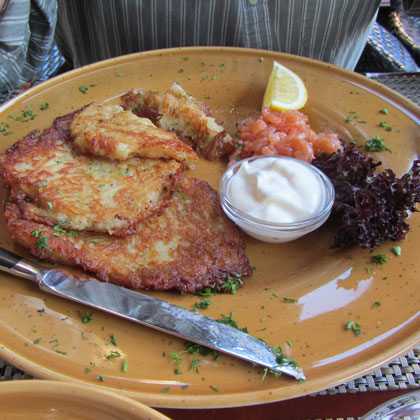
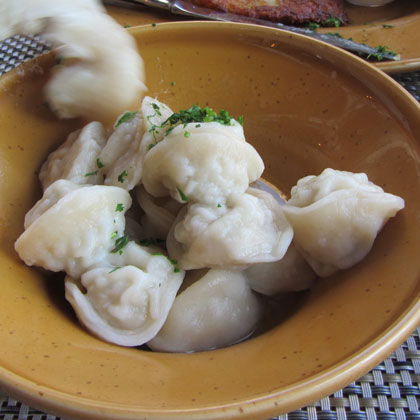
Since dinner was on our own, we patronized a local cafe called Province (Guess where?) that specialized in Latvian cuisine (Latviešu virtuve). We dined al fresco in an intimate outdoor patio cordoned off with potted flowers and shrubbery.
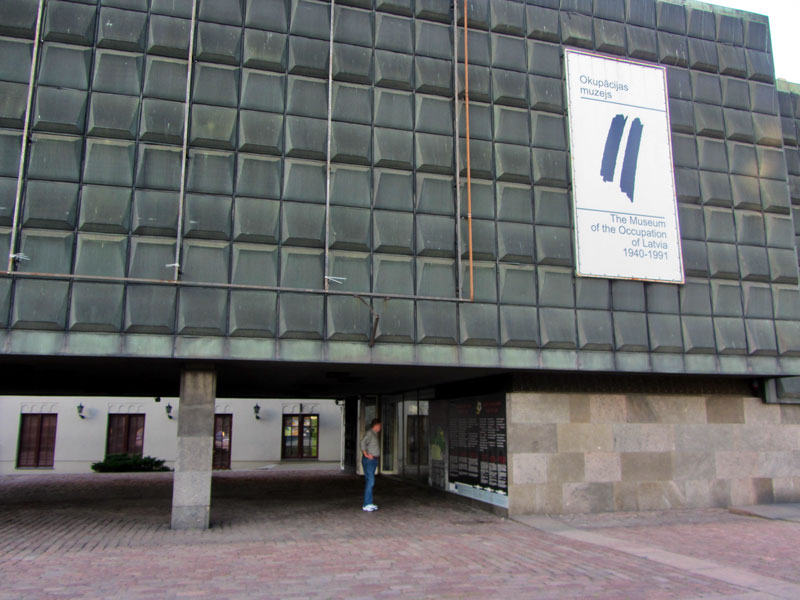
To whet our appetite before dinner (and before it closed), we toured the Museum of the Occupation of Latvia 1941-1991, a dark concrete block of a building that seemed completely out of character with the surrounding square. It was as gloomy within its walls as without due to the oppressive subject matter. There’s really no “fun” in Fifty years of occUpatioN.
Once we had finished eating, we made our way back to the hotel for a nightcap and to prepare for tomorrow’s Latvian adventure.
 Our Baltic Adventure