
Today was one of those days that re-enforced Rob’s trip nickname of this being the Occupation Vacation. Leaving Riga, we traveled to two different but related memorial sites outside the city. The first was a former work camp open during the height of Nazi occupation.
Salaspils Concentration Camp Memorial
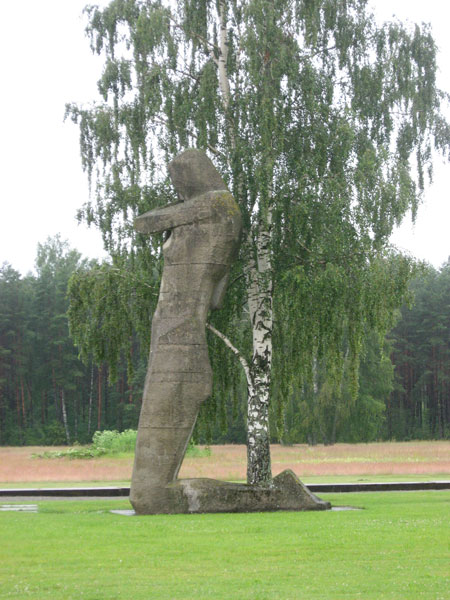
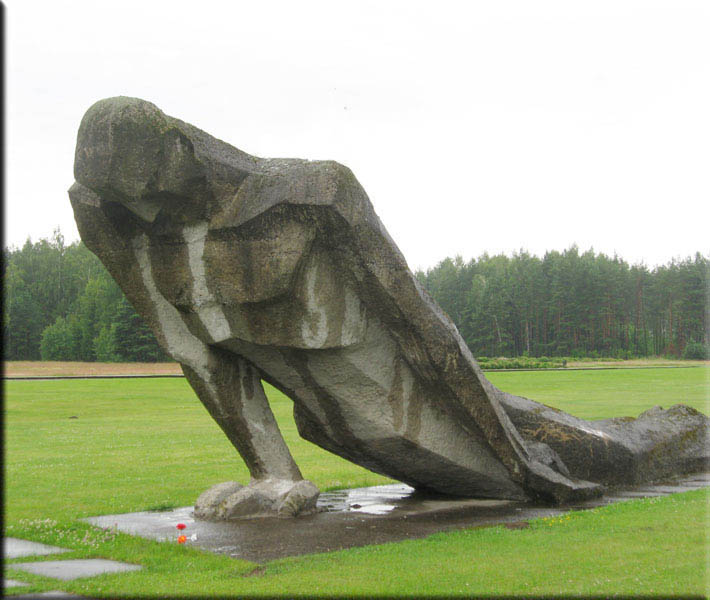
Today, Salaspils is wrapped within walls of forests, a solitary and quiet clearing but for the haunting metronome playing a faint heartbeat that can be heard throughout the grounds. The massive concrete monument that greets approaching visitors, the bridge, carries the message “Behind these gates, the earth is moaning” in Latvian.
Established in 1941, Salaspils served as a police prison and labor correctional camp. It was not a death camp. But that distinction didn’t keep the camp from its own share of experiments, exploitation, and death for many of those held here from 1941 to 1944.
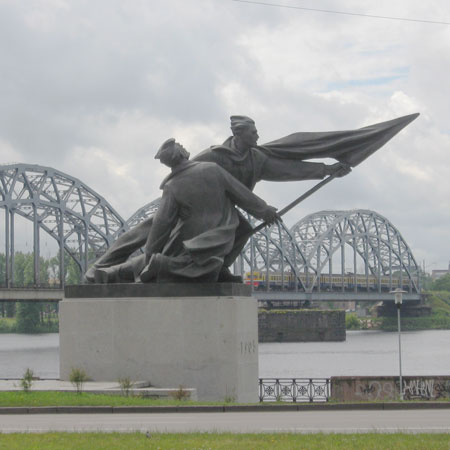
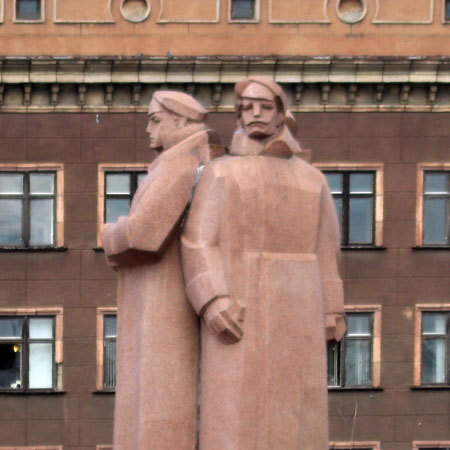
Particularly striking are the gigantic Soviet-style figures representative of life at the camp. But for me, it was the subliminal heartbeat that permeated the silence that will never be forgotten.
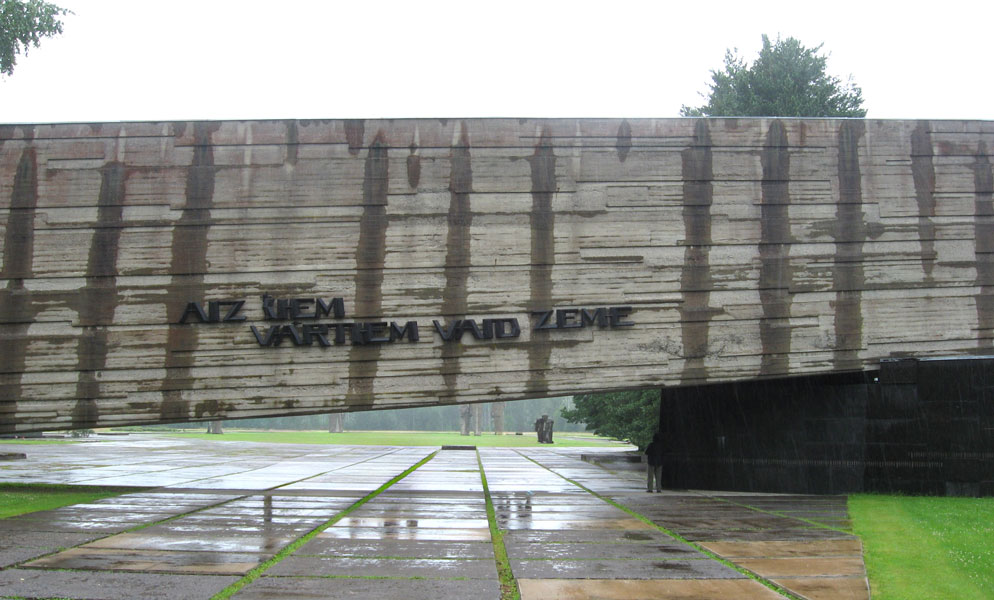
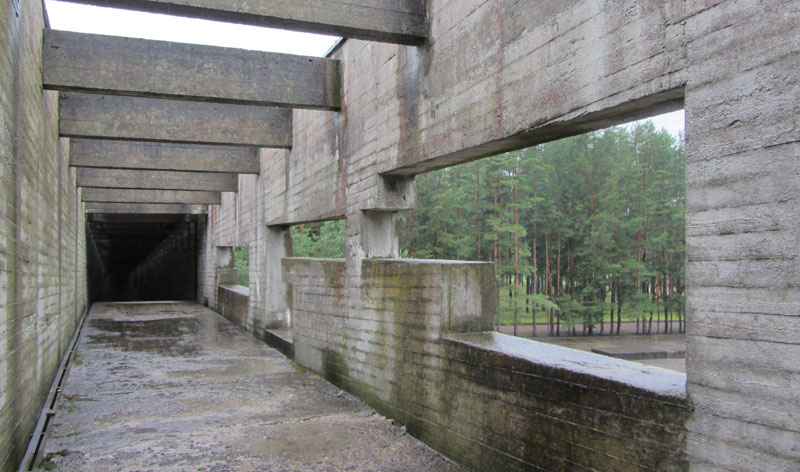
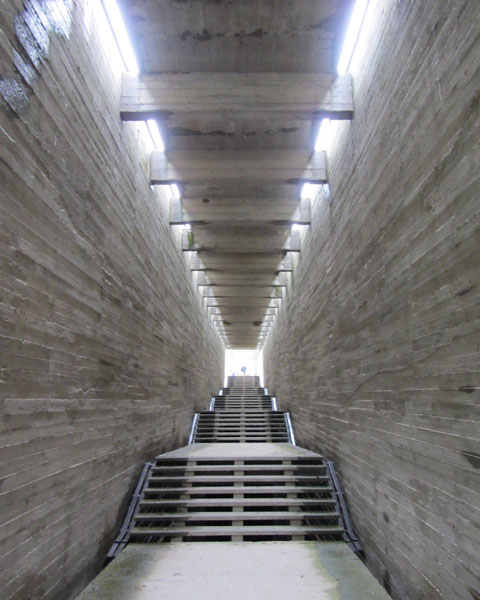
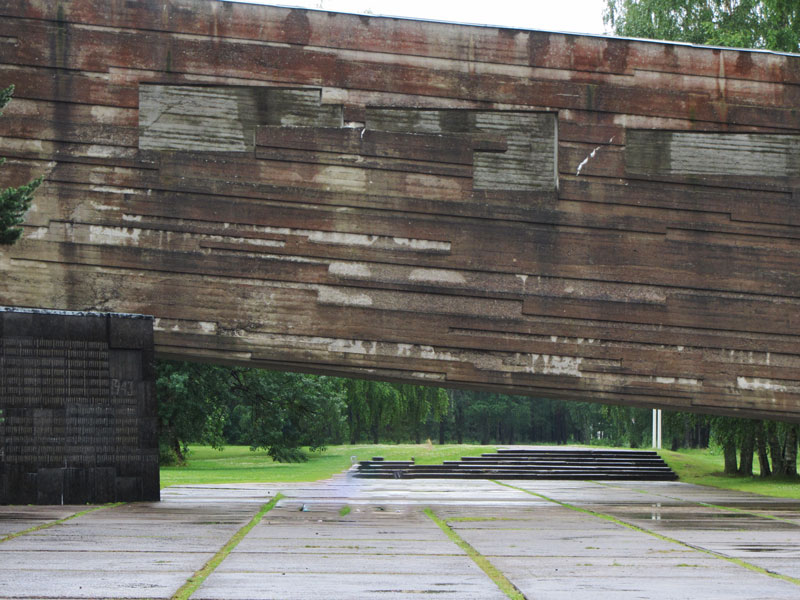
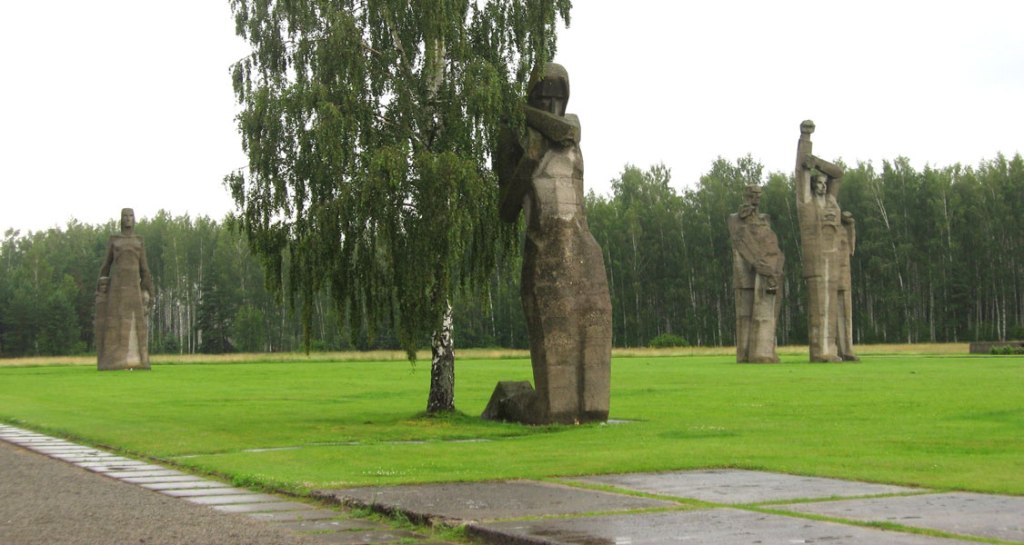
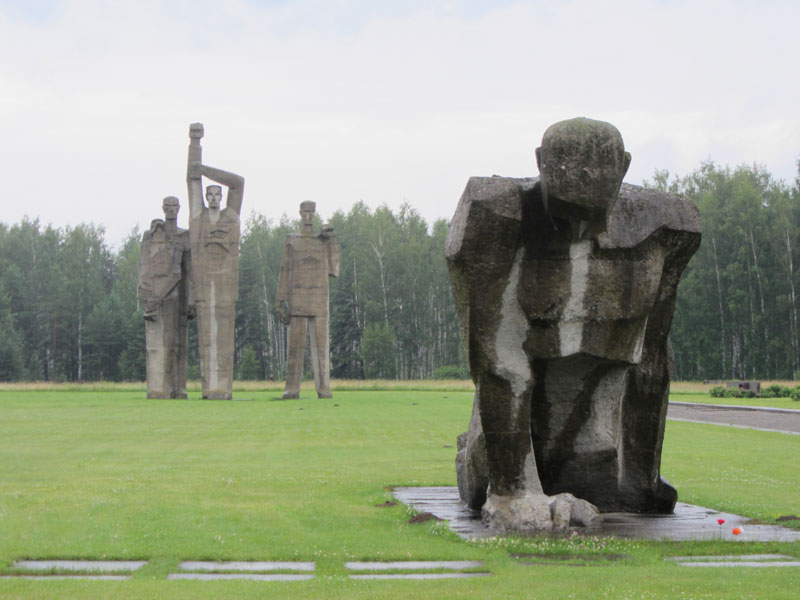
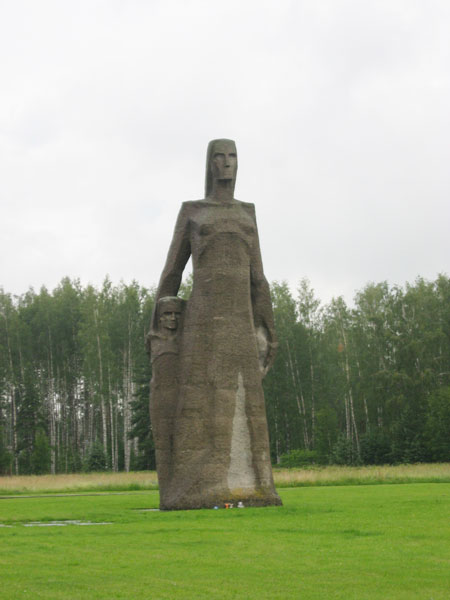
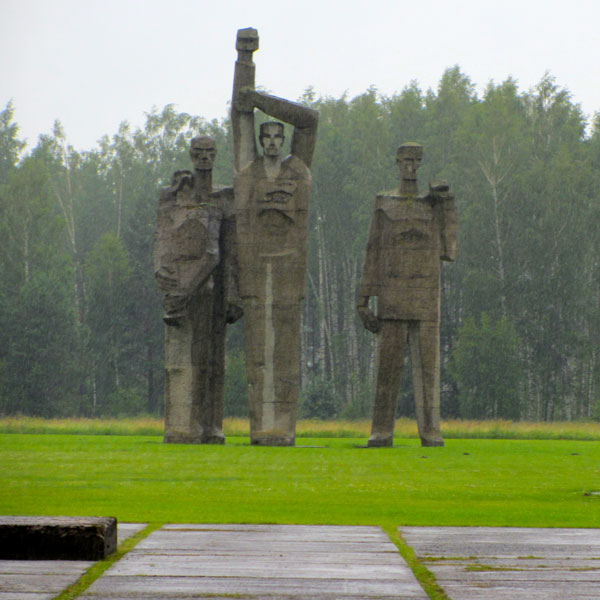
(l. to r.)
Rumbula Forest Memorial (25,000 slain Jews of Riga)
Leaving the work camp memorial behind, we next traveled to the Holocaust site of Rumbula Forest. Here, on November 30th and December 8th, 1941, 25,000 Latvian Jews, after being marched from the Riga ghetto, were systematically murdered with their bodies packed like sardines in one of three prepared murder pits.
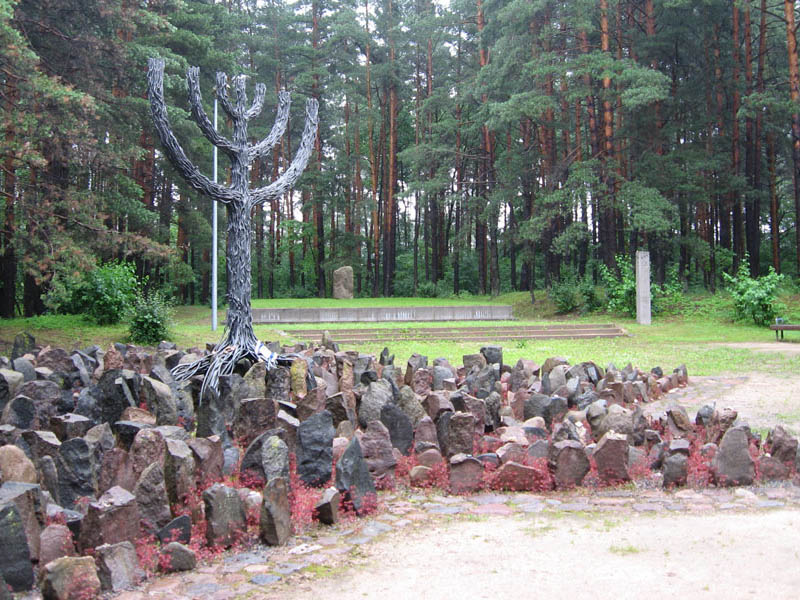
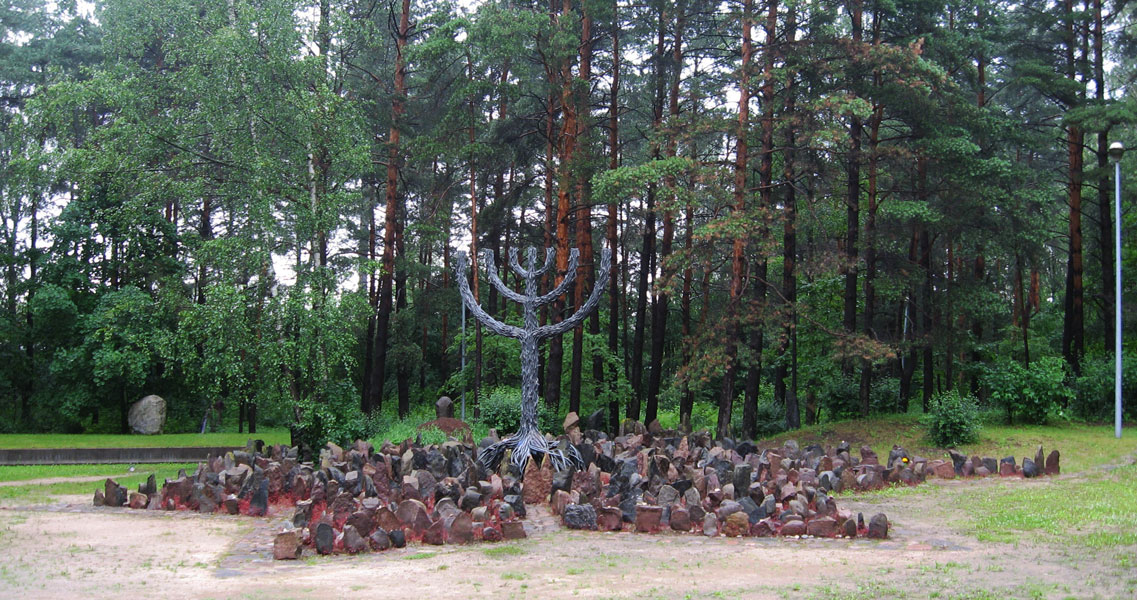
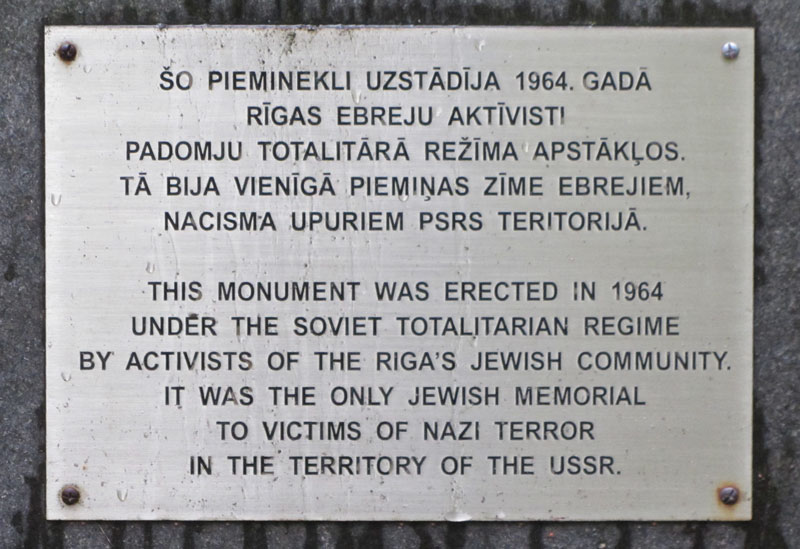
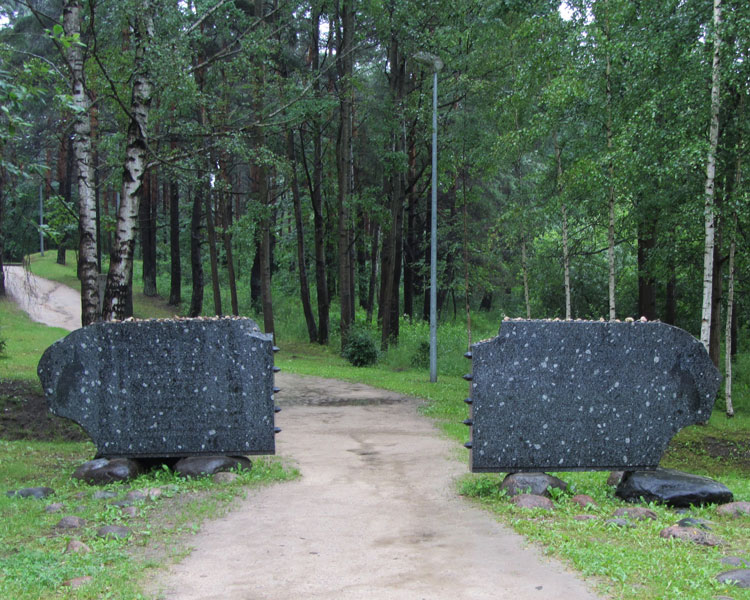
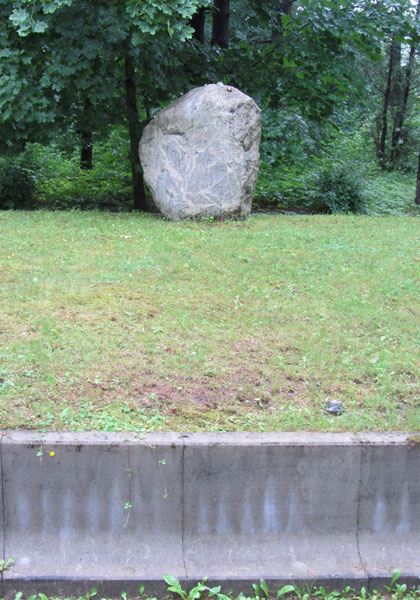
Time was allowed for reflection and prayer before we returned to the bus, quiet and somber after these two stops.
Riga Central Market
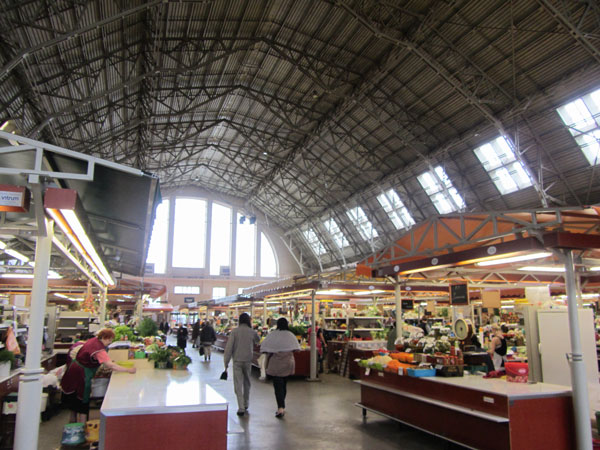
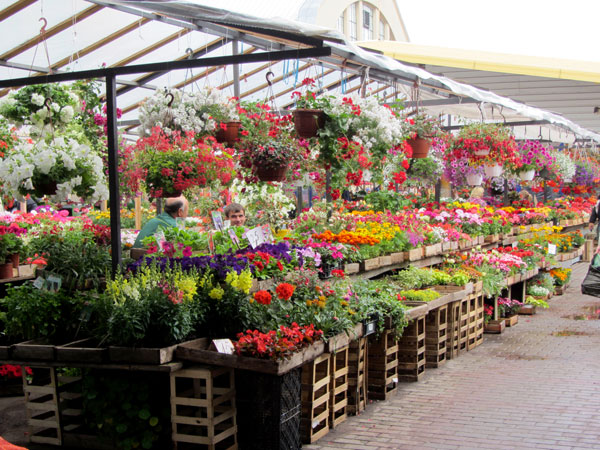
Things got a little more upbeat after the morning’s stops. We were dropped off in central Riga for another walking tour, this time focusing our attention on Riga’s huge Central Market. Started in 1924 to replace an existing crowded and unsanitary marketplace, the interconnected buildings that comprise the market and bazaar are in former German zeppelin hangers, repurposed and revitalized with Neoclassic and Art Deco touches. Opened at this location in 1930, the “new” central market continues a tradition of selling produce on the Daugava riverbank that goes back to the 1500s.
After browsing stall after stall in building after building, we ventured outside the world of food and flora to check out the river views in the surrounding area until rejoining our fellow travelers. Our group made its way back to Cathedral Square where we were given some time for lunch, be it with food purchased at the market or at a local establishment. We sought liquid refreshment.
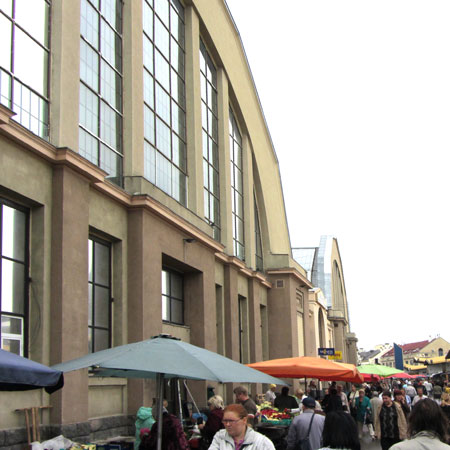
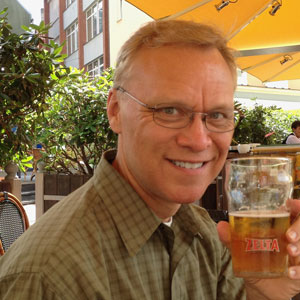
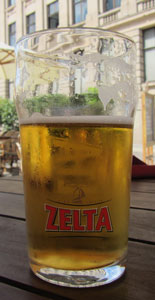
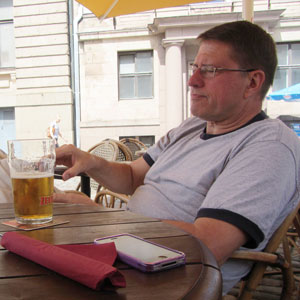
Having completed our tour of the Riga market, we paused to refresh with a pint of a local brew, Zelta.
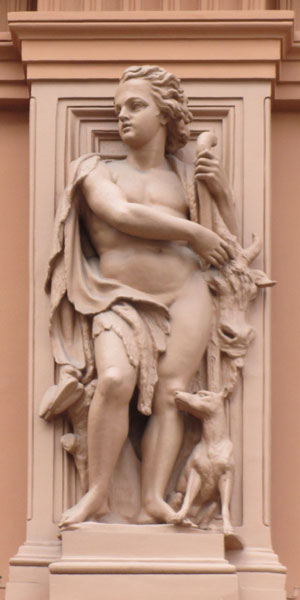
After our liquid repast, I just had to capture a bit more of the Art Nouveau detailing surrounding us in the square. Specifically: the telamons (or male caryatids) of Riga. While these guys are purely decorative here, they are reminiscent of their “sisters” on the Parthenon who function as both art and architectural support.
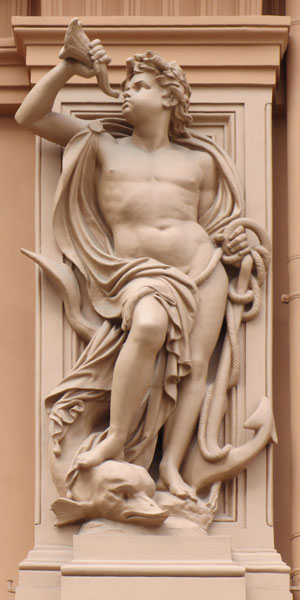
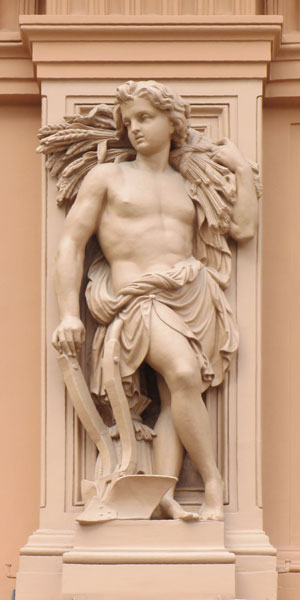
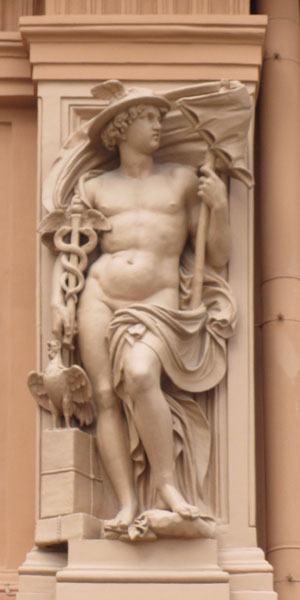
With today’s touring done, Aida had one last suggestion before we wearily made our way back to the Europa to unpack all that we had borne witness to today…as well as to actually pack for tomorrow’s departure.
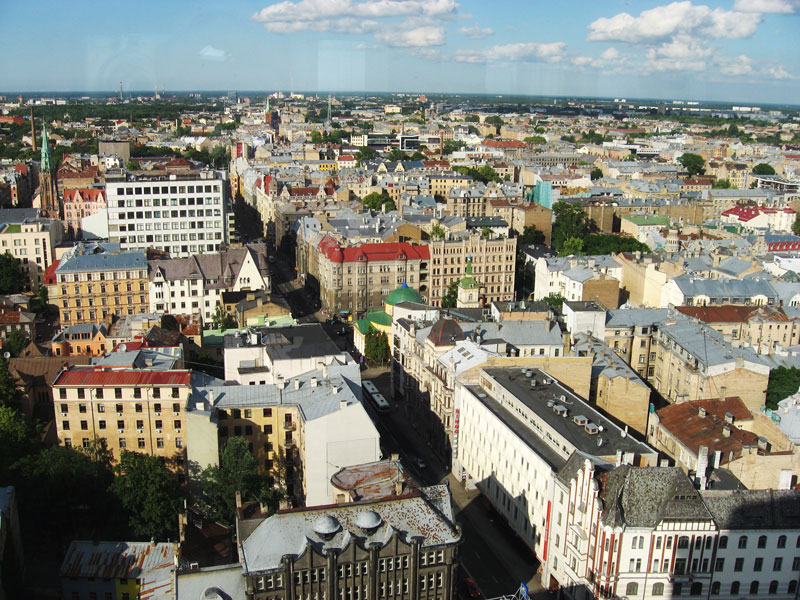
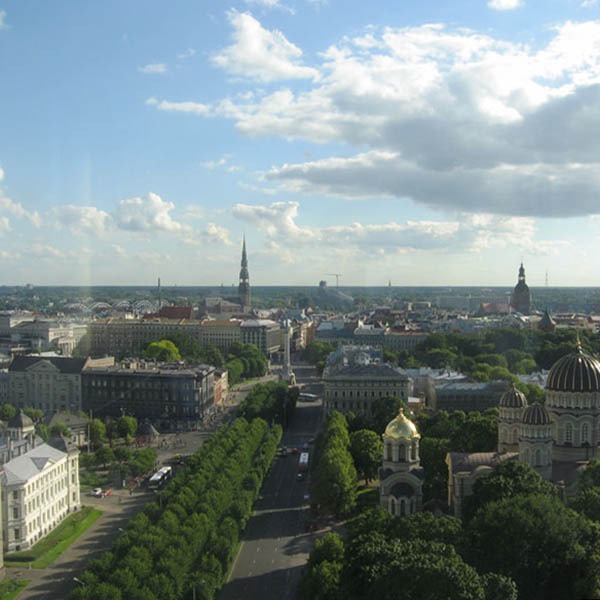
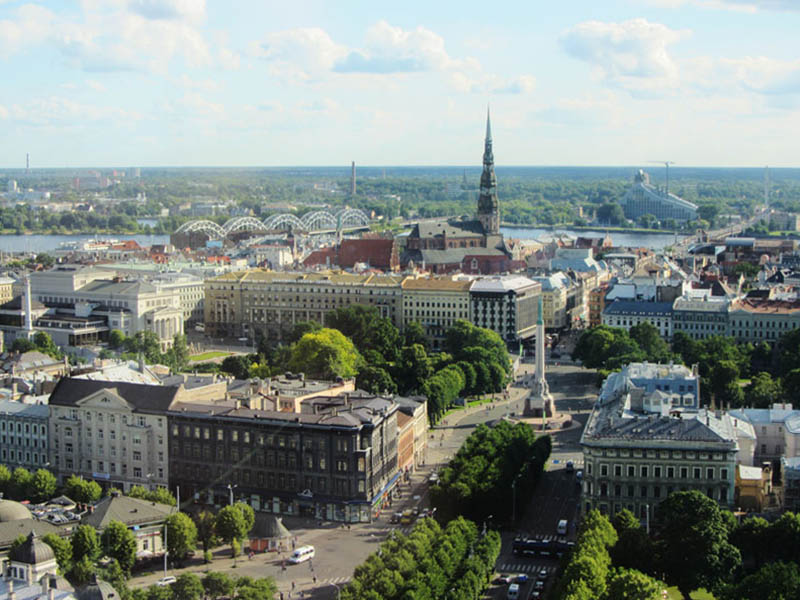
Bird’s-eye views of Riga
She took us to the 26-story Radisson Blu Latvija Hotel, which afforded us spectacular views of Riga from the glass-fronted elevator that carried us up to the panoramic windows of the Skyline Bar on the top floor. (And it was free!)
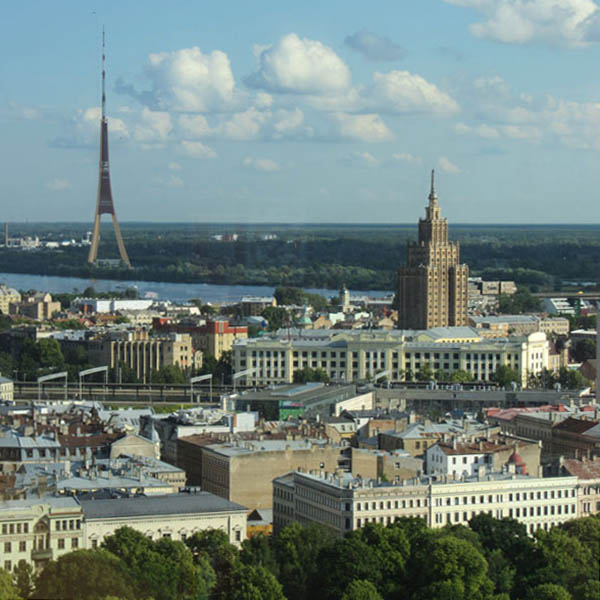
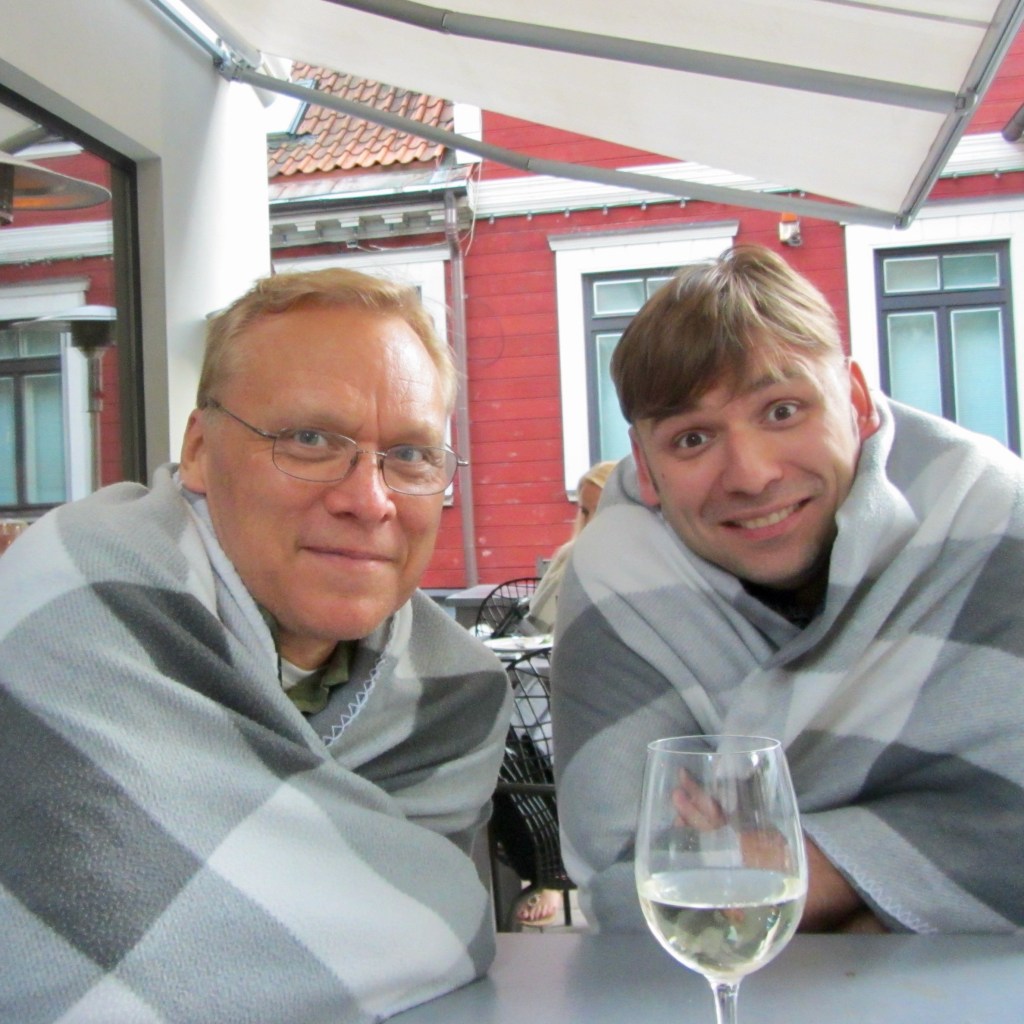
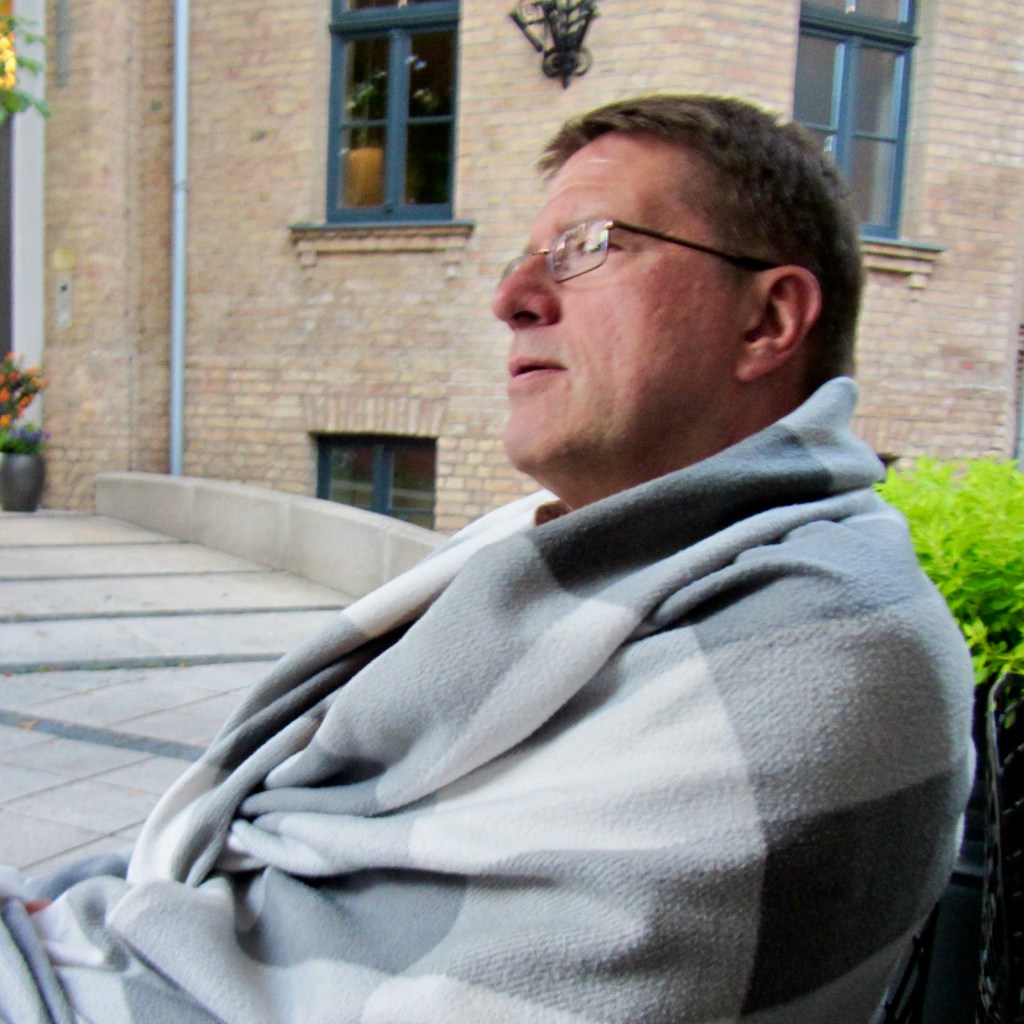
We had one last hurrah in Riga. After preparing for tomorrow, we met up with a young gay Latvian, Juris Millers, at the Garage Bar (apparently the only open gay bar on a Monday night) just a few blocks from our hotel. Drinking al fresco, the temperature began to drop rather quickly once the sun set. Lo and behold, the bar shall provide! Gray plaid blankets were passed around as the evening cooled. A nice touch.
 Our Baltic Adventure