
It’s our first full day in St. Petersburg and it was everything I expected—which was largely based on Dr. Zhivago! If only I had seen Julie Christie running for a trolley!
We started the day with a walking-and-bus tour as we made our way from the hotel to the Neva RIver. Unfortunately, the excitement of actually being there was somewhat dampened by the knowledge that much of what we see today was rebuilt after the nearly three years of siege the city formerly-known-as-Leningrad suffered during WWII, something we learned from our local Russian guide.
Despite knowing that Peter the Great’s original city is, in many ways, version 2.0, I still bought the whole imperial package. So let the pictures begin!
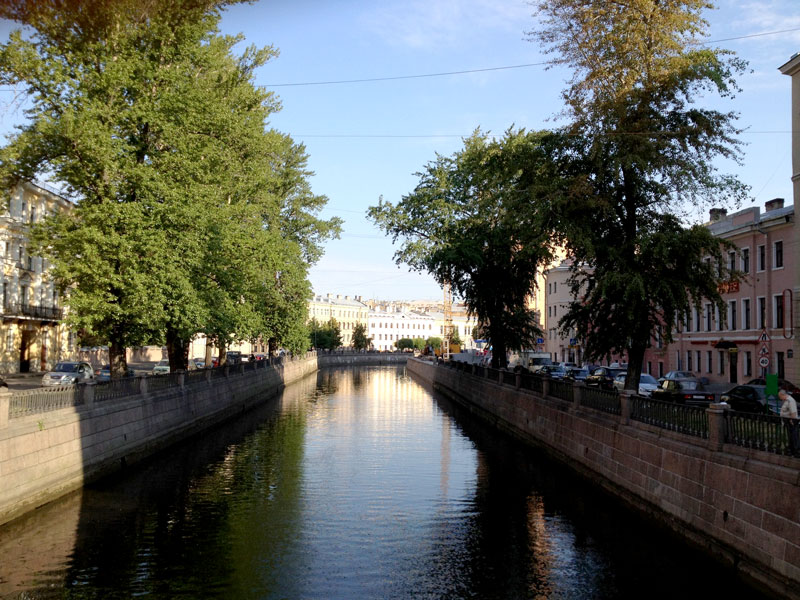
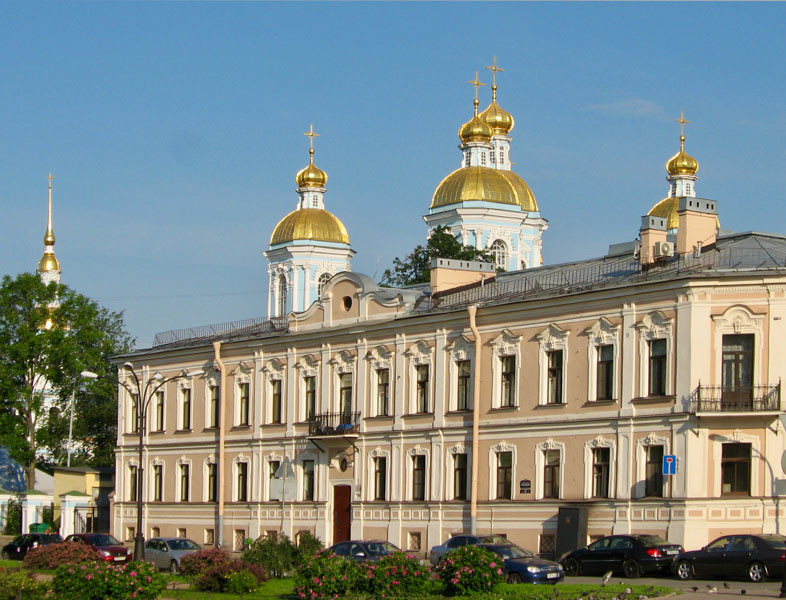
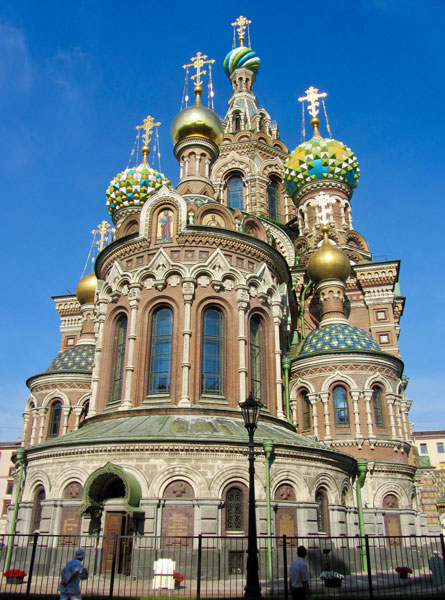
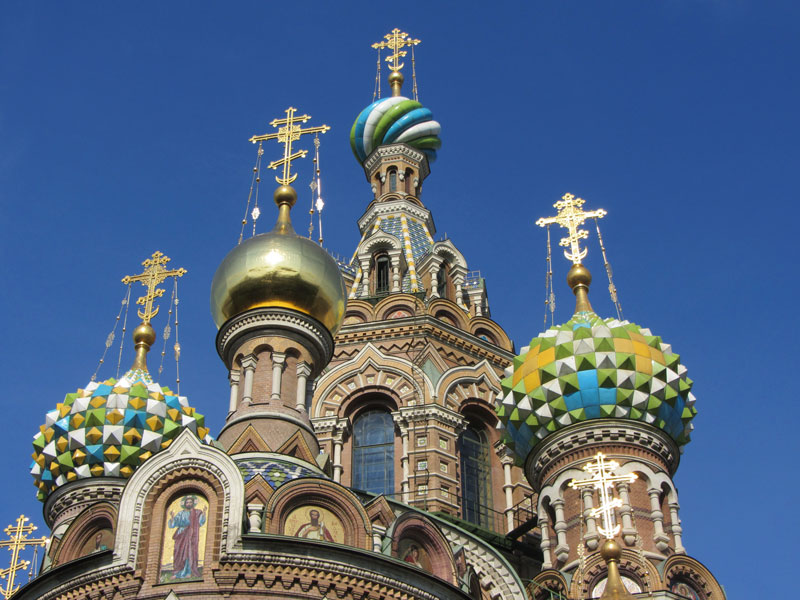
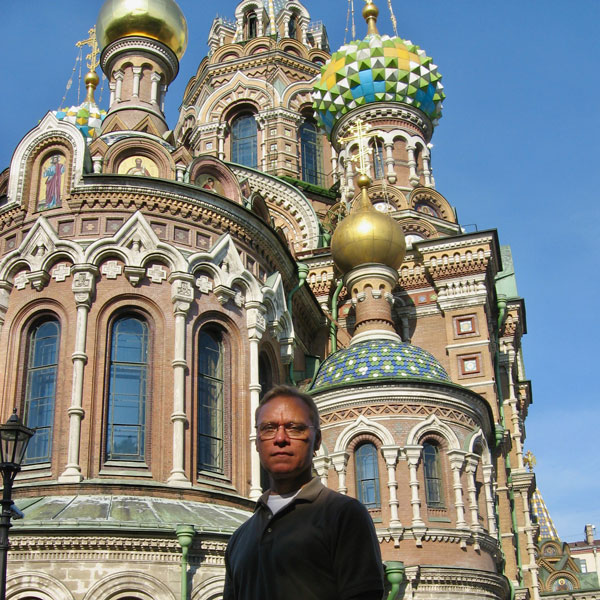
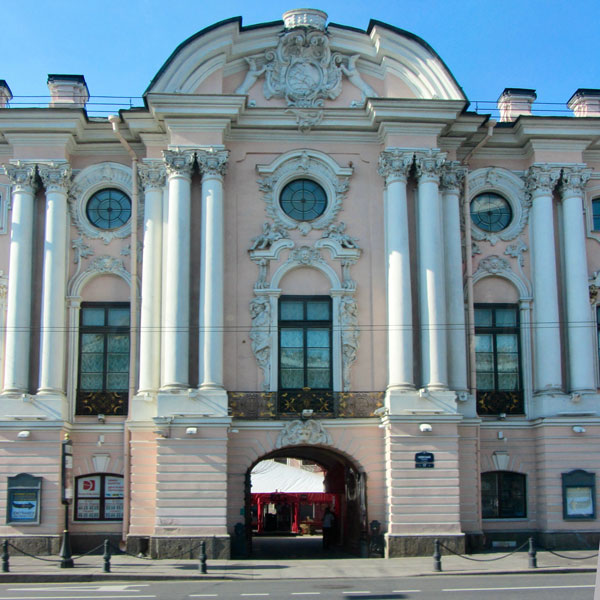
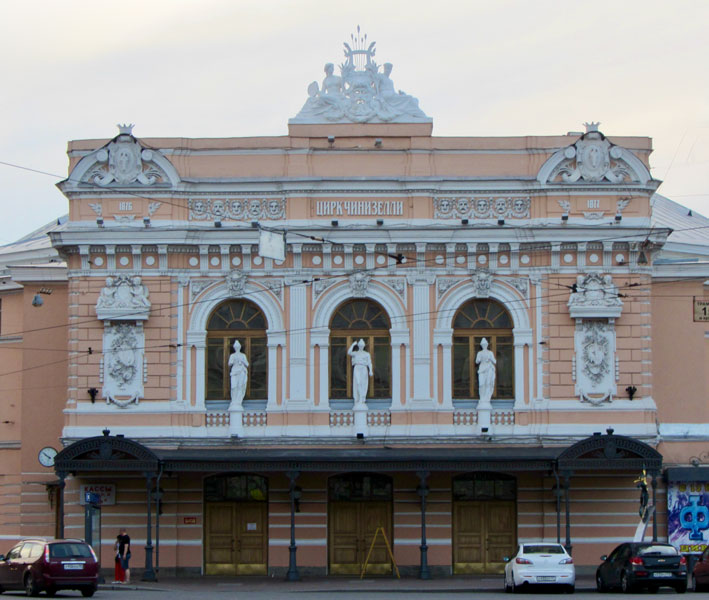
Click on the pictures for larger versions with captions
Note on the naming of churches: The cathedral with all the colorful onion domes is called the Church of the Savior on Spilled Blood. Funded by the Romanov Imperial family, it was built on the site of the 1881 assassination of Emperor Alexander II, i.e. the “spilled blood.”
We are transported across the Neva River and dropped off at the University Embankment
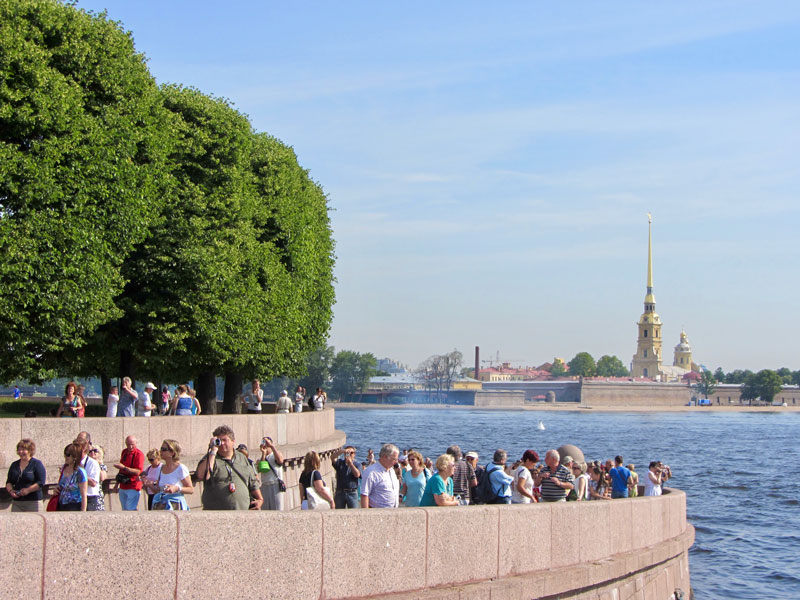
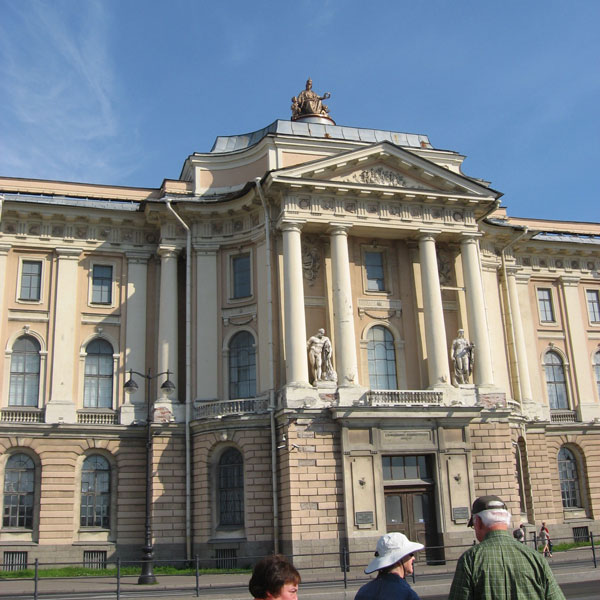
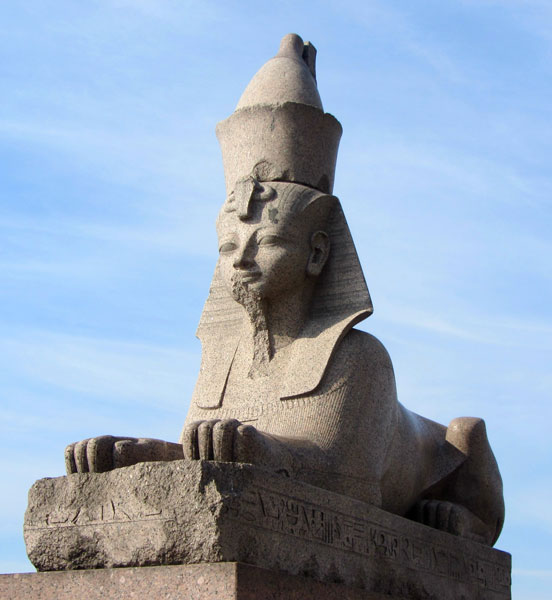
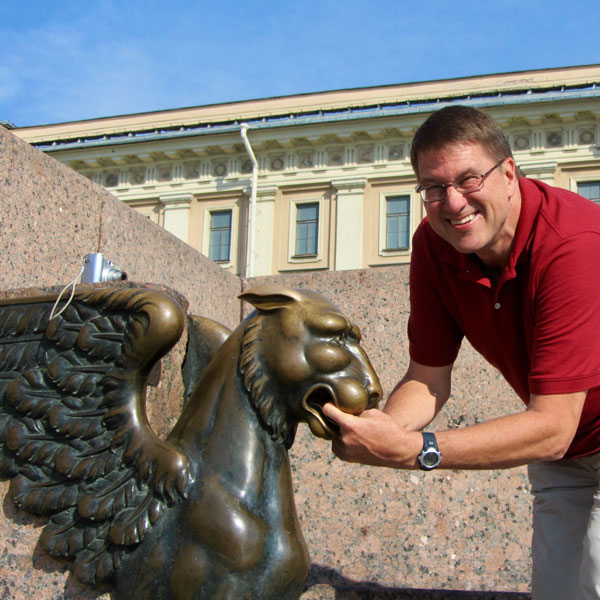
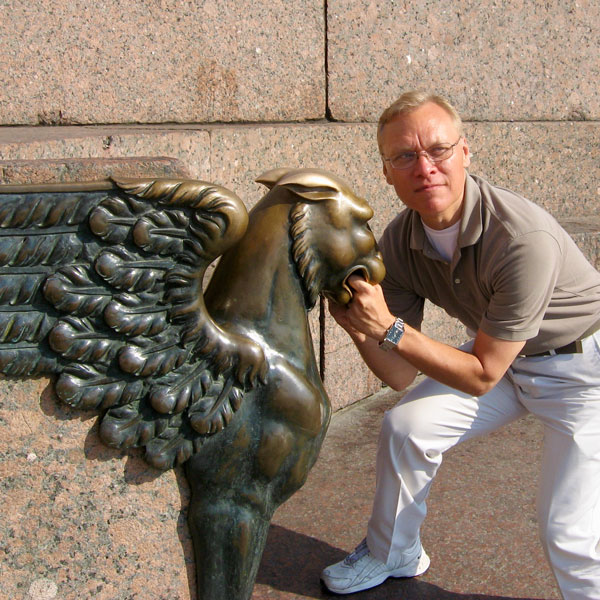
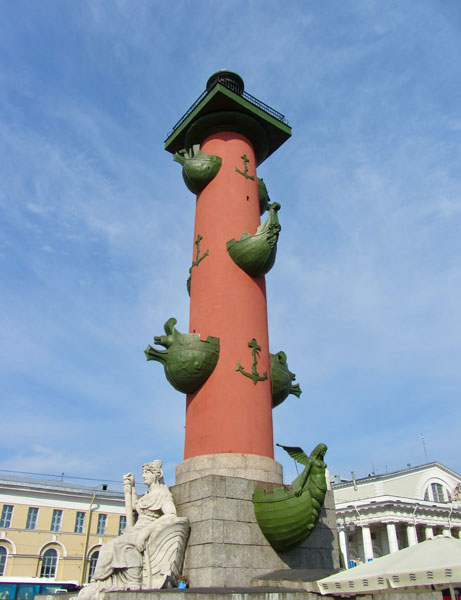
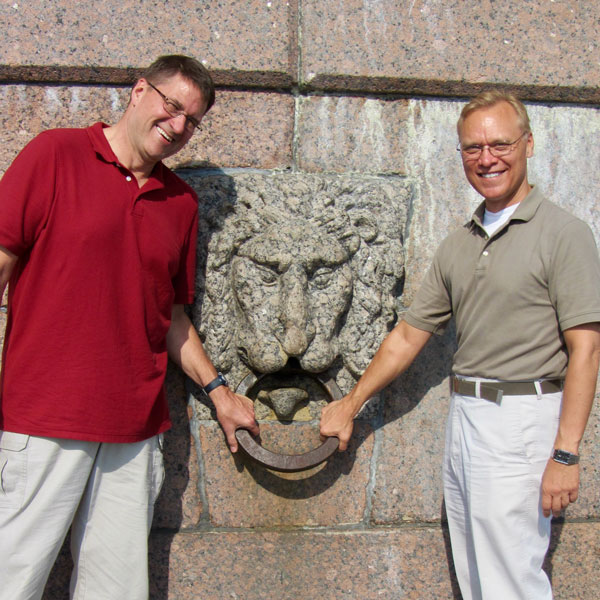
While we were posing with brass and stone critters, there was a live bear on a lower level performing for a crowd of bystanders. Still, it seemed a little cruel, what with the bear ostensibly dancing on the end of a chain for people’s amusement.
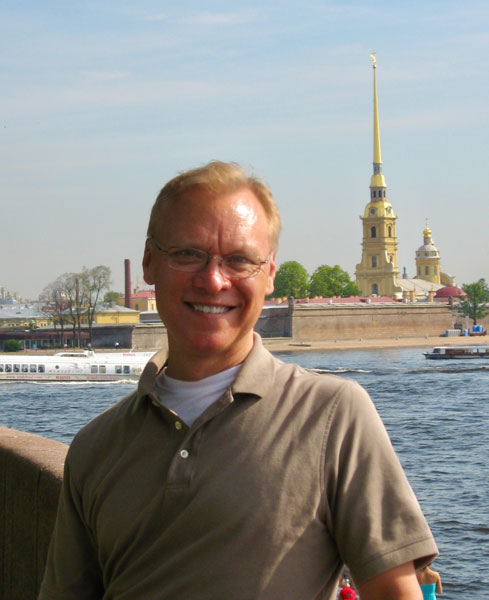
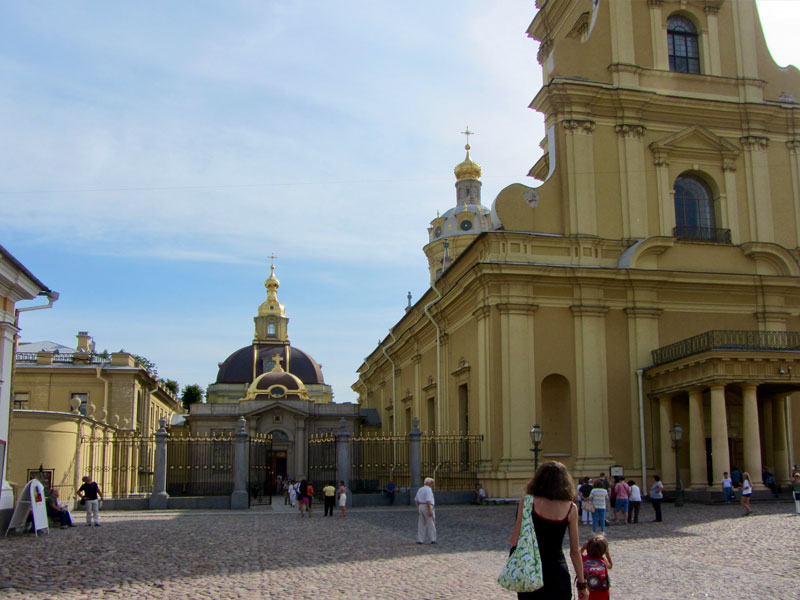
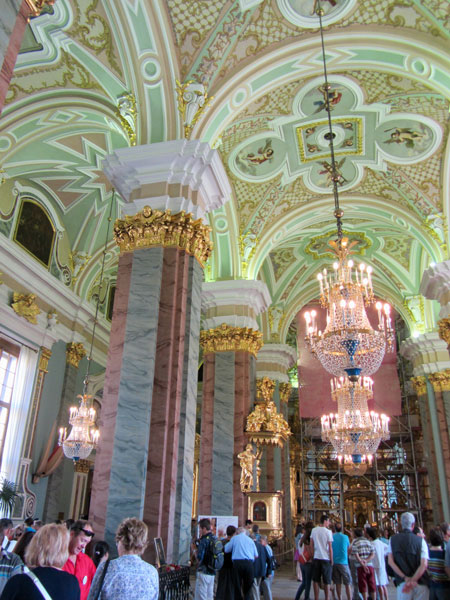
After messing around on the embankments, we crossed over to the Peter and Paul Fortress island, site of Sts. Peter and Paul Cathedral. The church contains the imperial tombs of all but two Russian emperors and empresses since Peter I.
Peter and Paul Fortress
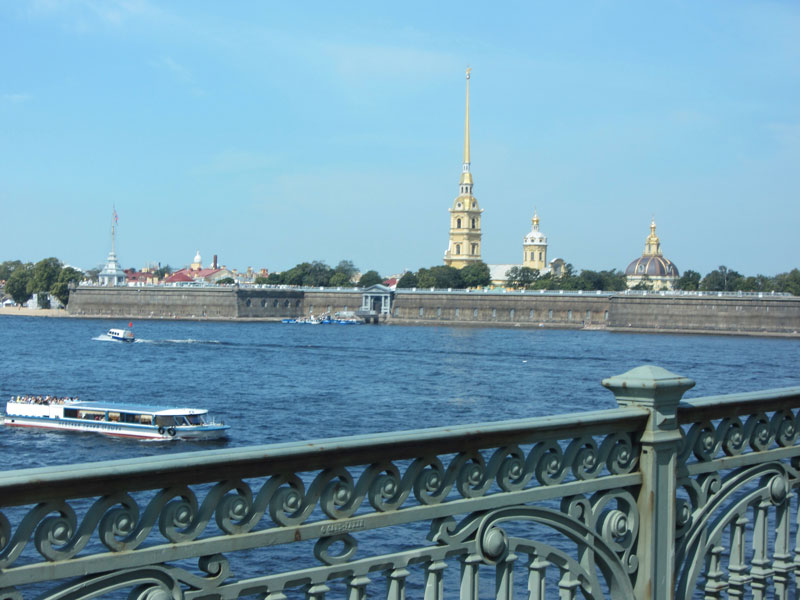
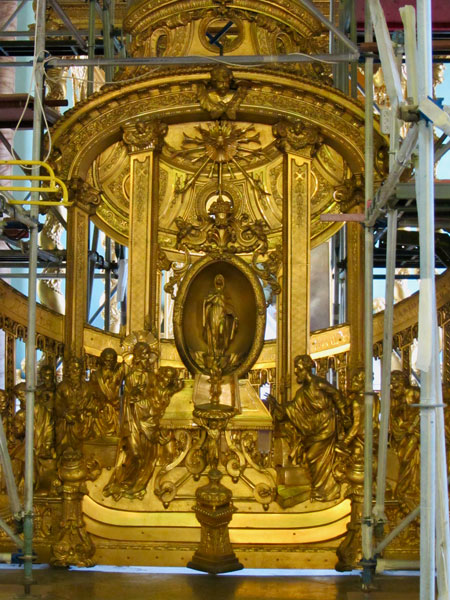
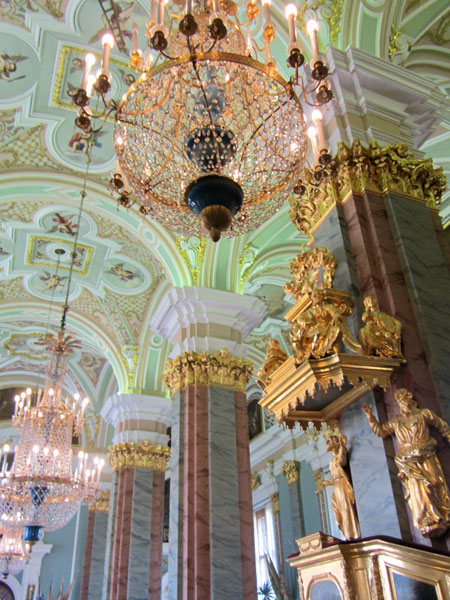
Sts. Peter and Paul Cathedral
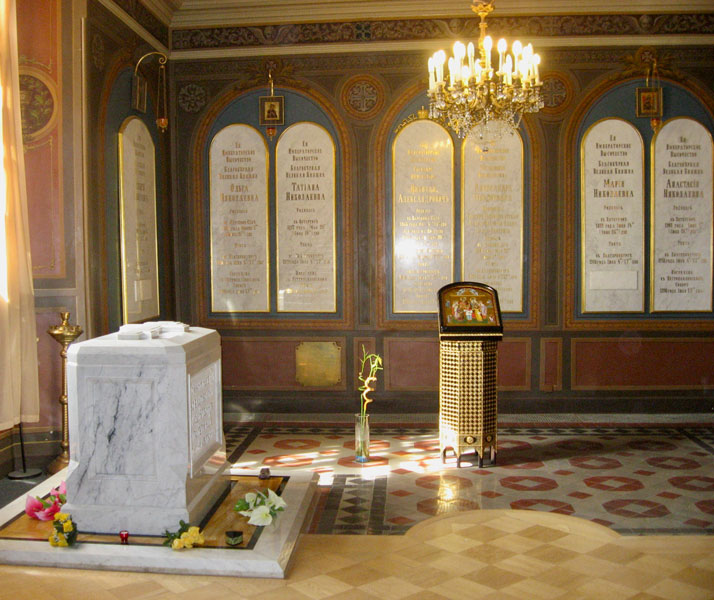
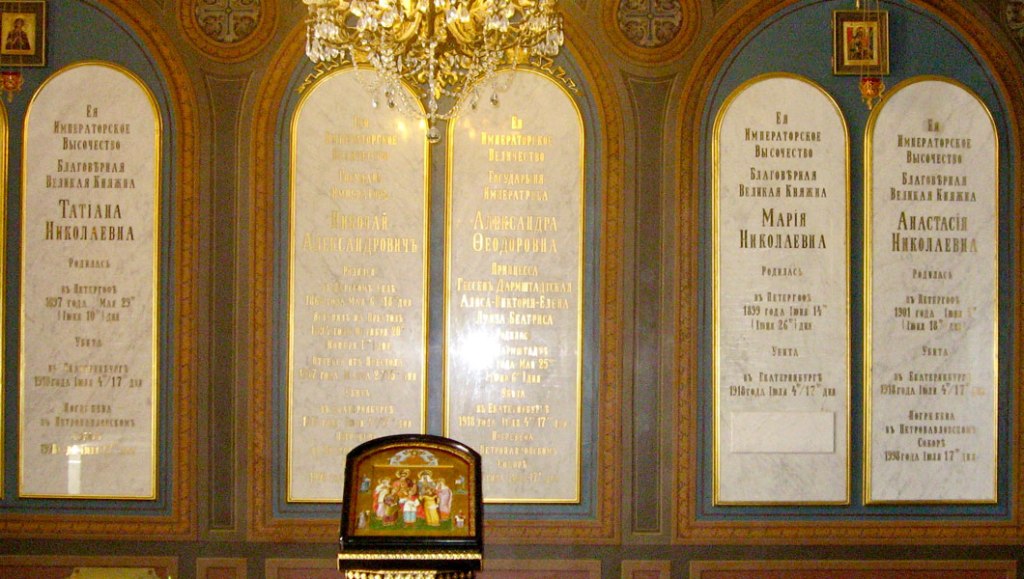
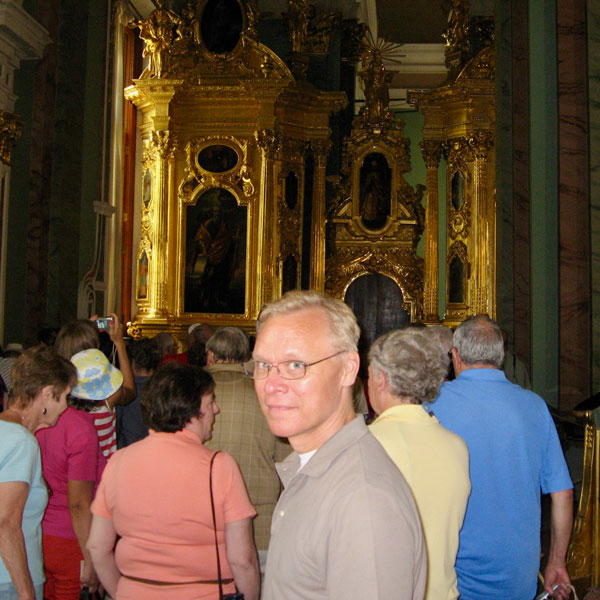
Sts. Peter & Paul Cathedral is the first and oldest landmark in St. Petersburg, built between 1712 and 1733. The bell tower with its signature gold spire is the world’s tallest on an Orthodox church. The cathedral was crowded with the crypts of nearly all of Russia’s former rulers from Peter the Great to Nicholas II.
Seeing the segregated burial chapel of Czar Nicholas II and his family was an emotional highlight for me. I’ve had an interest in the Romanov family history for some time. But I’ve been particularly fascinated with the whole Anastasia oeuvre since watching a Hallmark Hall of Fame special in 1967 staring Julie Harris as the pretender princess. For years, I secretly hoped that the czar’s youngest daughter had indeed survived the family’s assassination.
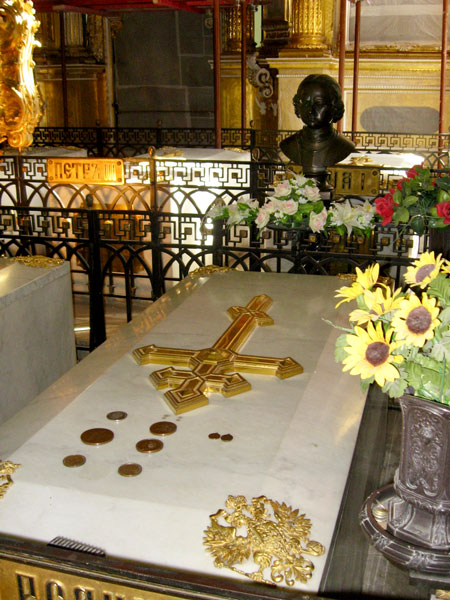
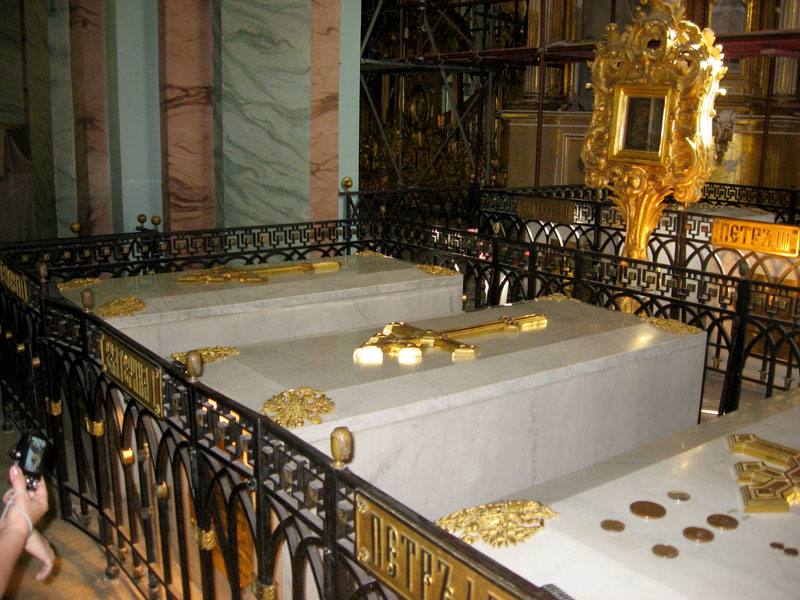
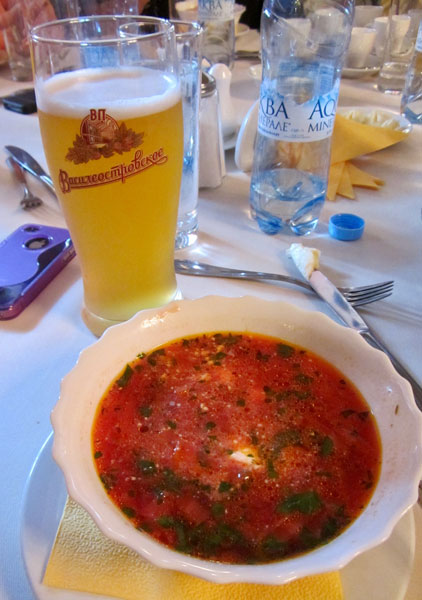
The bus picked us up off the island and transported us to a restaurant located close to the Hermitage.
There’s nothing like appreciating art on a full stomach.
We then walked en masse to the museum…for “dessert.”
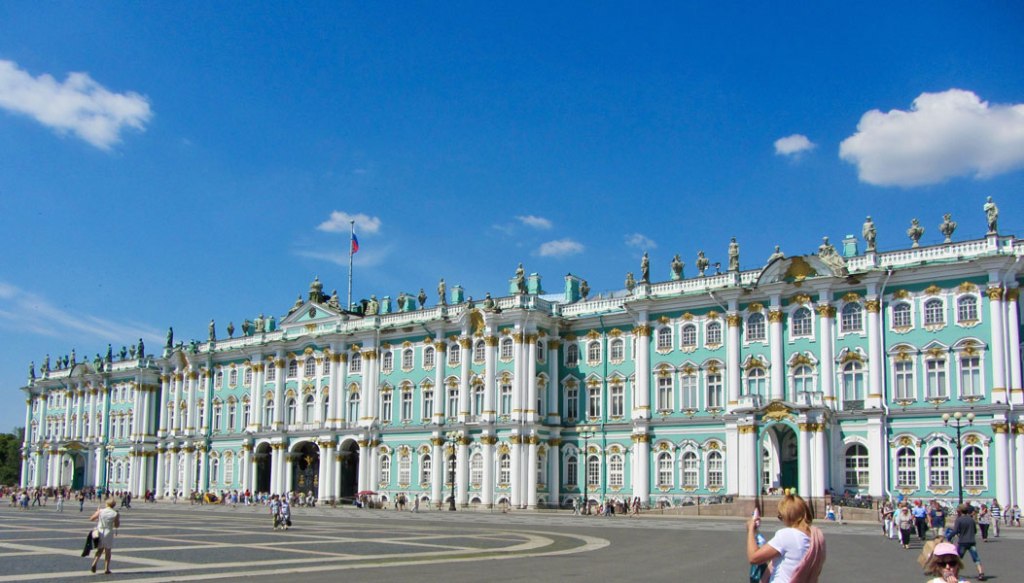
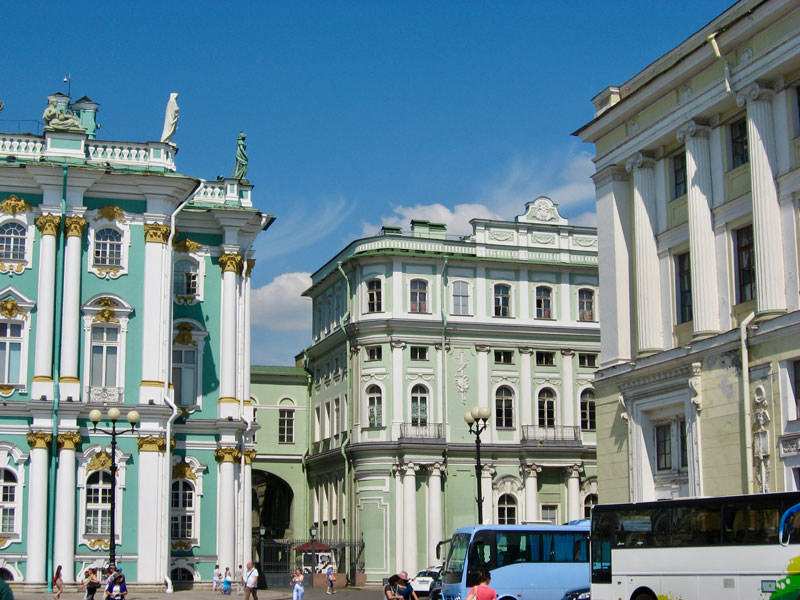
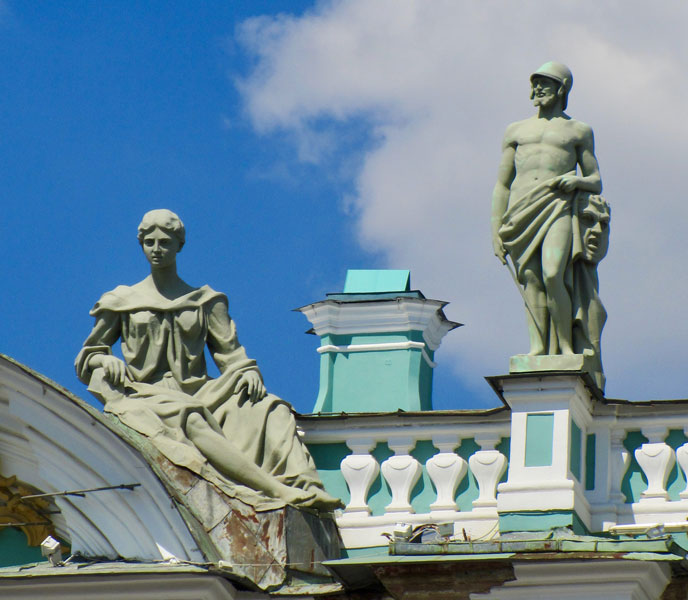
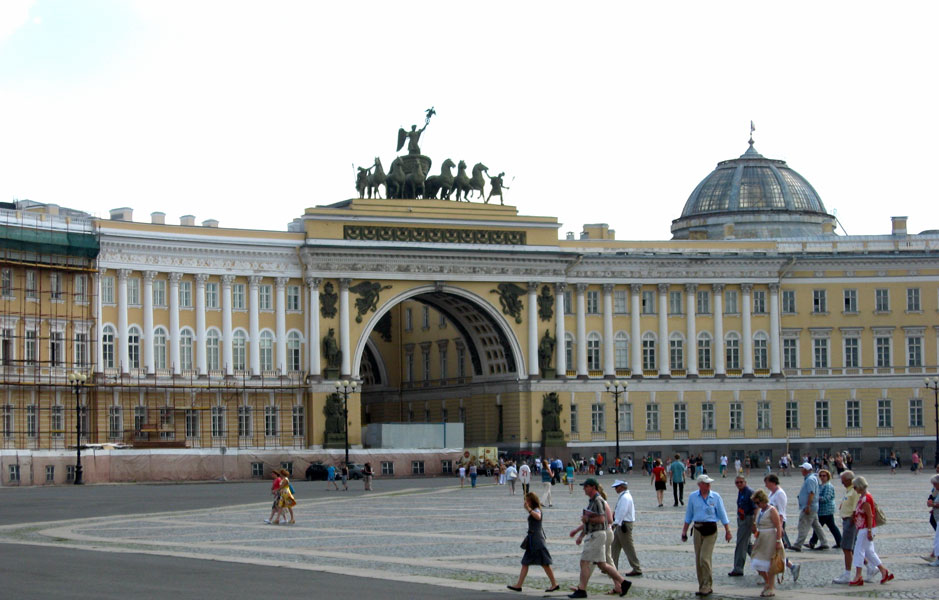
The Hermitage Museum
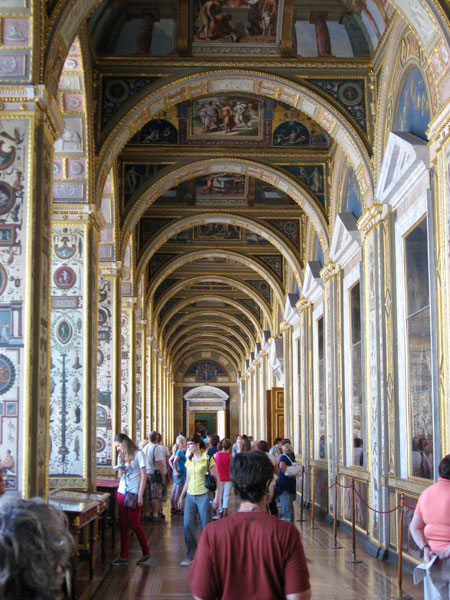
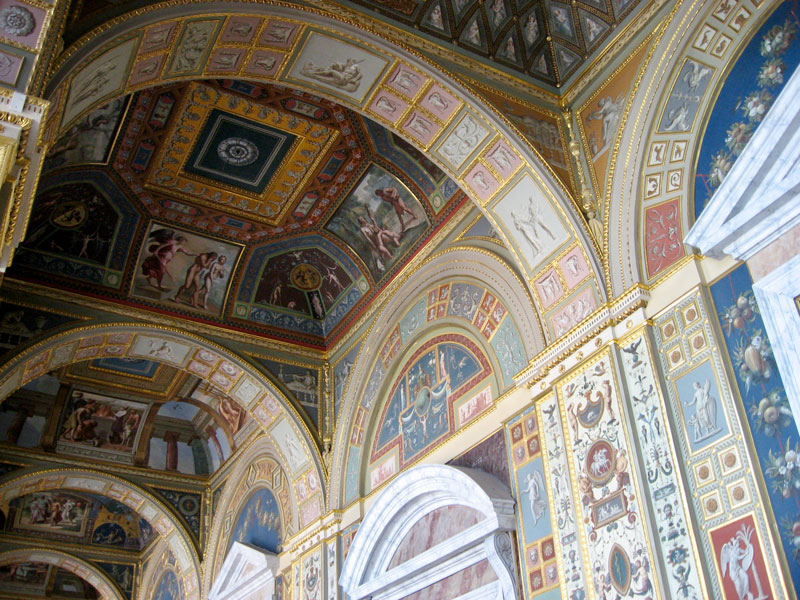
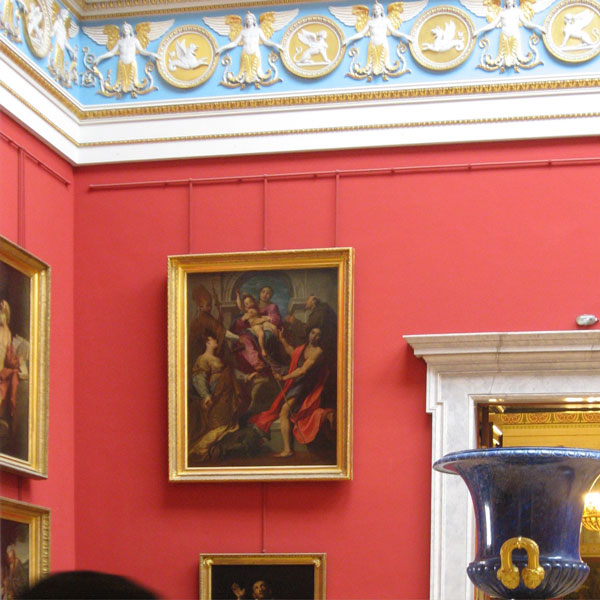
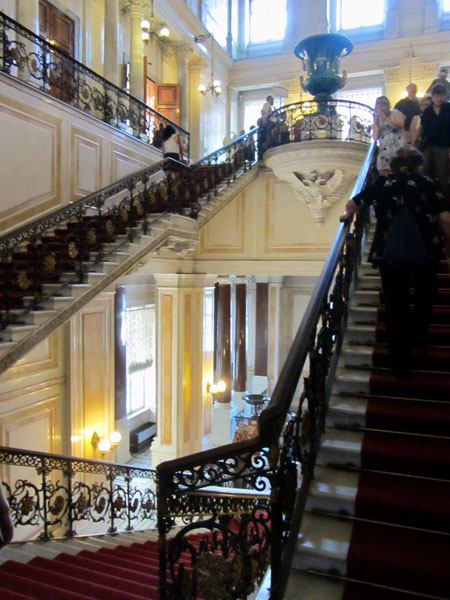
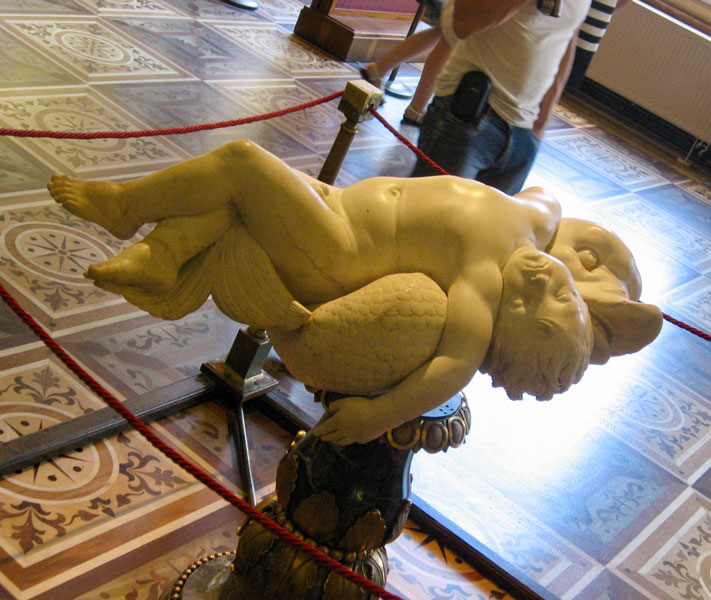
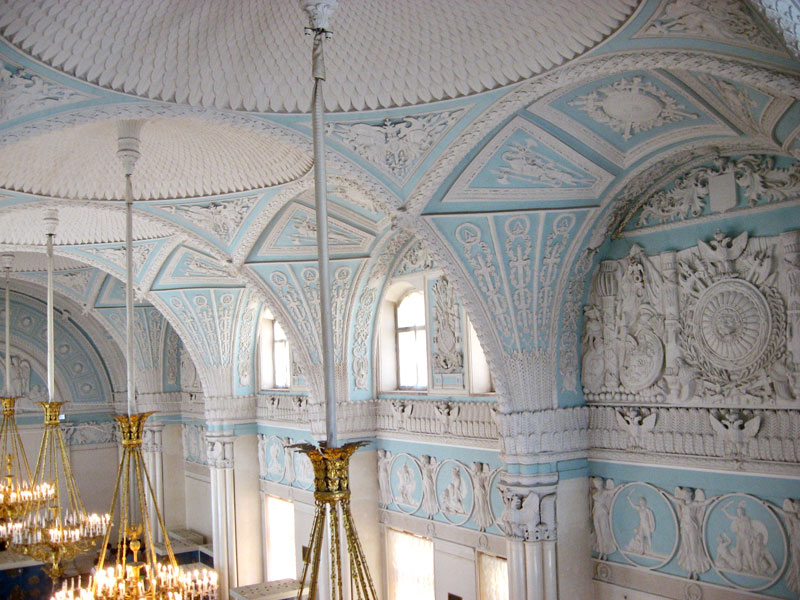
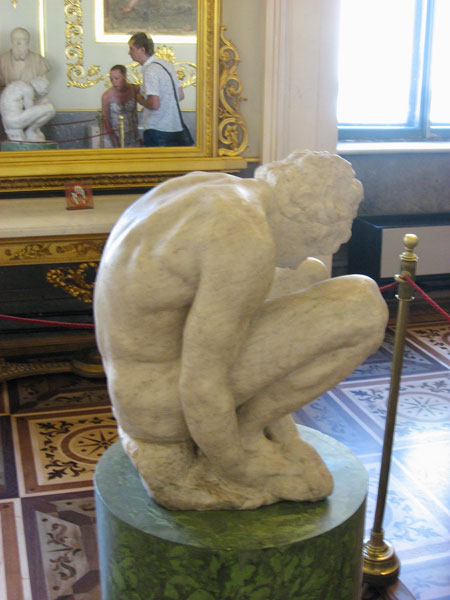
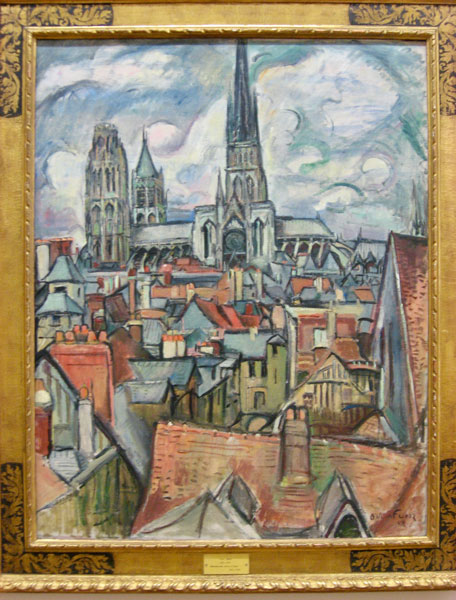
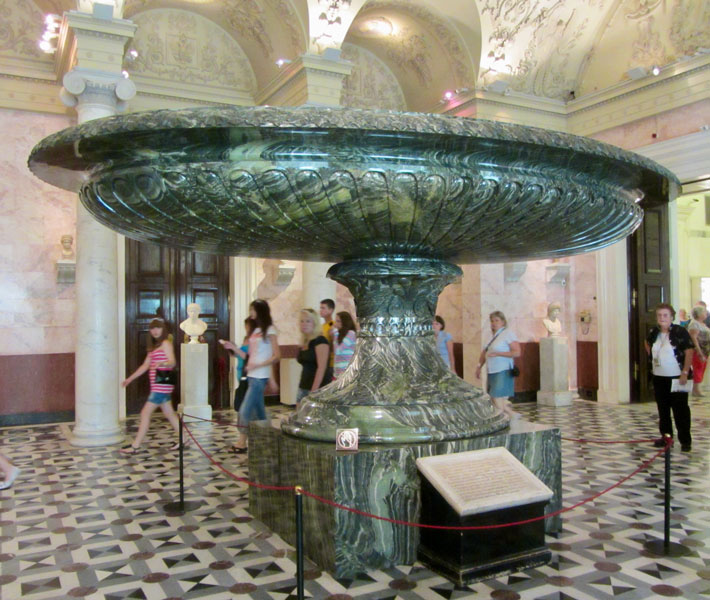
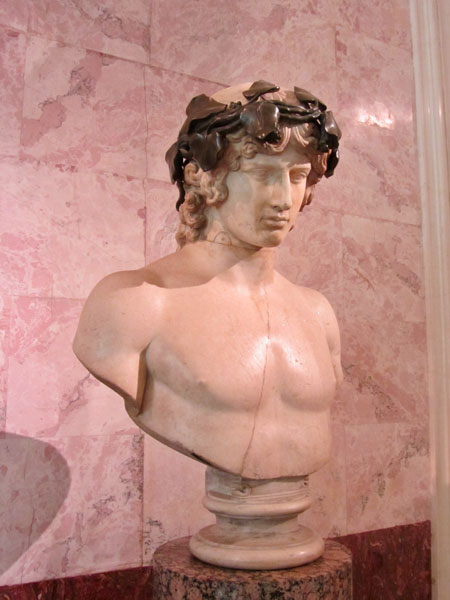
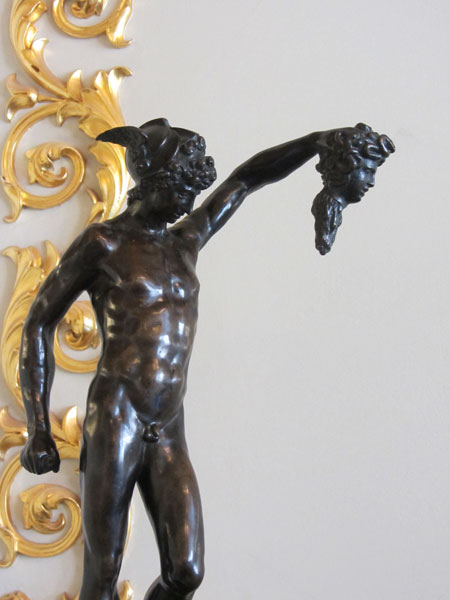
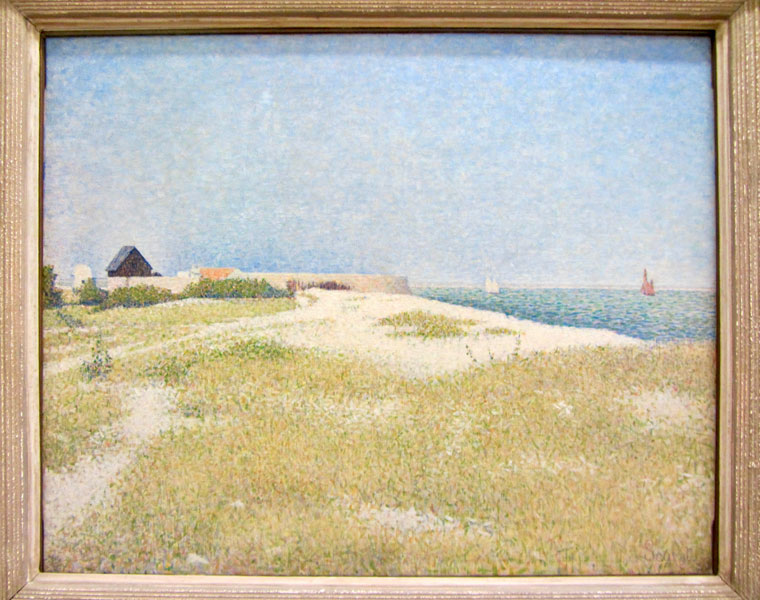
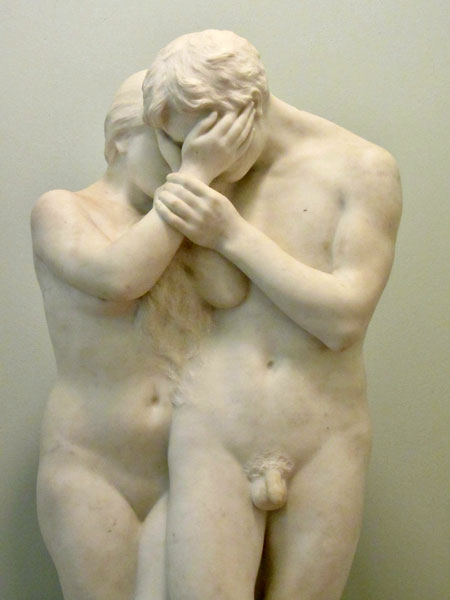
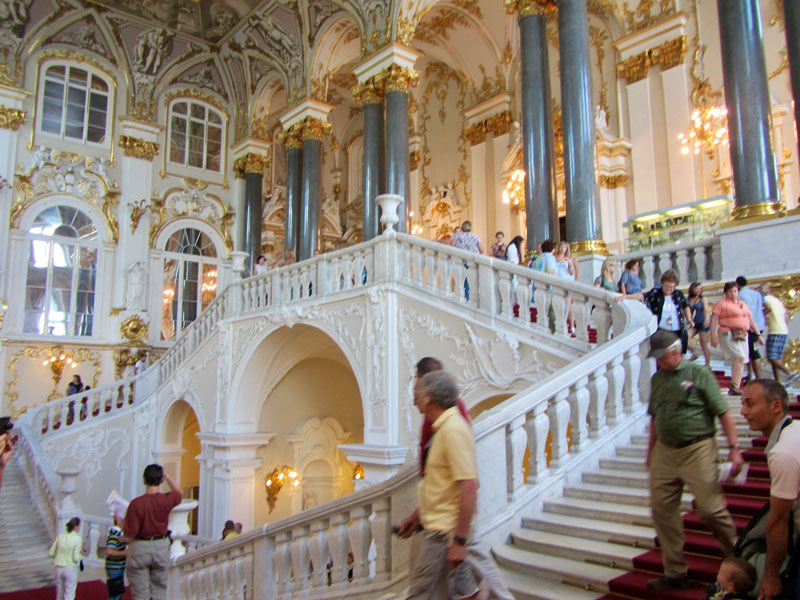
Our “dessert” was a too-brief–around 2½ hours–exploration of one of the world’s greatest art museums, The Hermitage.
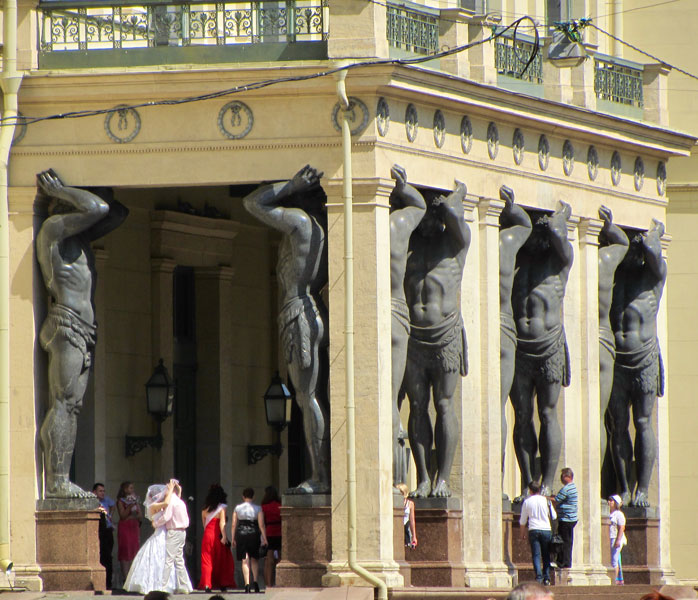
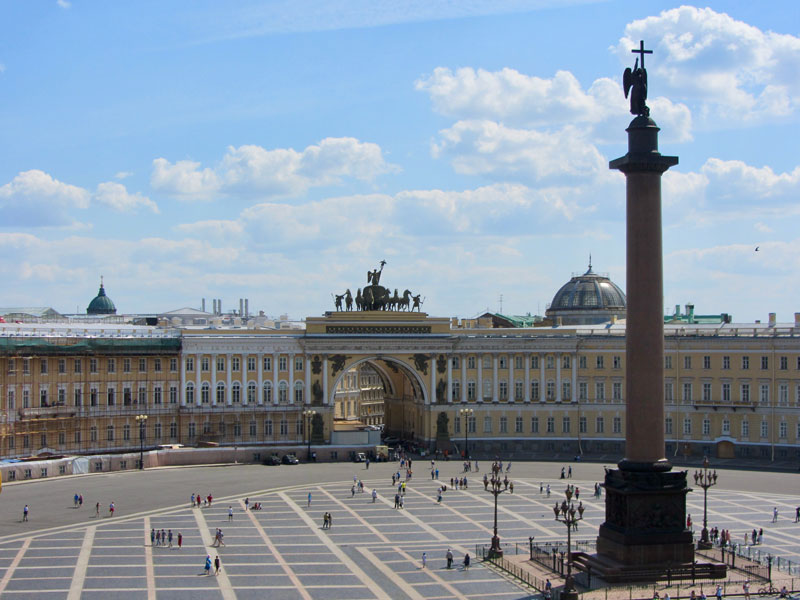
The State Hermitage Museum is housed in a cluster of former imperial buildings on Palace Square. Of them, the best known is the Winter Palace, a former home of the royal family overlooking the Neva River.
The Hermitage’s art collection was begun by Catherine the Great. She purchased a group of paintings that had been assembled by a Berlin merchant for the King of Prussia. When he reneged on the purchase, Catherine snapped it up, a practice she would continue to do with other auctions and private sales for the rest of her life. The art she amassed was initially housed in the “Small Hermitage,” one of the six buildings that now comprise the museum complex.
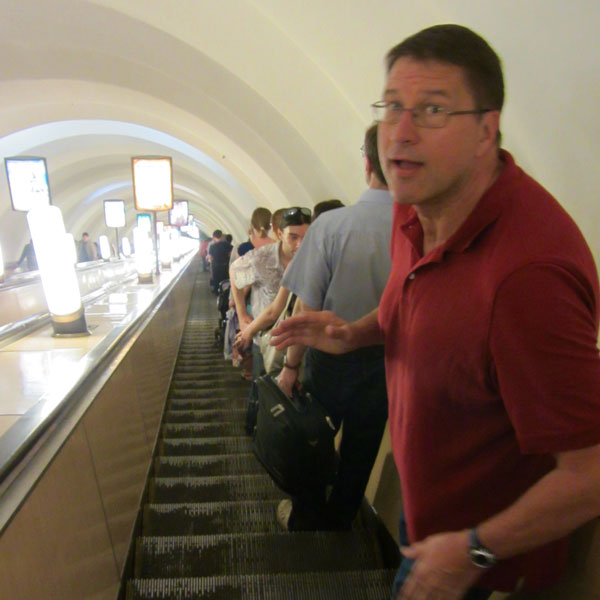
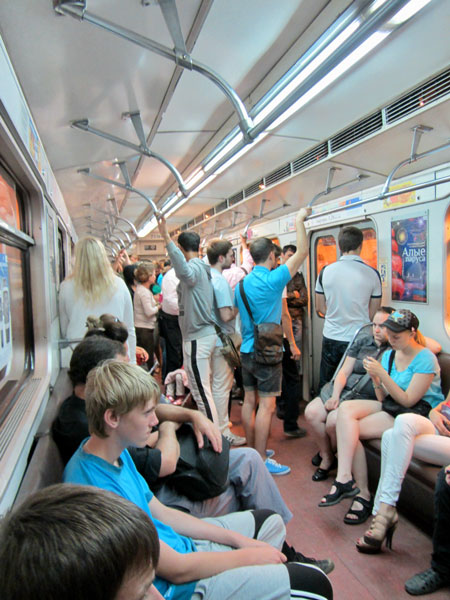
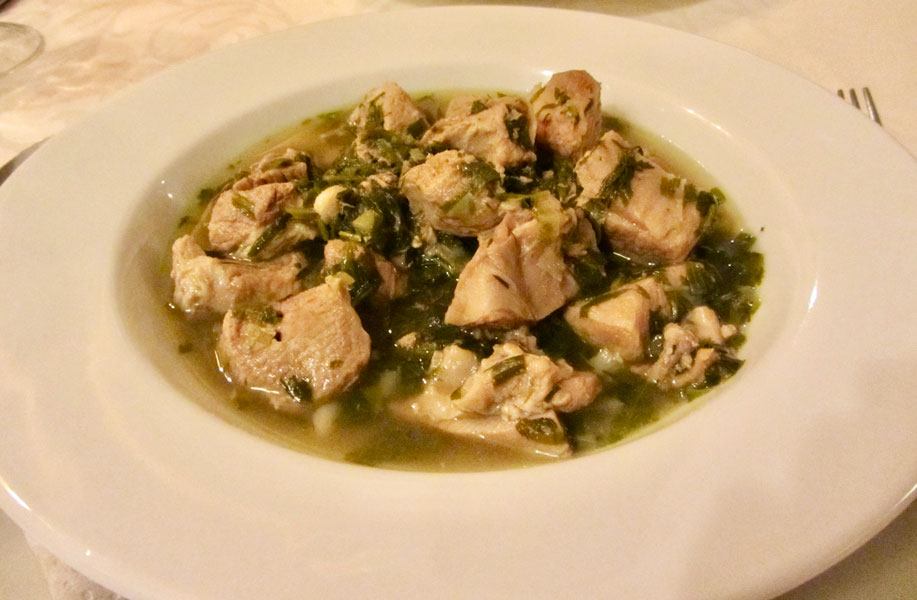
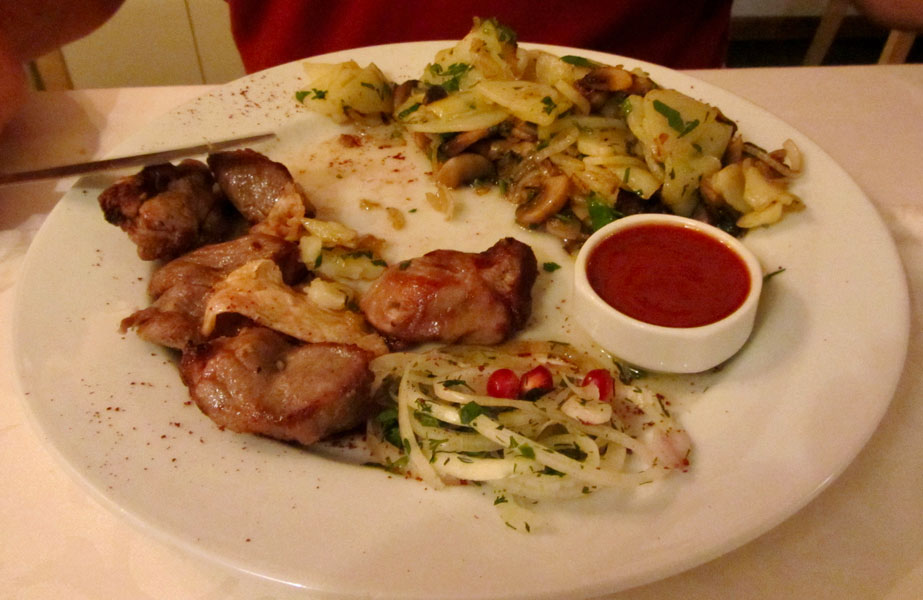
Memories are a little foggy here, but, in all likelihood, we returned to the hotel for a couple of hours before regathering for a group dinner. And out to reach the Georgian restaurant that was our destination, we took the St. Petersburg Metro. That’s livin’ life like the locals do.
Dinner
 Our Baltic Adventure