
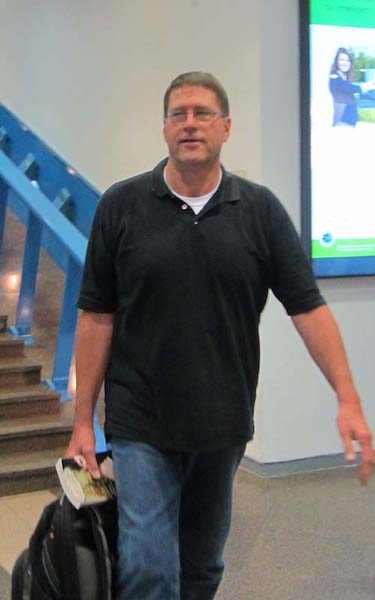
Labas!
We have arrived…finally.
And so begins our first day in Lithuania…early in the morning.
Before seeking transportation to the hotel, we located an ATM to get some litas, their currency at the time. While both Lithuania and Latvia were already members of the European Union, neither country had yet to fulfill all the requirements to join the Eurozone and adopt the euro. That would come later. (Latvia switched January 1st, 2014. Lithuania “went full euro” one year later.)
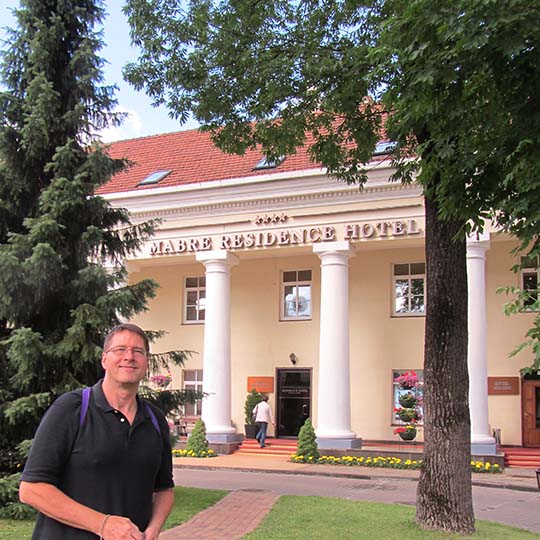
Arriving at the hotel, we checked in, unpacked for the next four days and then took a little disco nap to help us make it through the rest of the day. If we can stay awake and active until a “normal” bedtime in this time zone, our internal clocks should reset quickly.
Refreshed and ready to take on Vilnius, we ventured forth.
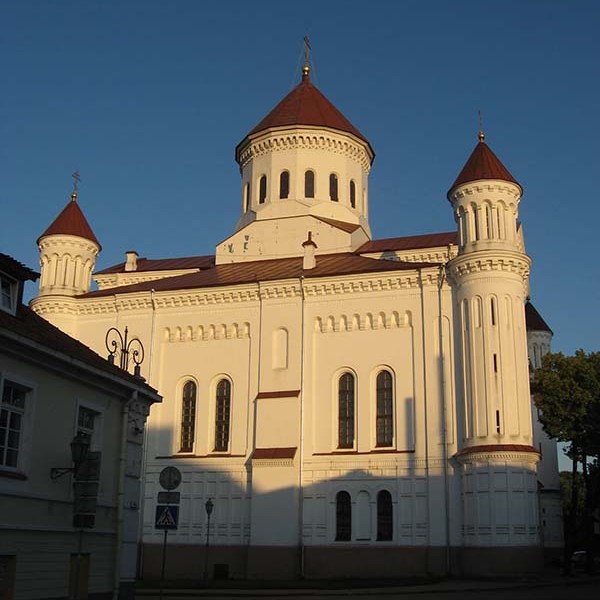
Our first major site, which could be seen from within our hotel courtyard, is a massive white religious edifice looming above the enclosing walls.
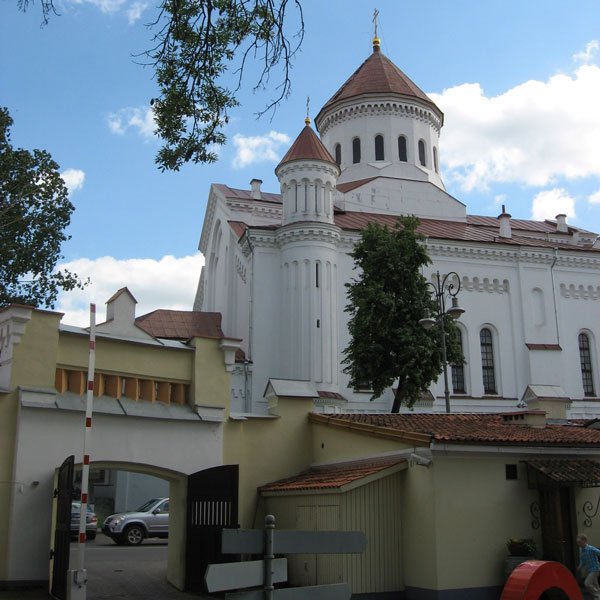
from our hotel courtyard
We will later learn that this is the Orthodox Cathedral of the Theotokos located just outside the hotel’s front gate, sitting between the hotel, the Vilnia River and Užupis. (More on Užupis later.)
We exited the hotel grounds and made a left turn, with the goal of climbing Gediminas Hill and taking in a panoramic view of the city from the top of Gediminas Tower, which crowns the summit.
But we are stopped in our tracks by what comes into view: the delightful Gothic church of St. Anne and the adjacent Bernadine complex.
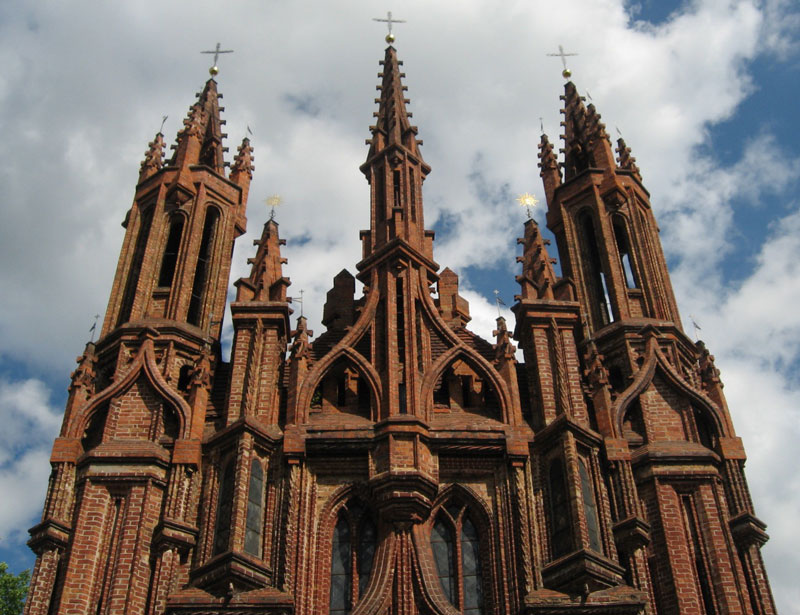
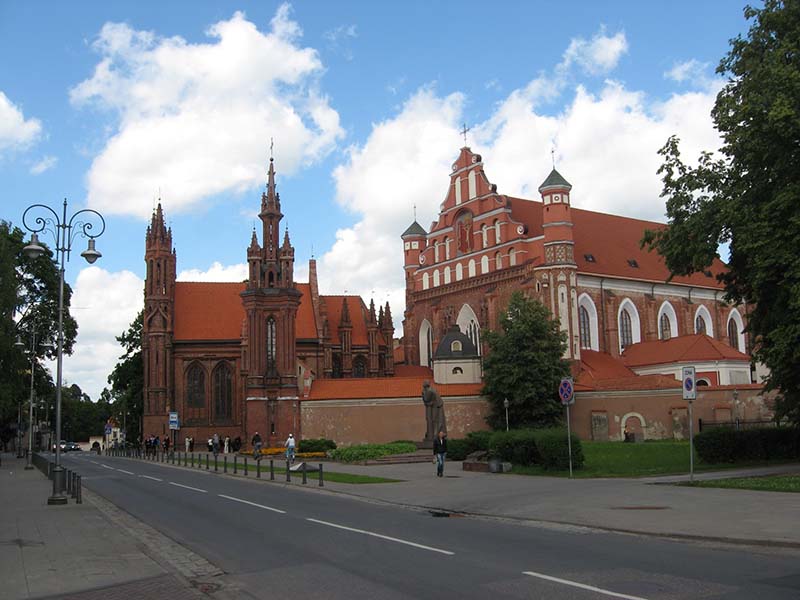
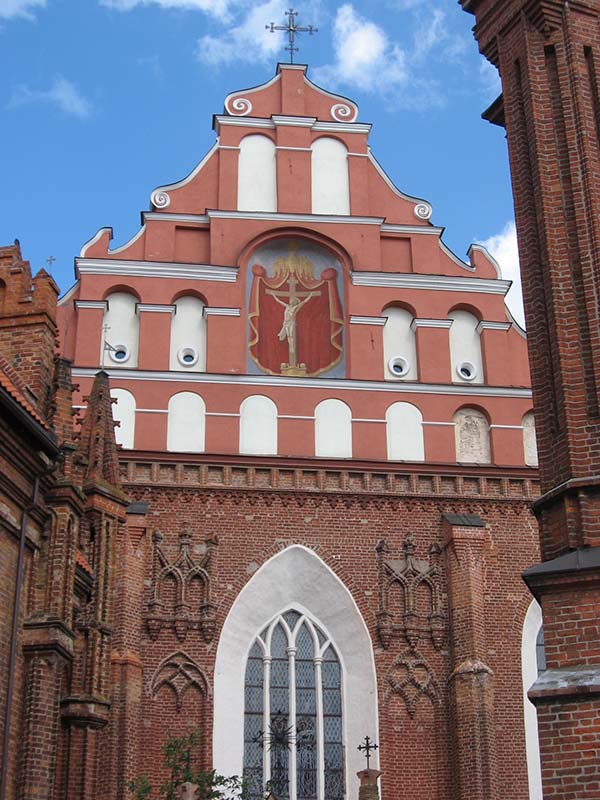
(Bernadine)
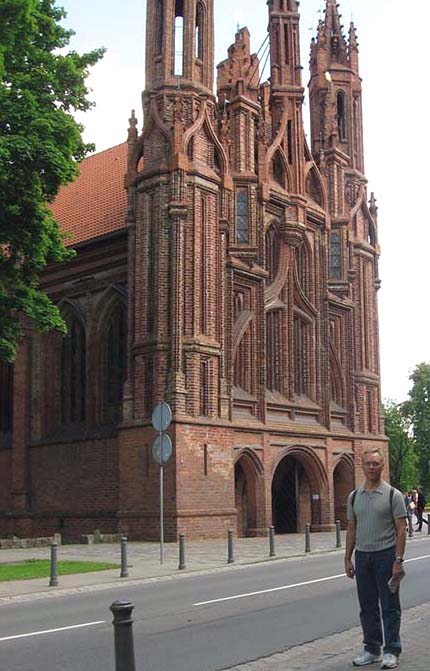
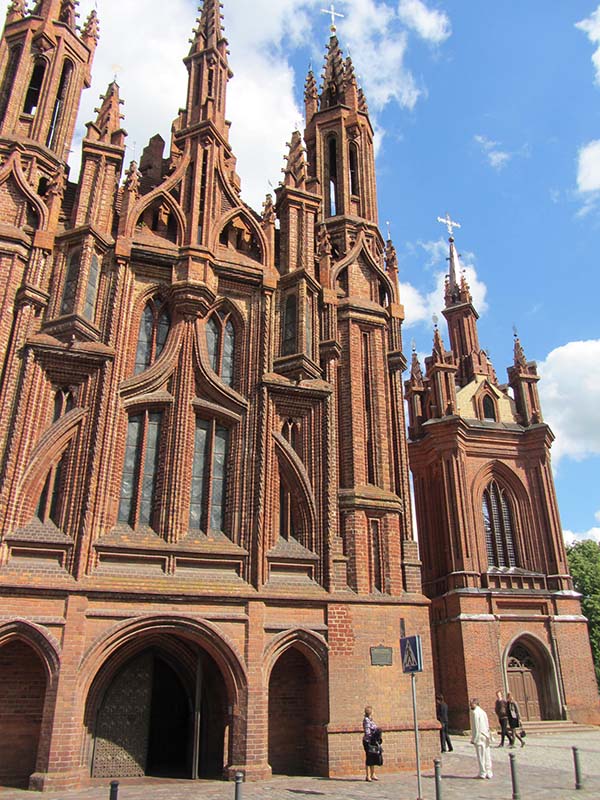
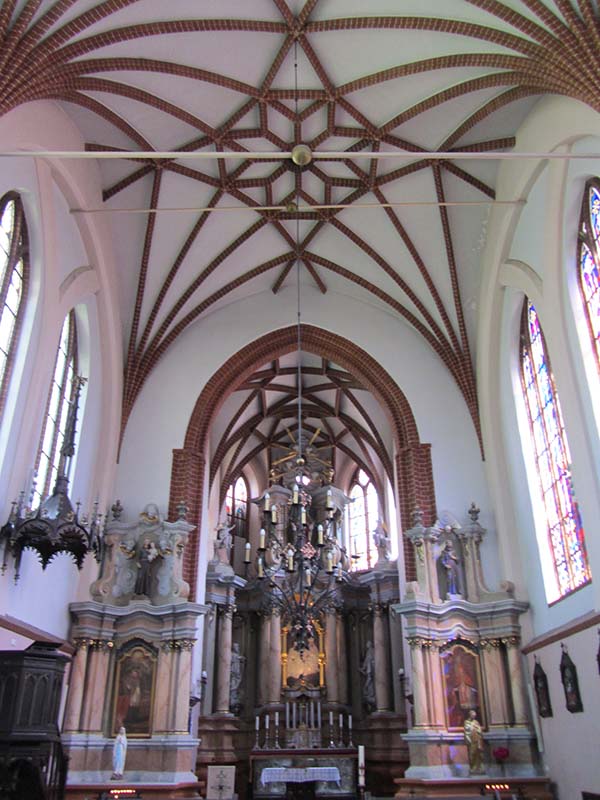
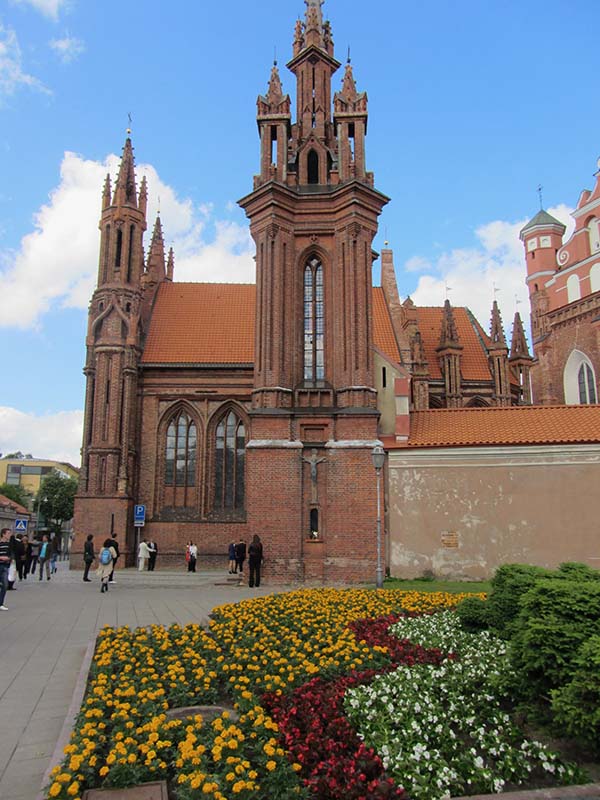
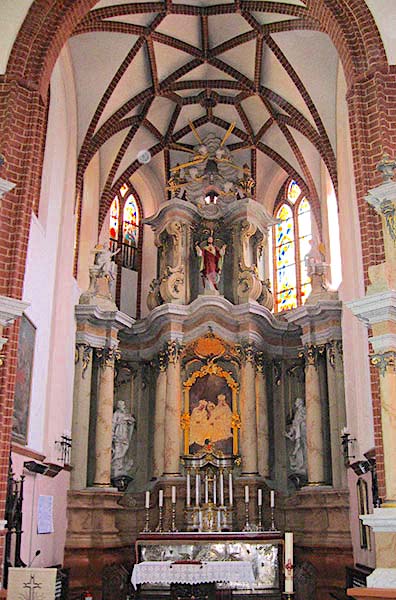
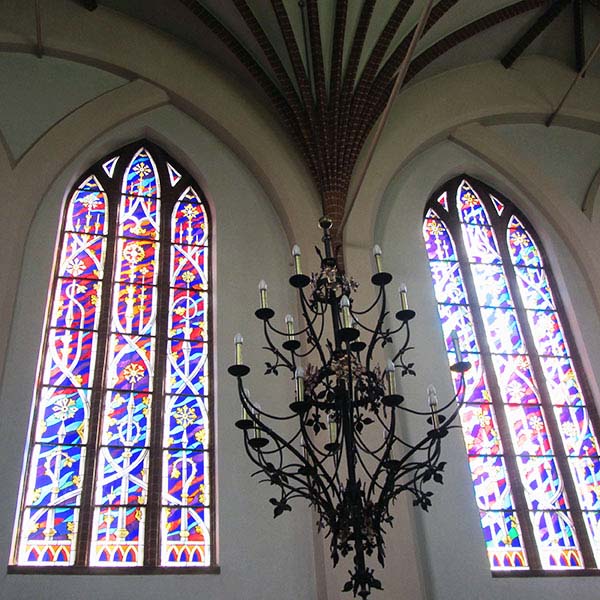
Considered one of the finest examples of late flamboyant brick Gothic, it is rumored that Napoleon, upon seeing the church, wanted to take it back with him to Paris “in his palm.” Complimenting the intricate facade of the church is a later-built, free-standing brick bell tower. And between these two sits the Bernadine–the Church of Francis of Assisi–fronting what had been the Bernadine monastary. (Now, the Vilnius Academy of Arts)
After being gobsmacked by the exquisite beauty of St. Anne’s, we resumed our stroll towards Gediminas Hill.
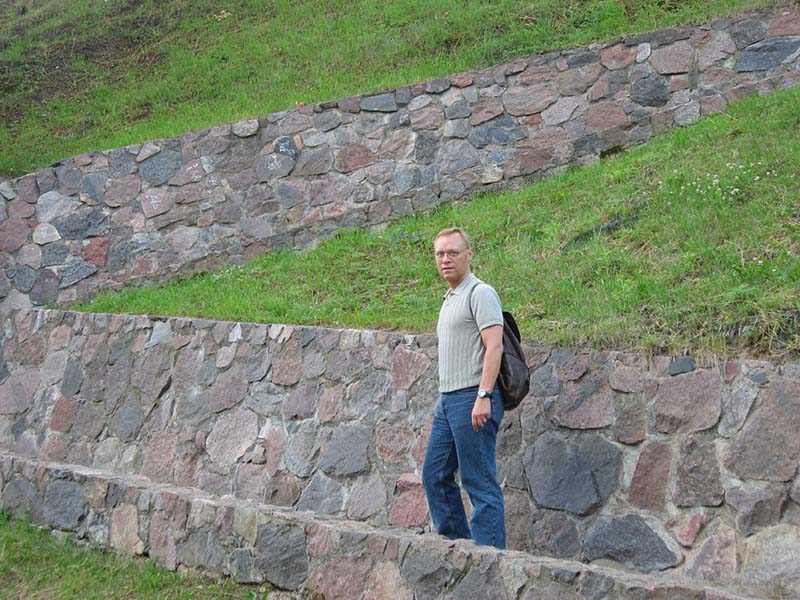
The climb was a challenge–I hadn’t had my knee replacements yet– but we (eventually) made it. (Once on the summit, we discovered there was a funicular on the opposite side that could have carried us to the top painlessly for a few litas.)
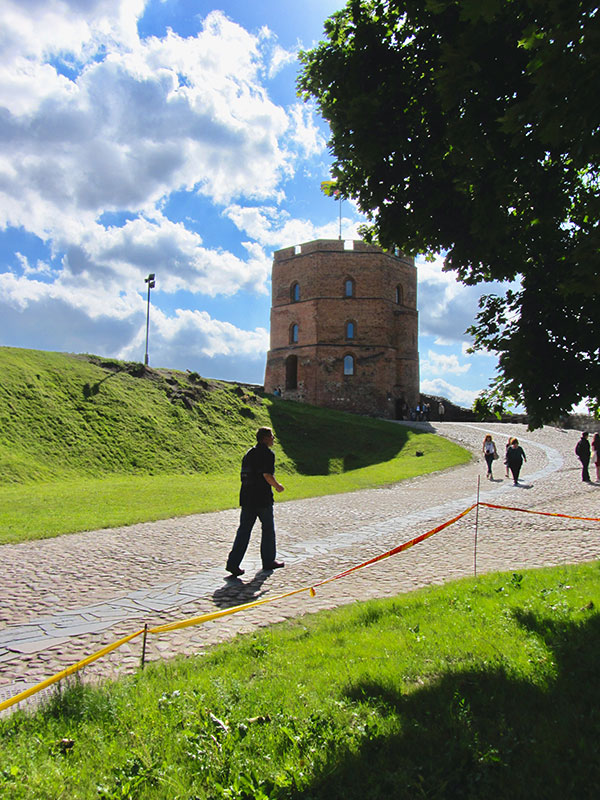
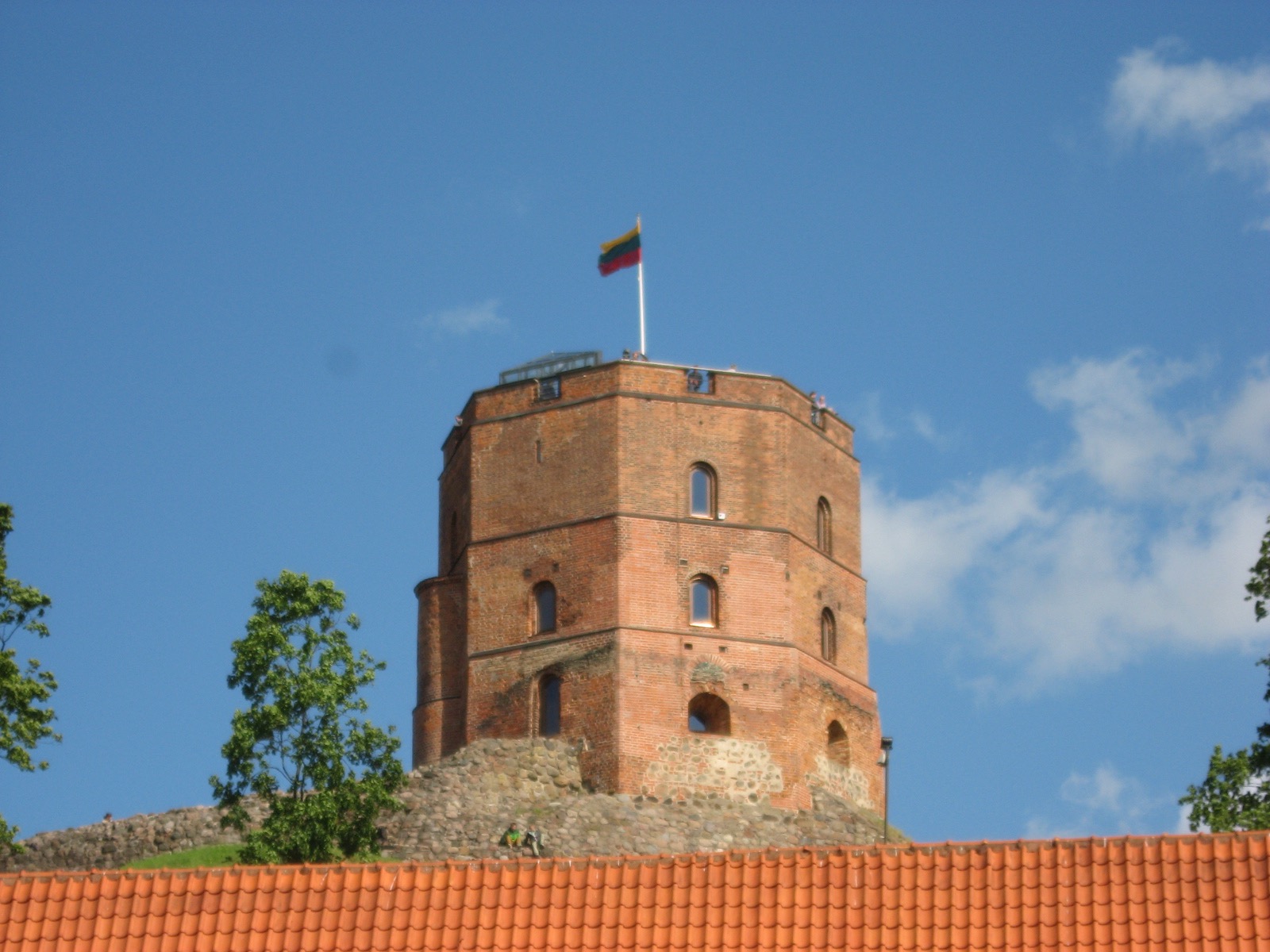
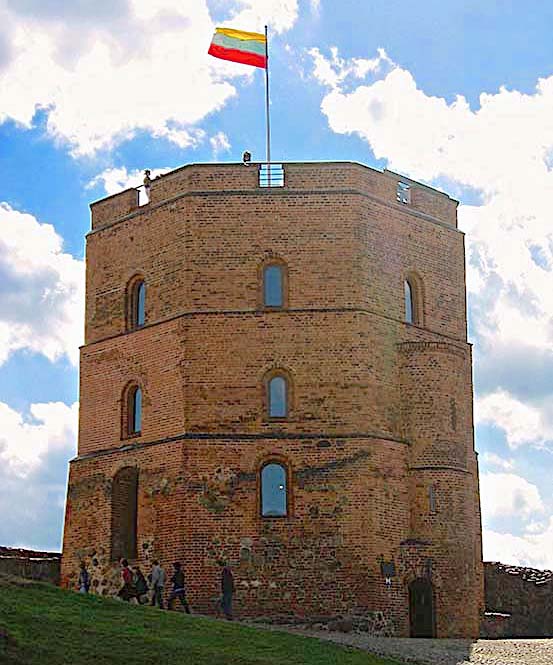
The three interior floors of the tower are a museum exhibiting archaeological findings from the surrounding area, models of past Vilnius castles, cases displaying armaments, and iconographic material of Old Vilnius. Each floor is accessed via a wall-hugging, handrail-free curved staircase (Again, “Ouch” to the knees!) that eventually reaches the rooftop observation area.
We reviewed the museum exhibits on the way up. (I can’t remember if the museum placards were in Lithuanian only or if there were some in English. Since I can’t recall having learned anything of particular interest, I would guess the former.)
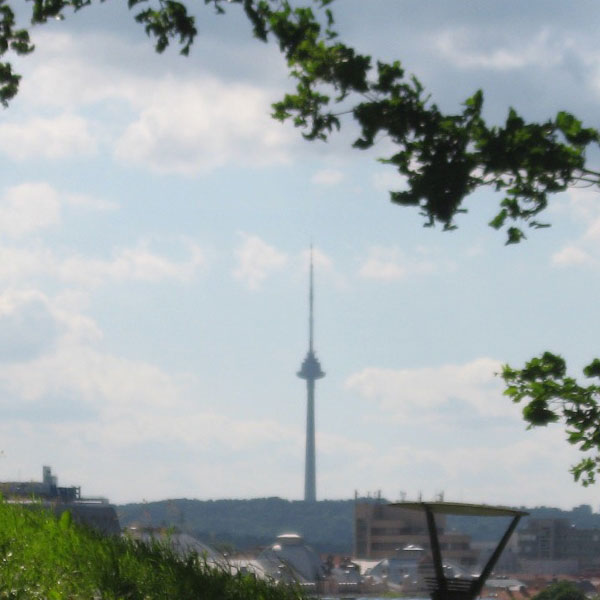
From atop the tower, the view was just spectacular–despite the pain and the fact that we really didn’t have any points of reference in what we were seeing, having been in the city for less than 24 hours.
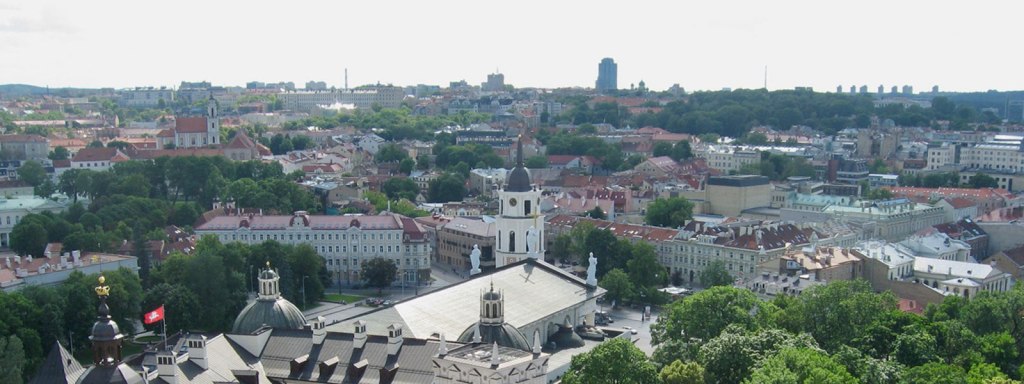
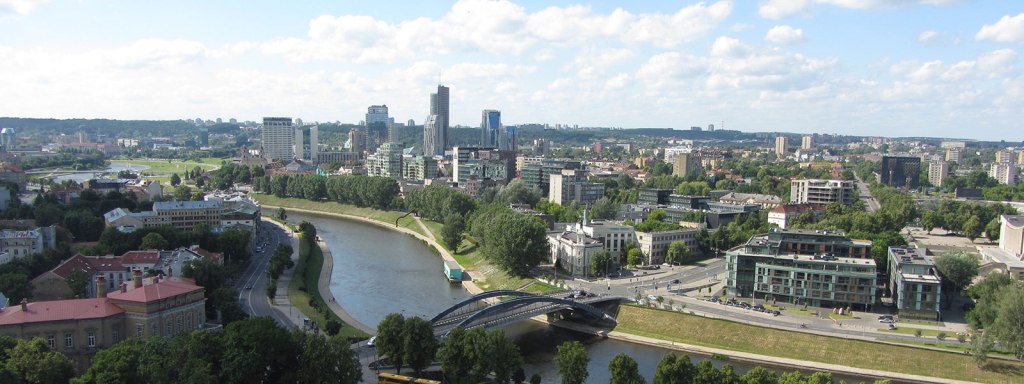
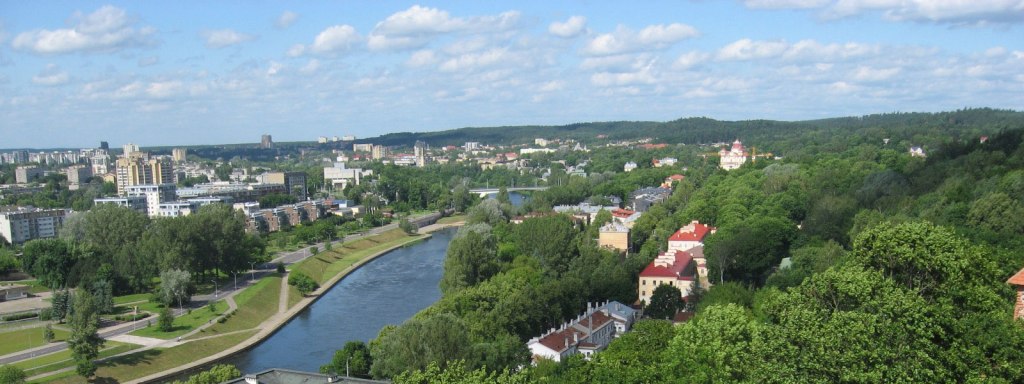
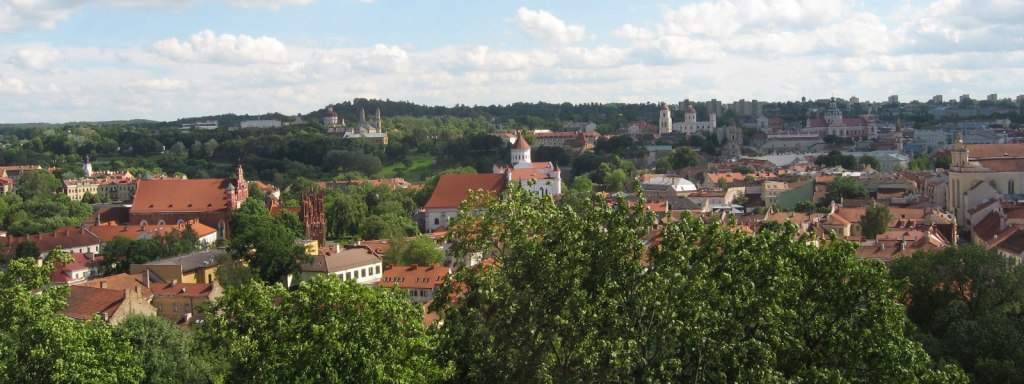
In retrospect, with over 10 years having passed, I find that these panoramic views not only bring back some of the thrill of discovery during those first days, but they are instilling a longing to return, knowing that there was still so much we missed then because of our unfamiliarity.
We spent a good deal of time gazing out over the cityscape before descending to ground level on the funicular to continue our exploration of the Old Town.
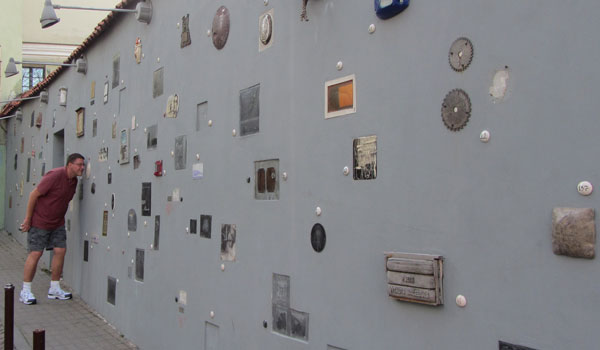
Architecturally, there were interesting Baroque buildings at every turn as we wove our way through the old city. But, curiously, we found our eyes were constantly being drawn to little examples of art popping up everywhere. Some were spotted in out-of-reach alcoves high on building walls. Some were painted at street-level, incorporating adjacent building features to complete the work. And then there’s Literatų Street (below), the walls of which were covered with decorative and artistic plaques dedicated to writers and others who have contributed to Lithuanian culture.
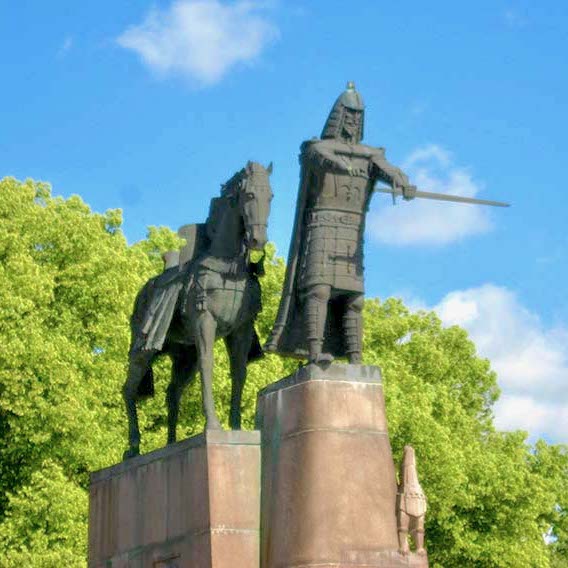
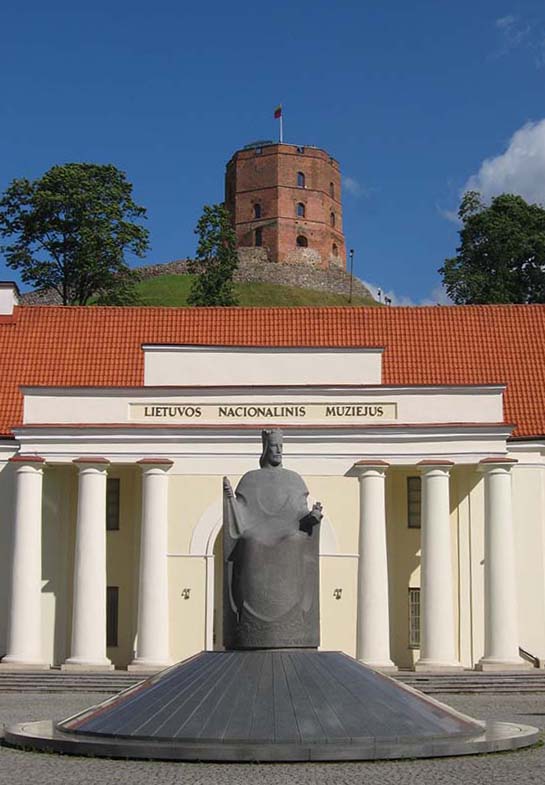
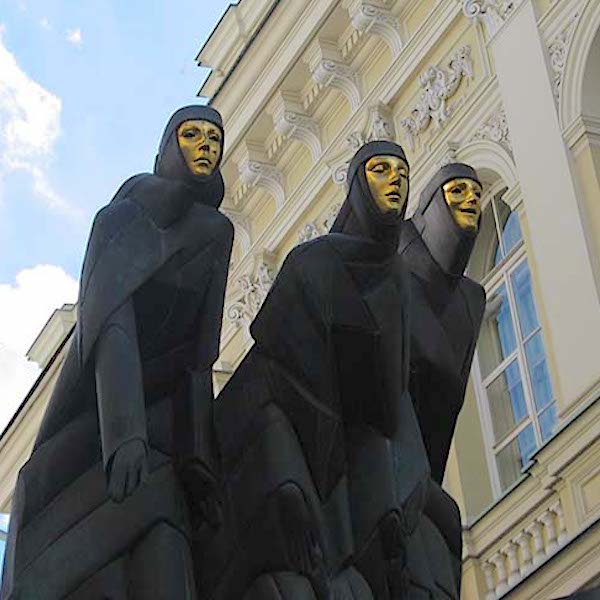
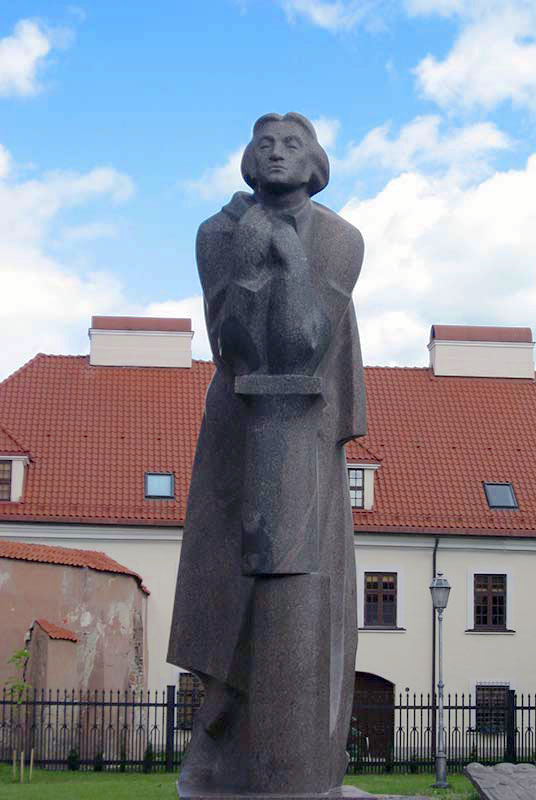
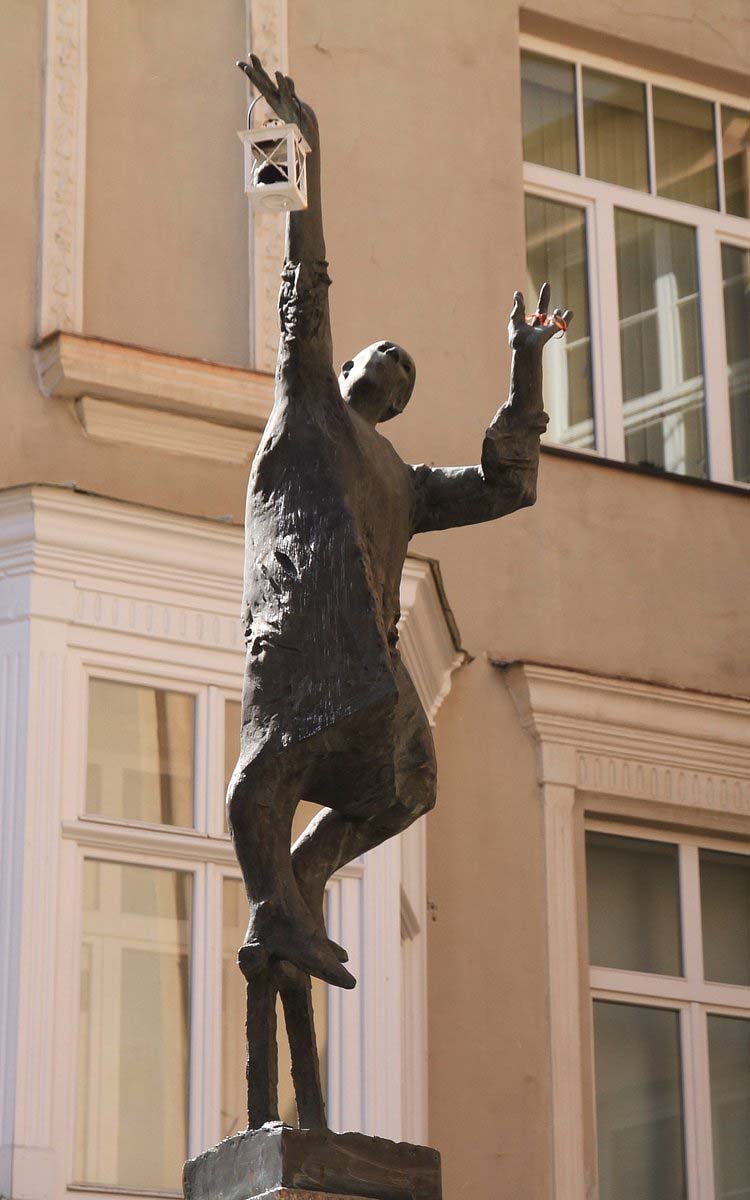
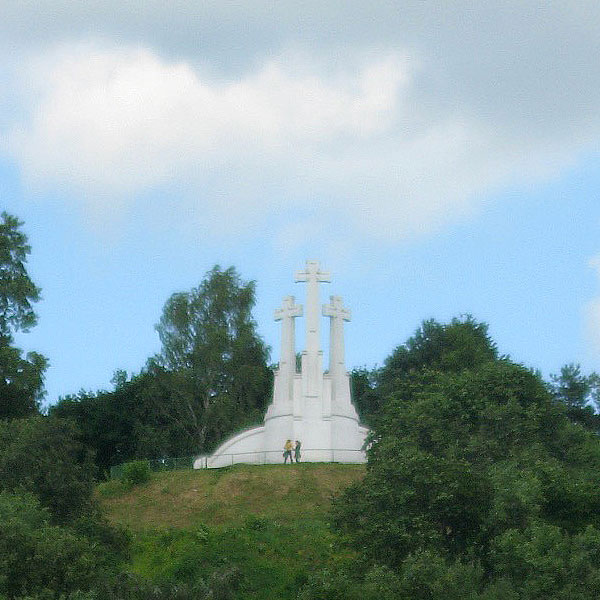
We also came across numerous statues and monuments in both prominent and unexpected places, starting with the carved statue of their national poet in front of St. Anne’s.
Here’s a collage of the some of the statues and monuments we encountered on today’s excursion.
(Click on images to enlarge)
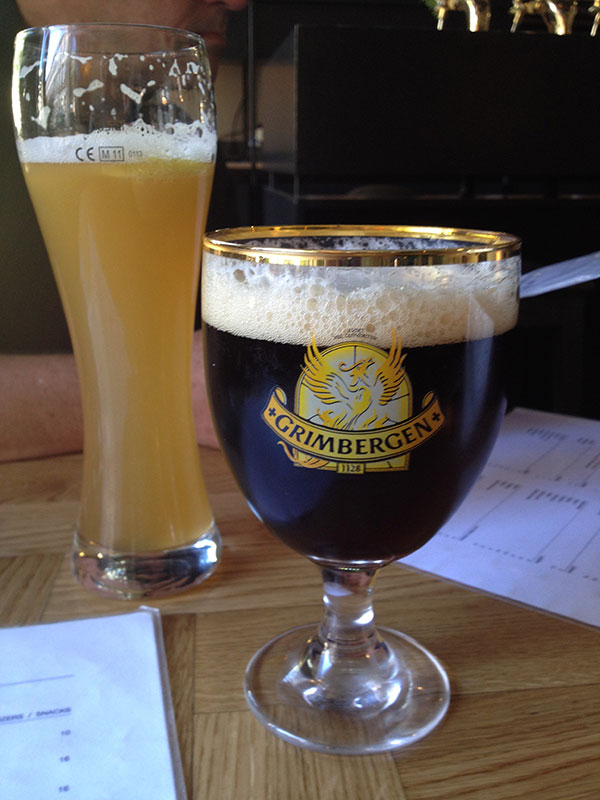
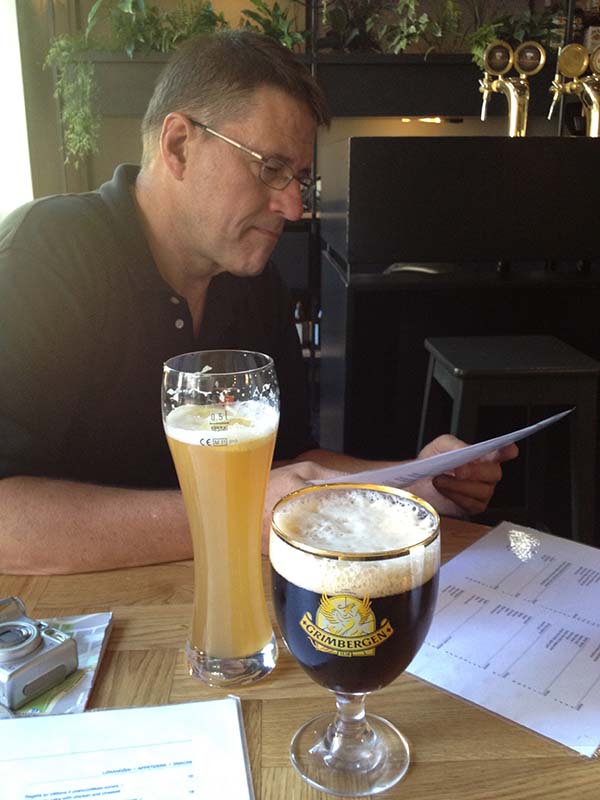
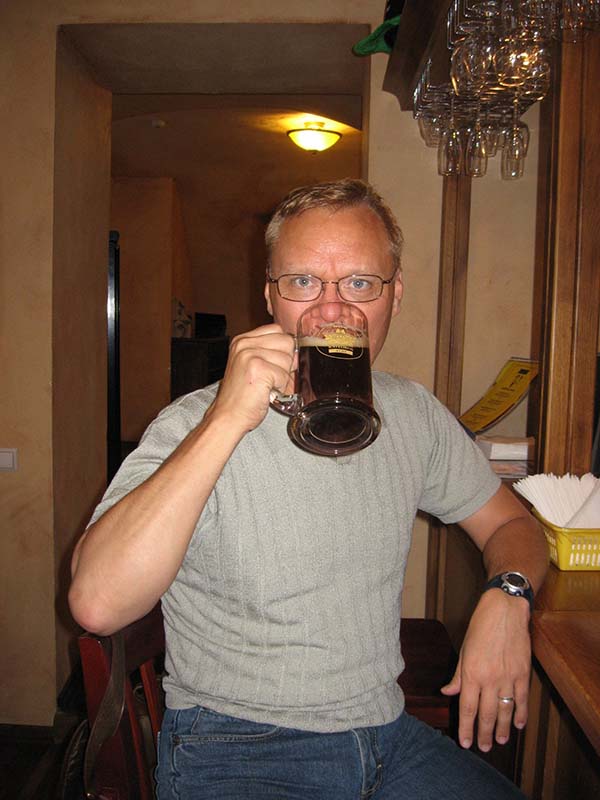
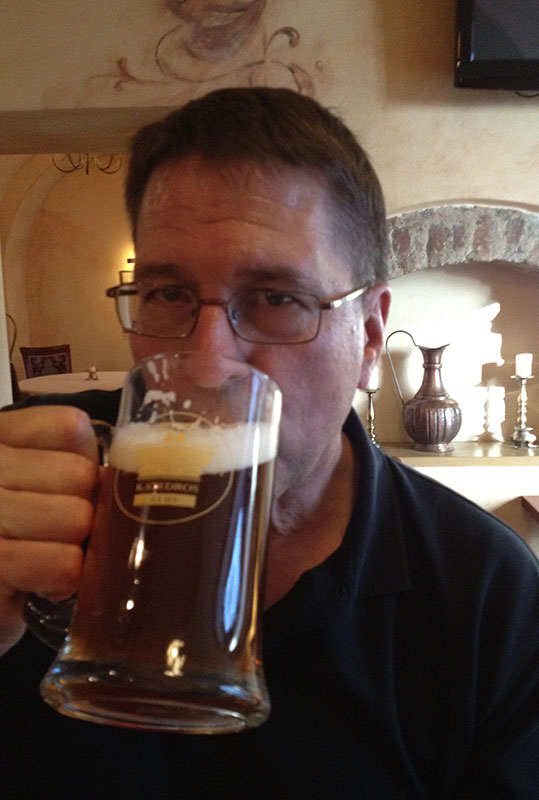
Of course, exploring a new city is a thirst-n-hunger-inducing endeavor. And who are we to deny our basic needs for sustenance? We learned the all-important Lithuanian word for beer (“alus”) which was seamlessly integrated into our vocabulary over the next several days.
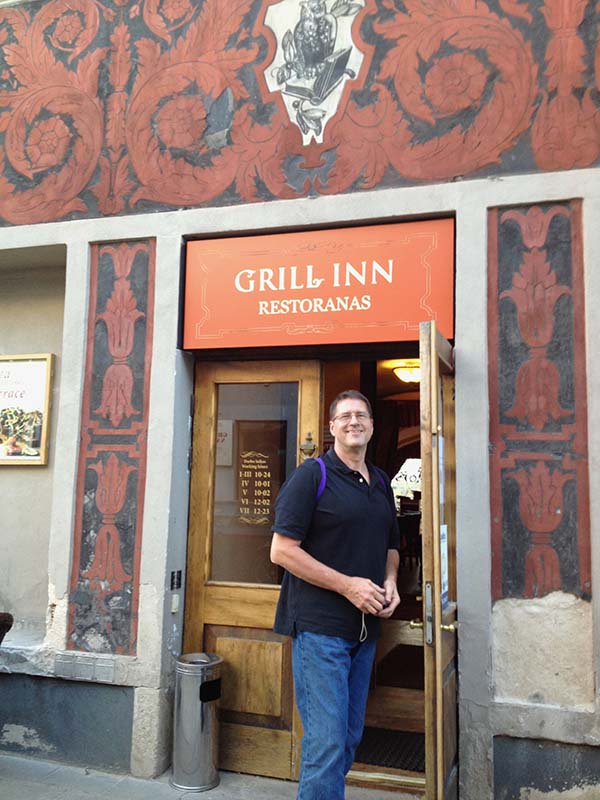
Today, our first local imbibement took place at the Grill Inn.
Don’t get me wrong. We also consumed solid food…some local Lithuanian dishes. However, not being “Insta-guys” at the time, there aren’t a lot of photos of the foods we ate…until later in the trip. Suffice it to say, our first culinary stop was a great success. We enjoyed a great lunch, both in liquid and solid state, before continuing our exploration of Old Town Vilnius.
There are 40-50 houses of worship in Vilnius…and the next several days only reinforced that factoid. Fortunately for you, my dear readers, as well as for us, we did NOT visit every one of them. But we took a lot of pictures…as you will see.
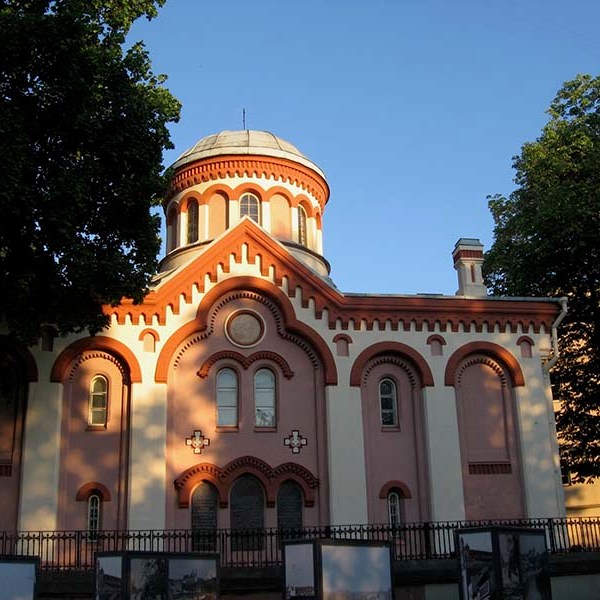
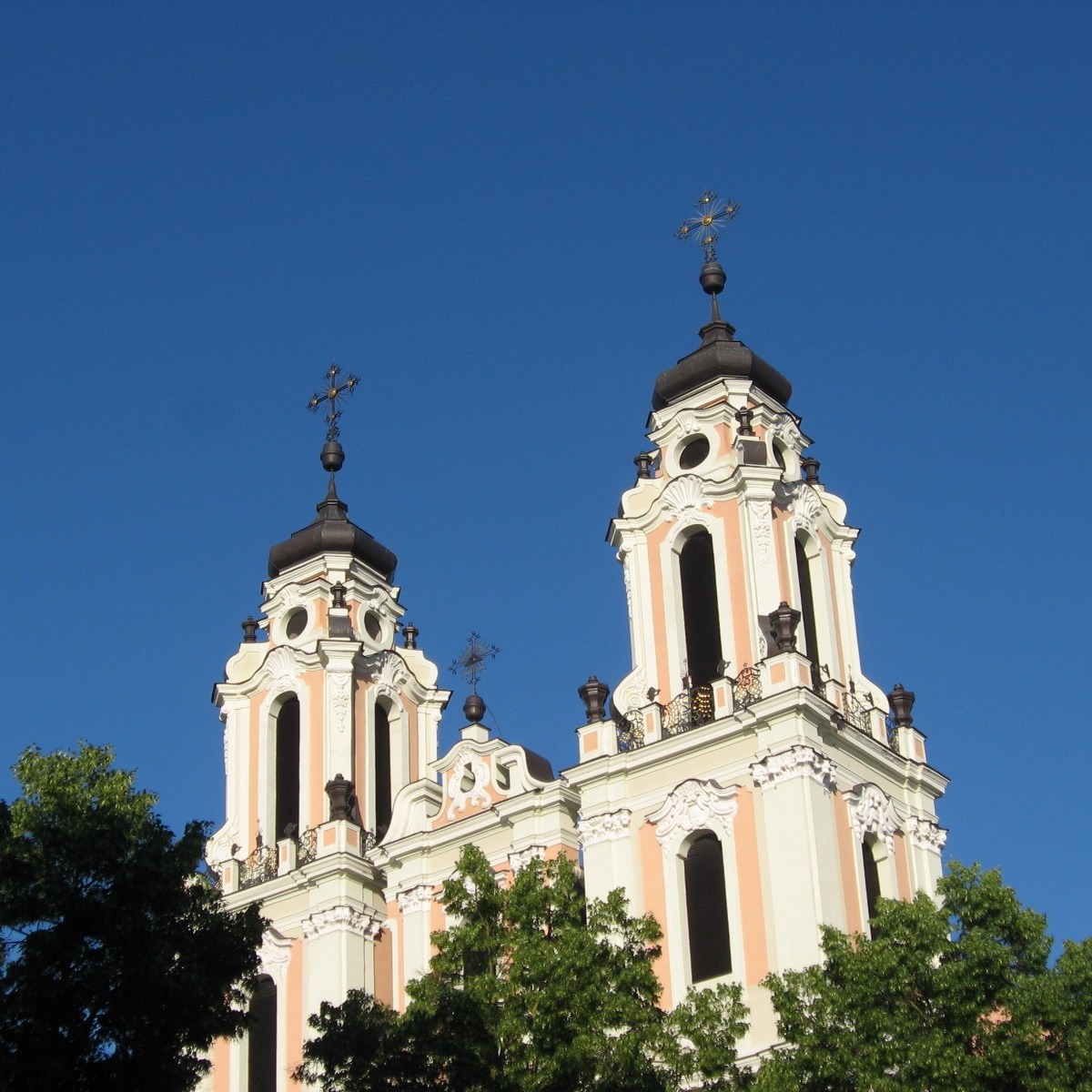
And……dinner that first day? Need I write more? (I have no idea where we were or what we ate! Only proof that we did drink.)
After satiating ourselves, we meandered back through the medieval city streets, returning to our hotel for a full night’s sleep in preparation for tomorrow’s Vilnius adventure.
 Our Baltic Adventure