
I’m not exactly sure how this knowledge came to us, but last night was Midsummer’s Eve/St. John’s Feast…a night celebrating the Summer Solstice with wild pagan abandon while (“Wink! Wink!”) wrapping the festivities in the sanctioned cloak of a saint’s feast day to mollify the nominal Christians.
While we found no smoldering bonfires or abandoned maypoles, the evening’s celebratory debauchery was evident in the discarded cans and bottles scattered about. We never got close enough to the Neris River to see if any soggy, woven floral-and-herbal wreaths had washed ashore, sad and alone, dashing the marital dreams of the spousal-wannabes who set them afloat in the hopes of finding a mate.
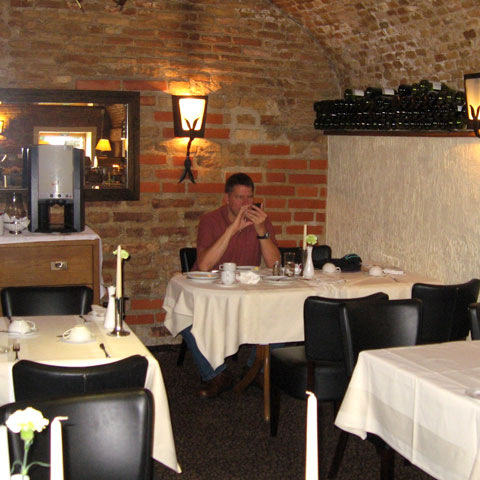
Our day started with the included breakfast in the hotel restaurant. (It was a bit like eating in a brick cave.) I used this time, once the vittles were gone, to check (and edit) the app-based walking tour of major sites of interest that I had set up on my phone. It would be our guide for exploring the Old Town.
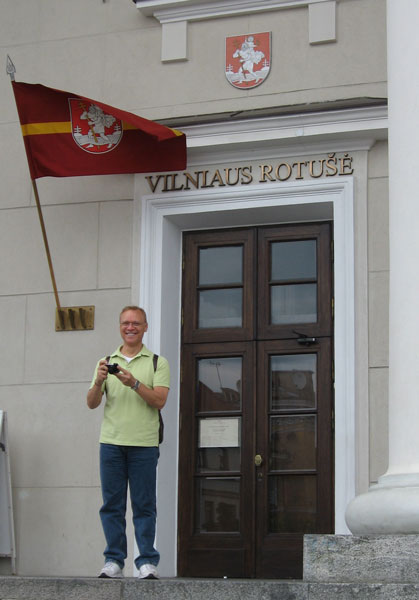
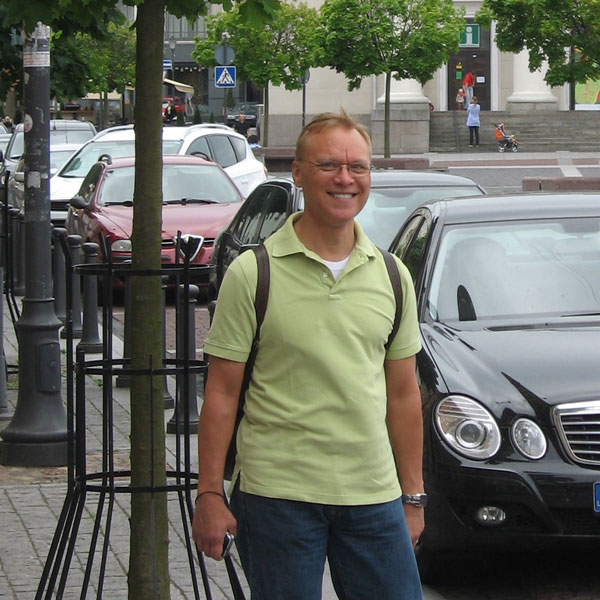
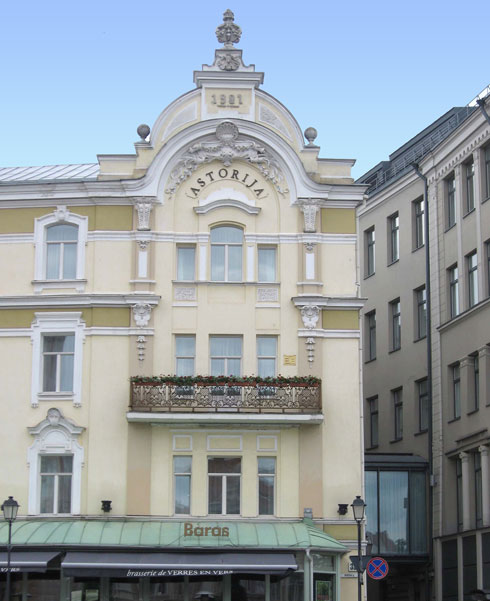
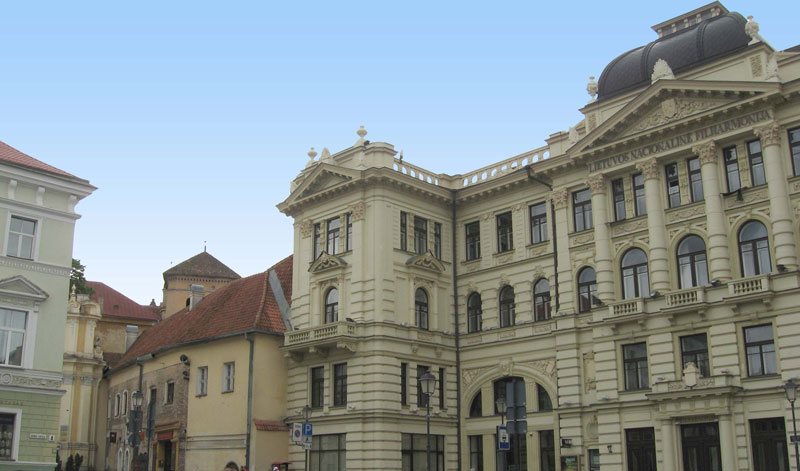
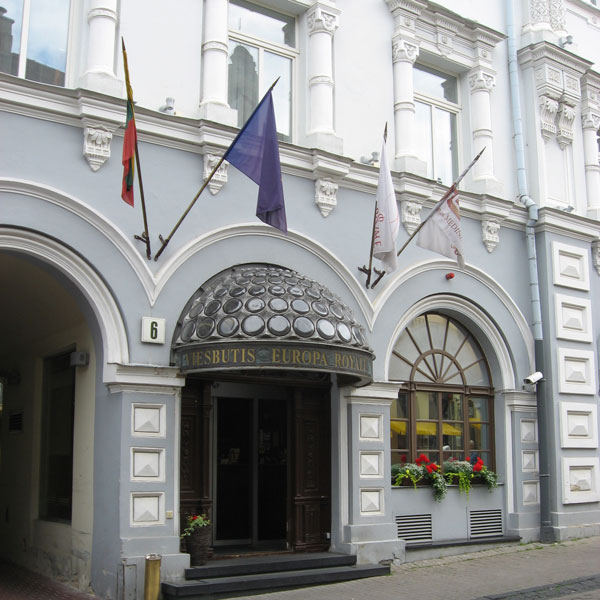
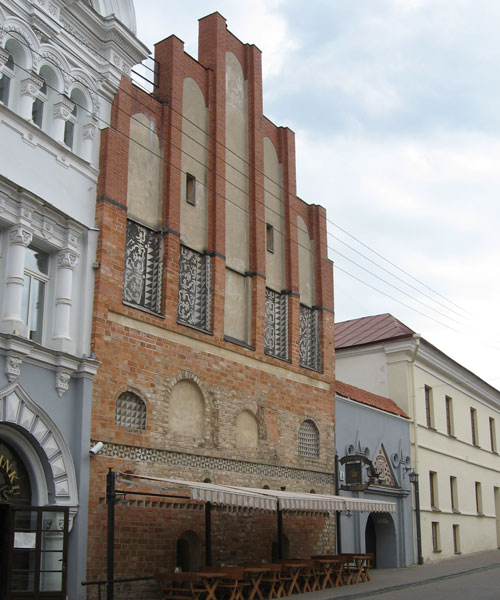
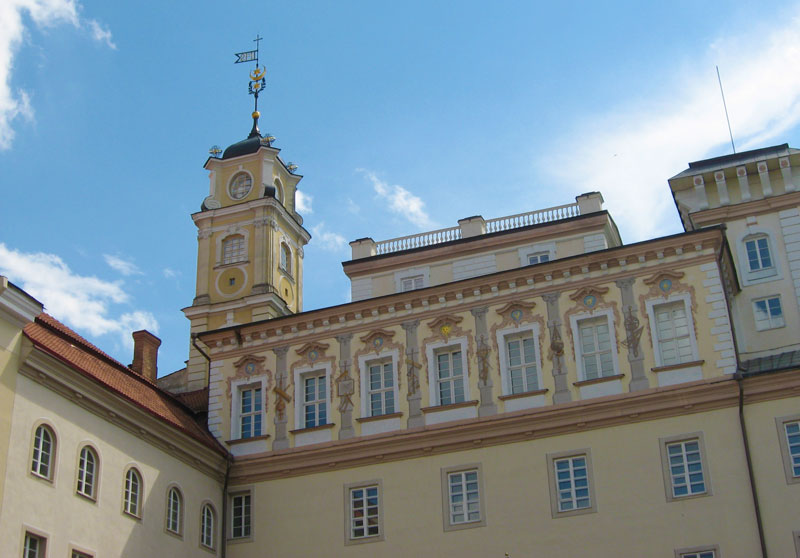
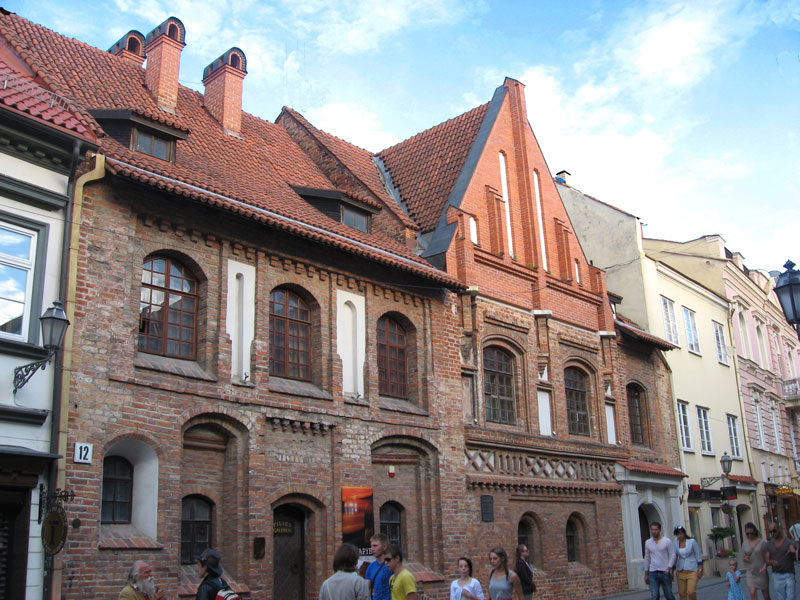
Historic Old Vilnius – the many fac(ad)es therein
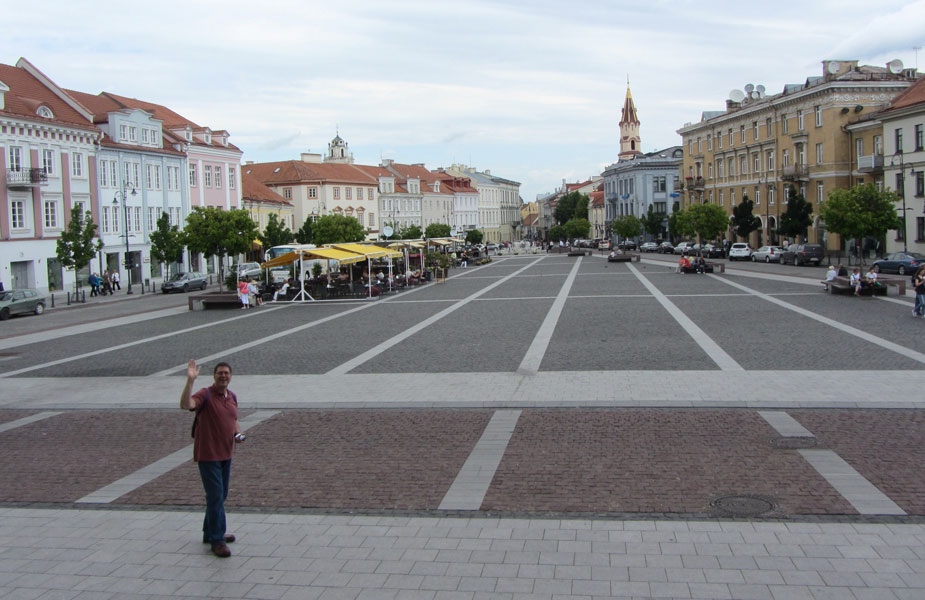
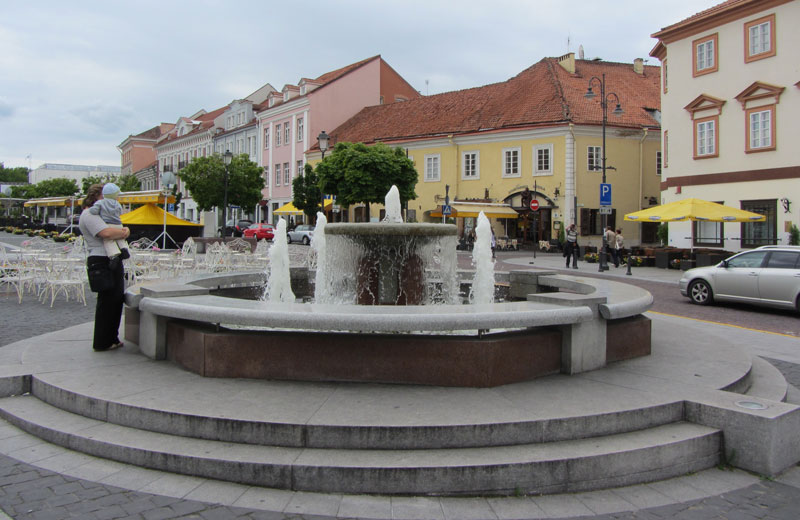
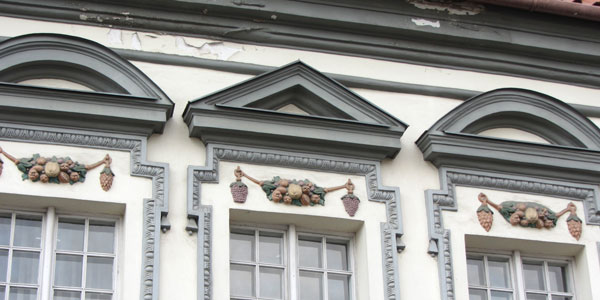
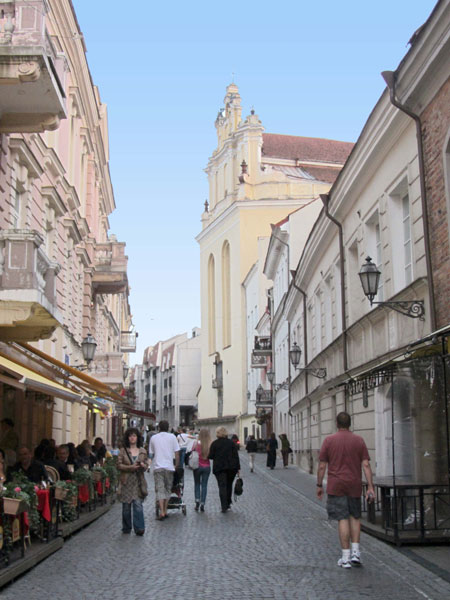
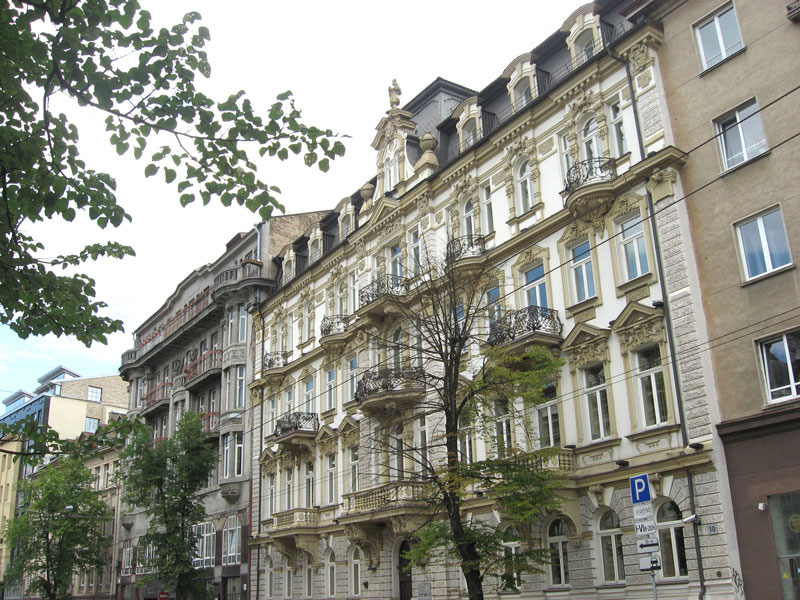
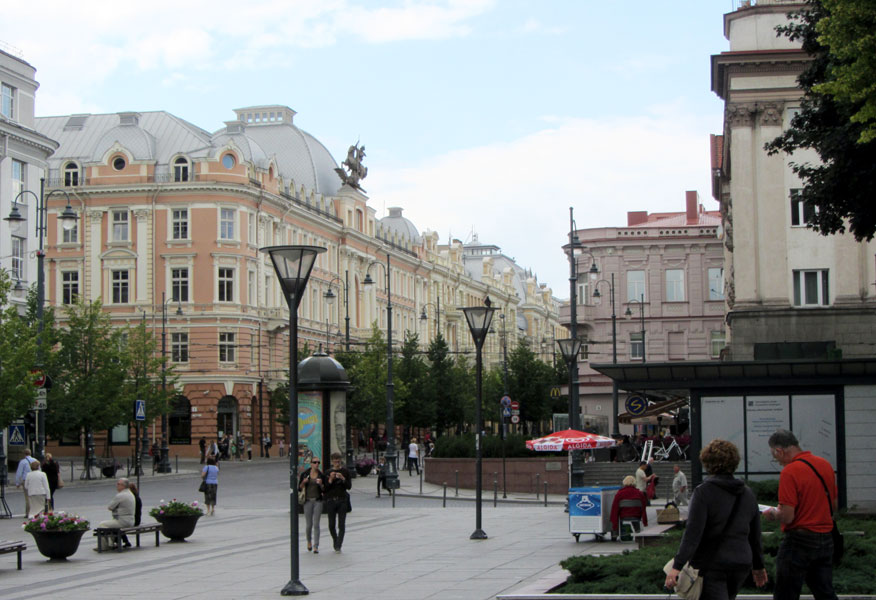
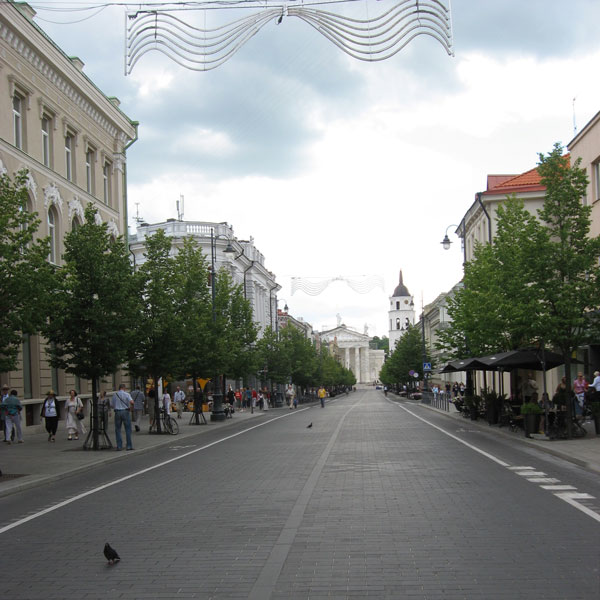
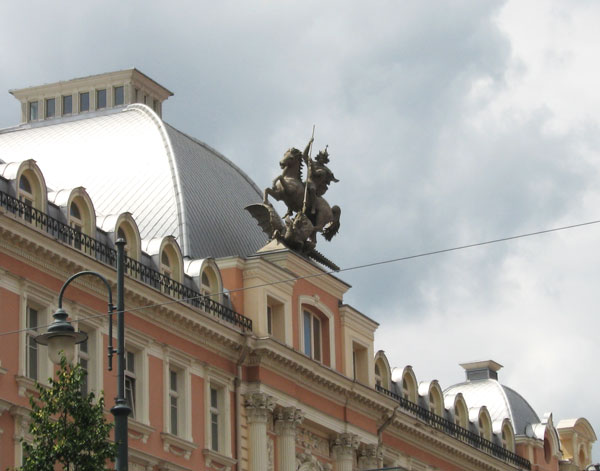
With breakfast done, we set out in the opposite direction from yesterday, making our way to Pilies gatvė (Castle Street), Old Town’s main drag, that led to Town Hall Square. From here, we started following the app’s suggested routes to selected points of interest. But, like a dog spotting a squirrel, we were often distracted by interesting features, street art, architecture, shop signage, posters, etc. as you will see!
Religious Vilnius – in gods they trust
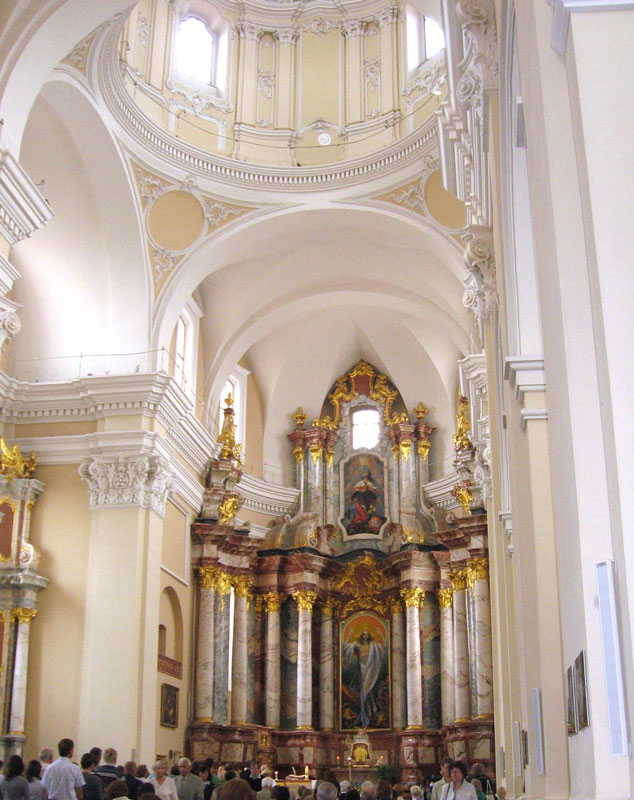
As noted earlier, there are many, many churches in Vilnius. And we visited a few of the more outstanding ones while walking through the Old Town. Being Sunday morning, many of the churches, which are mostly Catholic, were either beginning, ending or smack-dab in the middle of a mass. Rob got a little baptism in random segments of the Catholic liturgy, depending on when we entered the church.
And when you get right down to it, one Baroque church is like another after you’ve visited several of them. So, I will limit your exposure, MDR, by only posting a few pics.
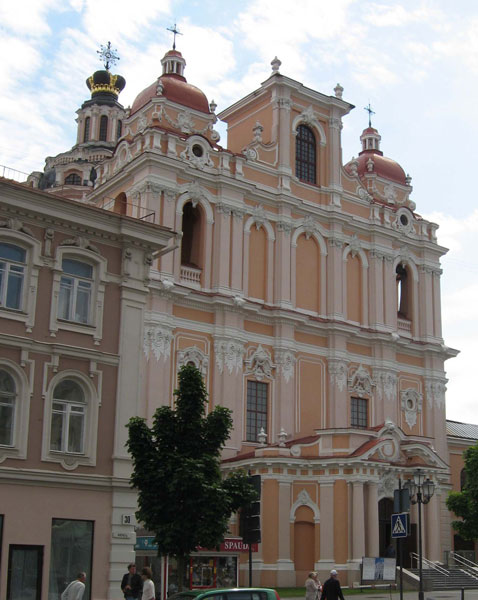
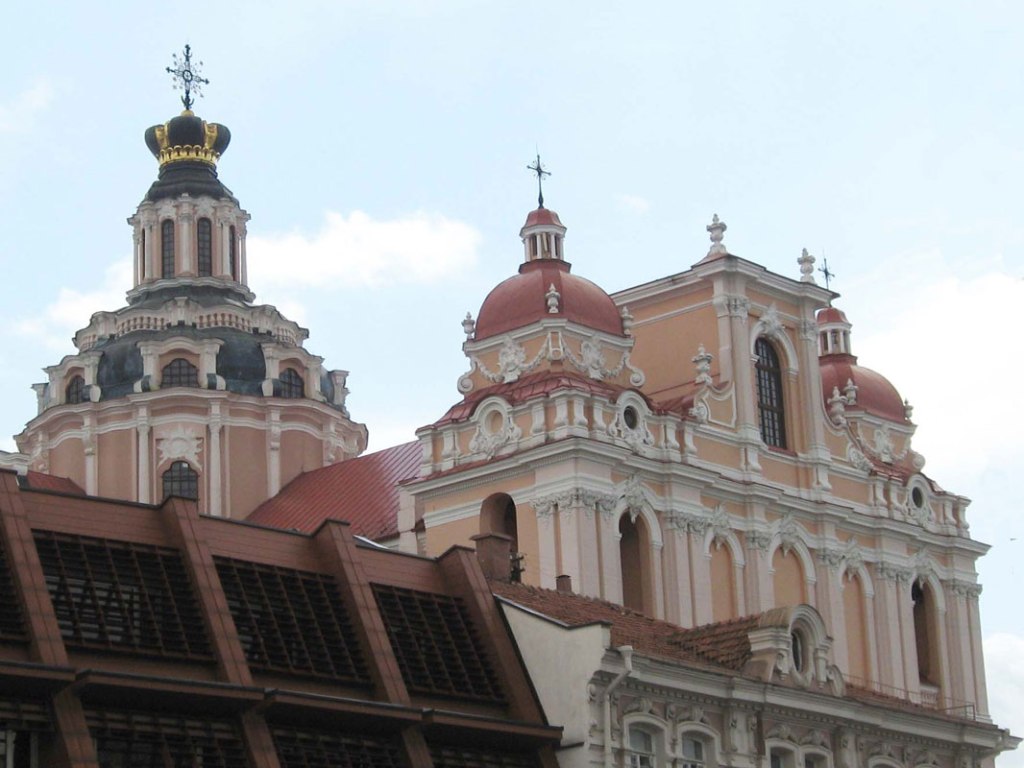
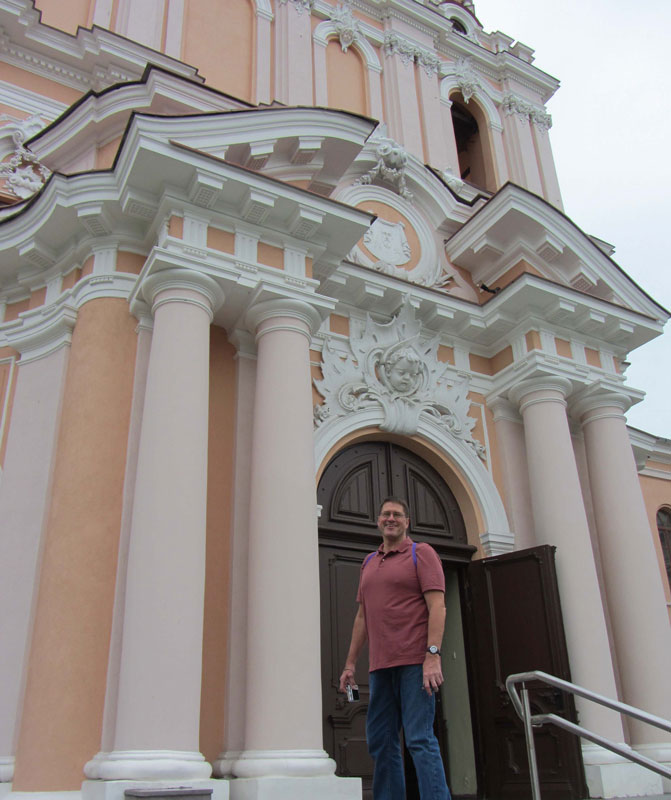
The Church of St. Casimir (below) nicely fills in all the checkboxes for a baroque church plus it is run by the Jesuits. It was the first and oldest baroque church in Vilnius, built in 1618. It shall represent.
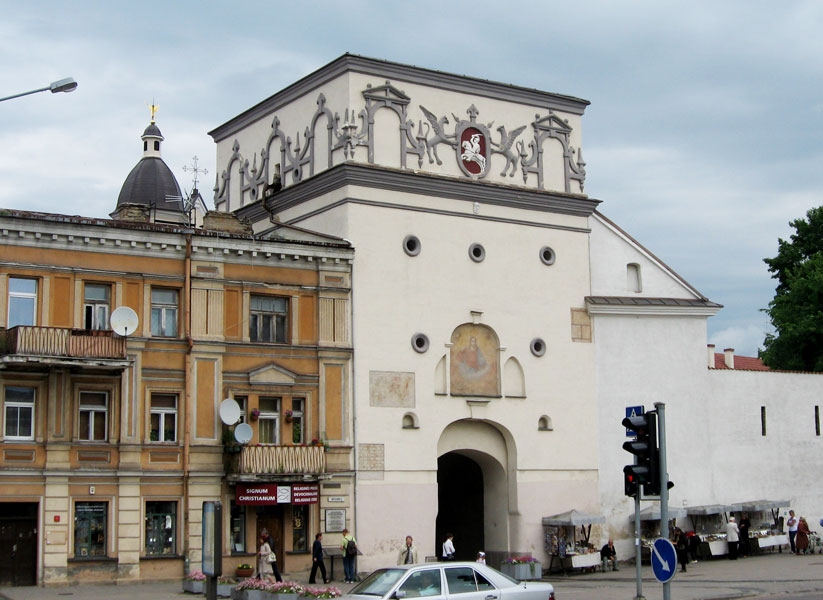
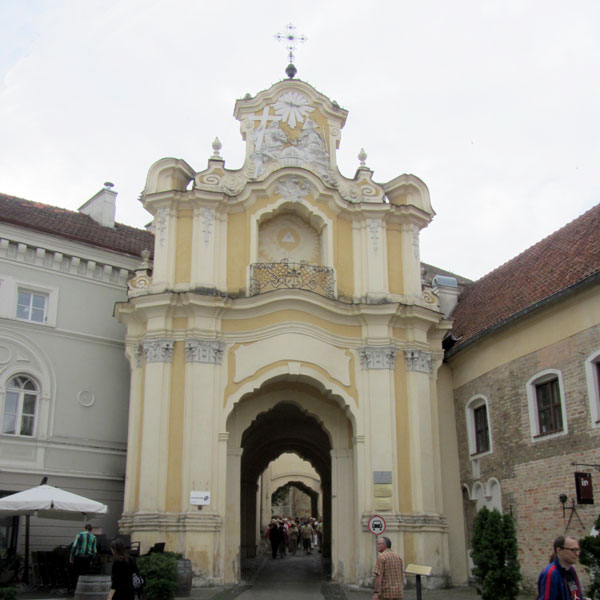
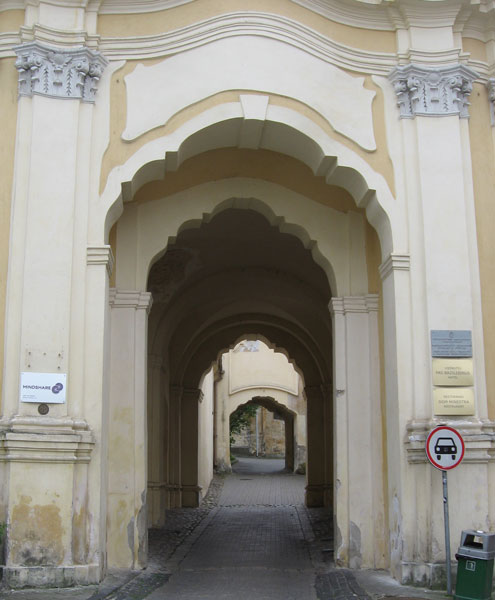
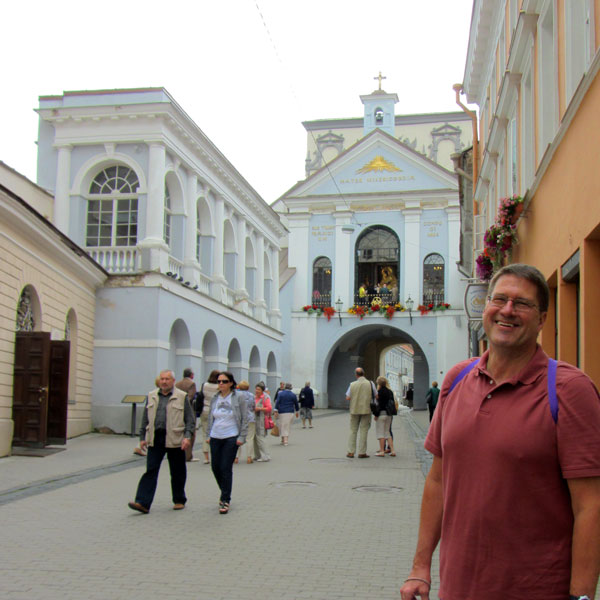
The Basilian Gate (named for Saint Basil) isn’t actually a church at all. But it conceals a whole monastery and all kinds of religious trappings behind its ornate facade and notched arches that draw one to the interior.
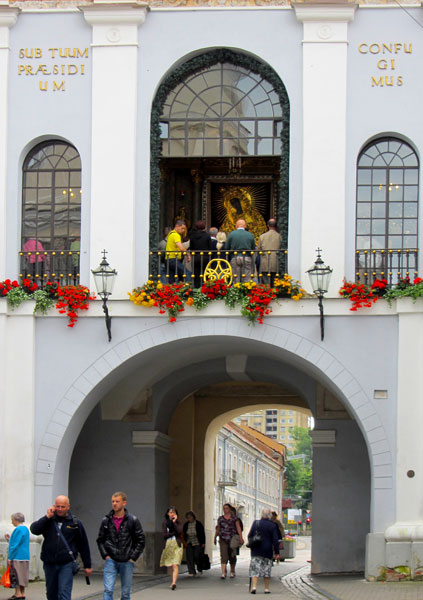
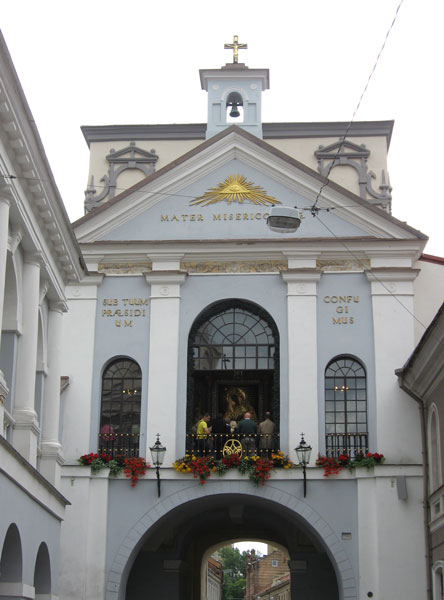
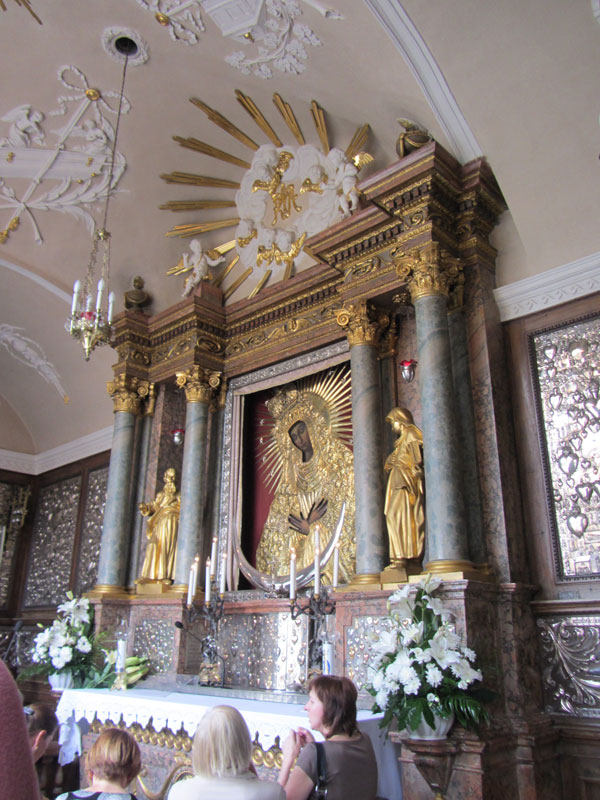
The Gate of Dawn is the last remaining gate of the city’s fortification wall, marking it as an important historical and cultural monument. Today, however, it is better known for its religious connotation because of its chapel containing an icon of the Blessed Virgin Mary said to have miraculous powers.
Historically, city gates often contained religious artifacts intended to guard and protect the city; and legend credits the Lithuanian victory in 1702 over the Swedes on this gate’s icon. Ever since, the picture of Our Lady has been a symbol of the city and an object of veneration for Roman Catholic, Greek Catholic and Eastern Orthodox inhabitants alike.
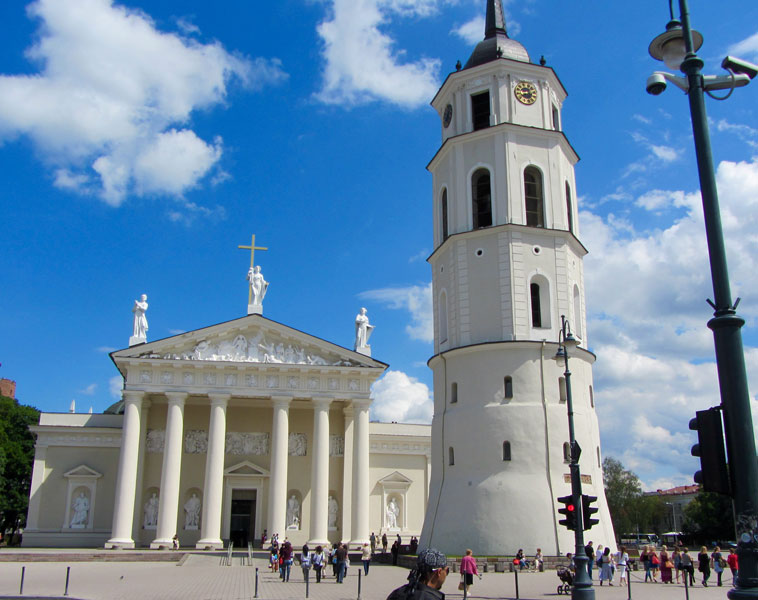
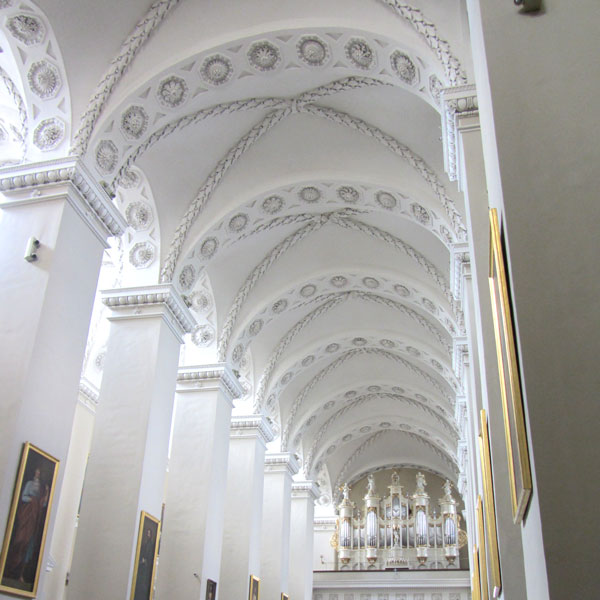
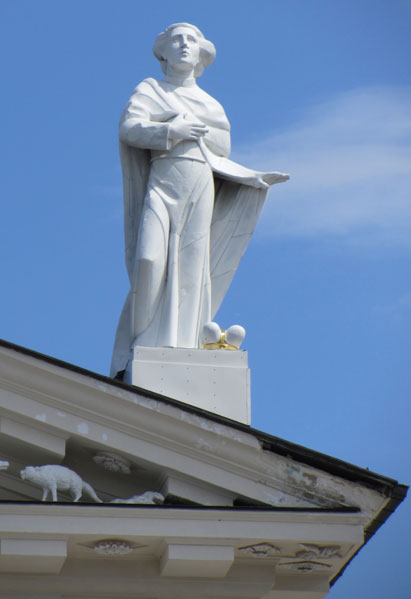
The Vilnius Cathedral — or, fully titled: The Cathedral Basilica of St Stanislaus and St Ladislaus of Vilnius (That’s a mouthful, innit?) — is the spiritual heart of Lithuania. Built on the site of a pagan temple, it has been rebuilt numerous times since the first Christian building was erected in 1251. During the Soviet period, it was used as a warehouse.
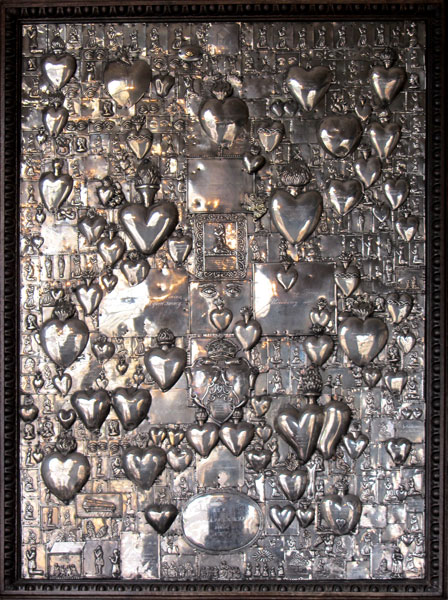
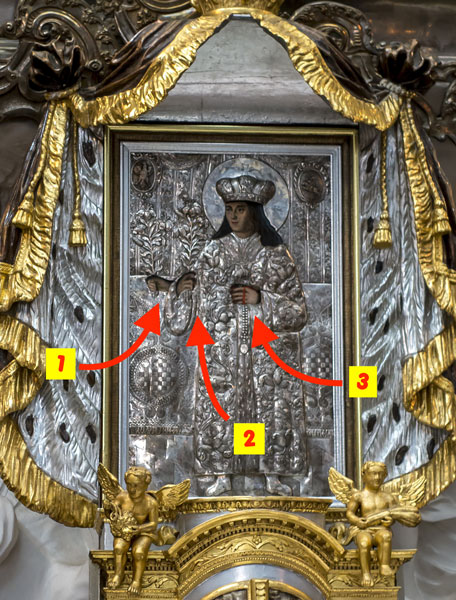
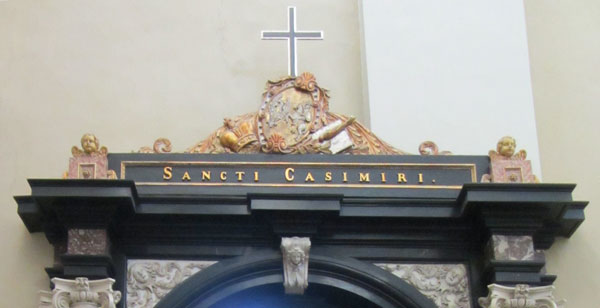
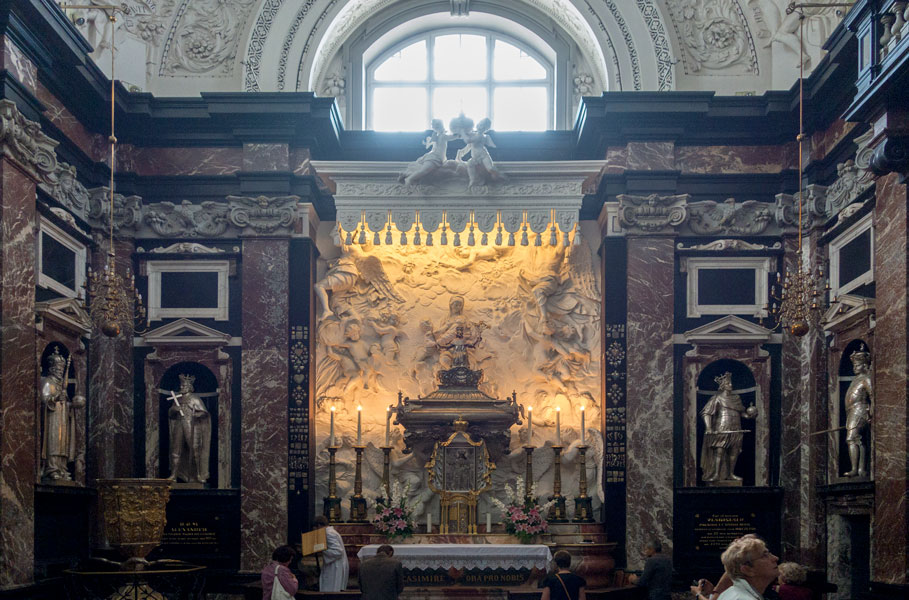
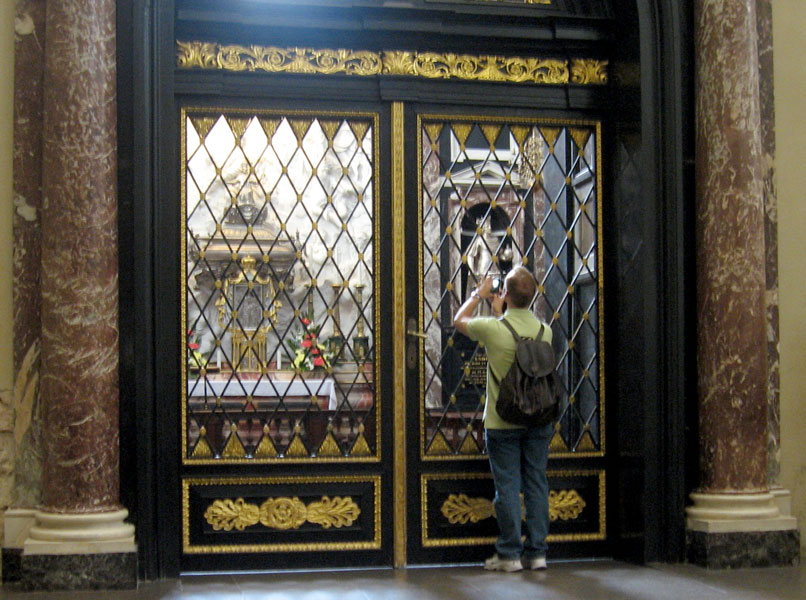
Within the cathedral is the Chapel of St. Casimir, an ornate baroque confection honoring the patron saint of Lithuania. Its centerpiece is a faux marble altar holding the saint’s remains and the supposedly-miraculous painting, Three-Handed St. Casimir. Legends abound regarding the added appendage…but forensics indicate it was an artistic choice.
Unique Vilnius – the funereal, the fantastic and the fun
The Green House Holocaust Museum
“It is a credit to Lithuania that there is one modest oasis of ‘telling it straight’ on the Holocaust… It is at the same time a testament to the right of minorities to their historic narrative. The Green House provides the essential facts about the genocide of Lithuanian Jewry, including the significance of the massive participation of local ‘partisans’. Time and again, it brings directly to the viewer the material from the best sources whether or not they are palatable.” (From an article by Davod Katz)
Unless you know what you’re looking for and have scoped out the route beforehand, it is not easy to locate this tiny museum. Directional signs are almost non-existent, another way the ultranationalists are obfuscating if not erasing the truth behind the Lithuanian peoples’ participatory guilt in the murder of the Litvaks.
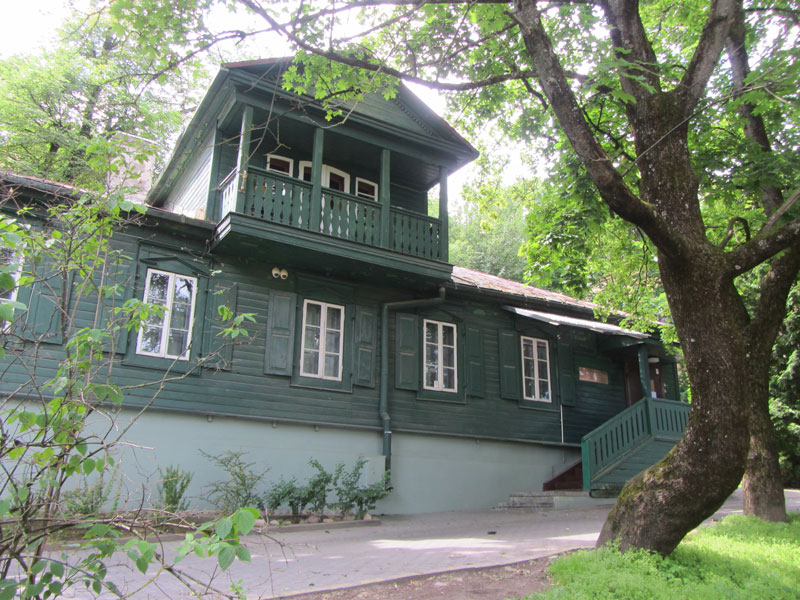
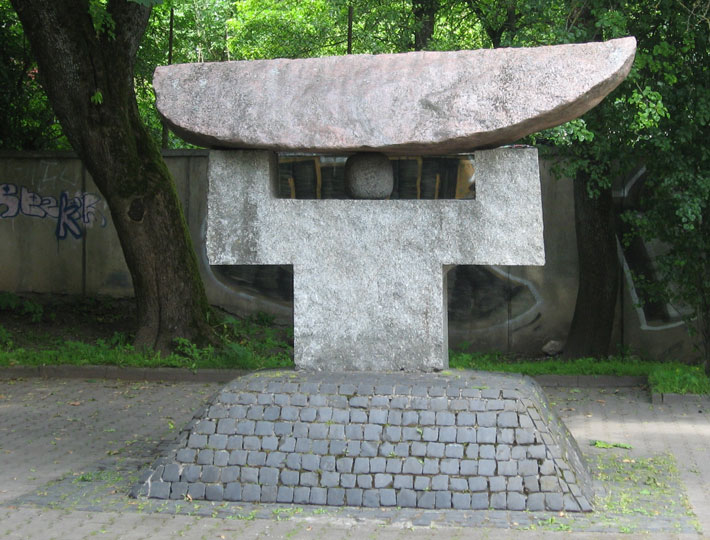
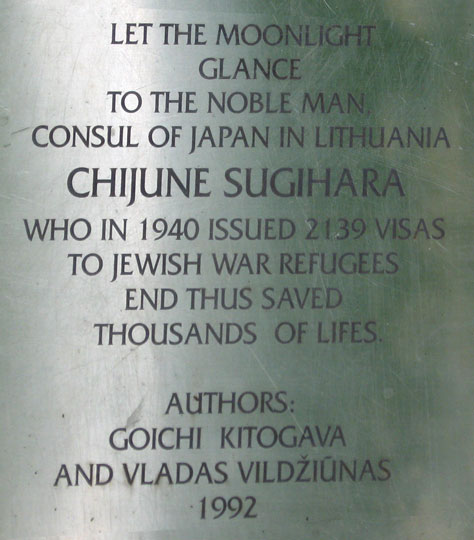
Frank Zappa (Car) Park
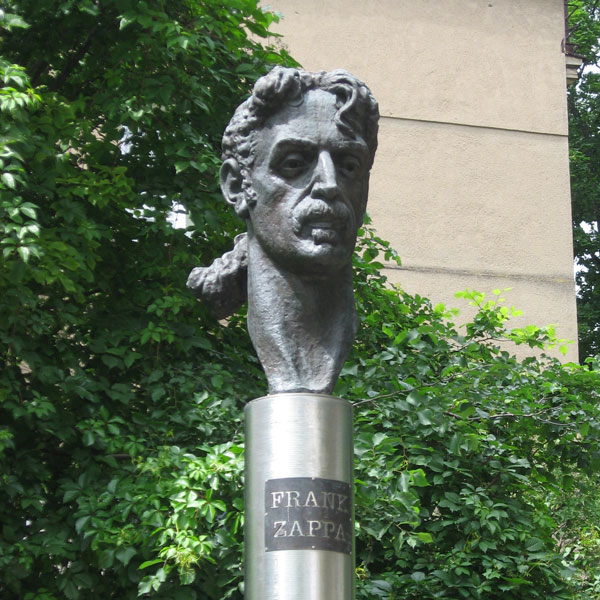
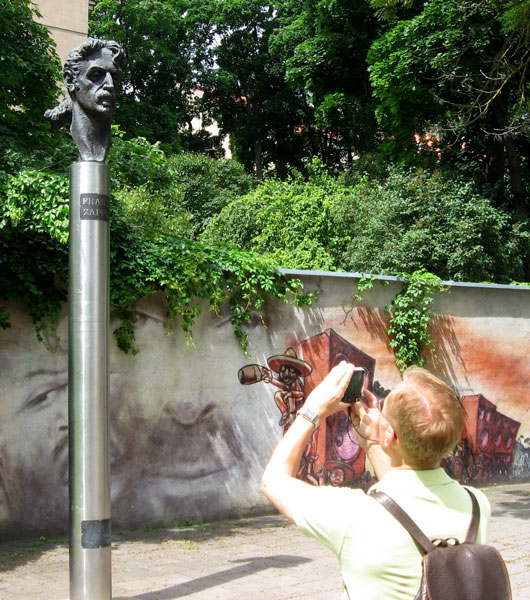
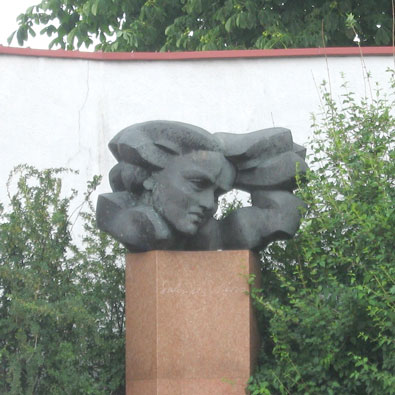
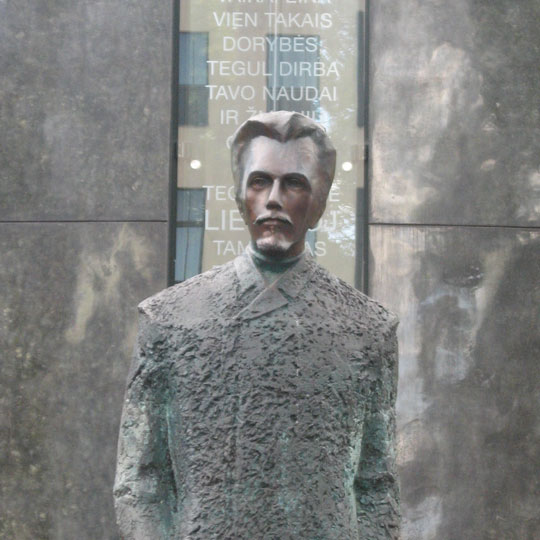
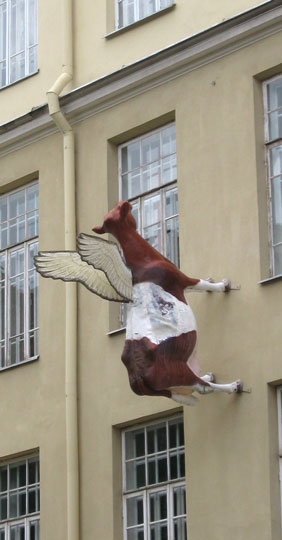
Statues, Public Art and Architectural flourishes
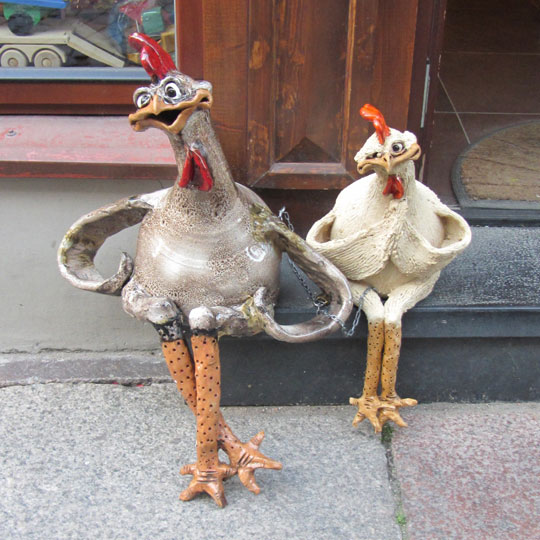
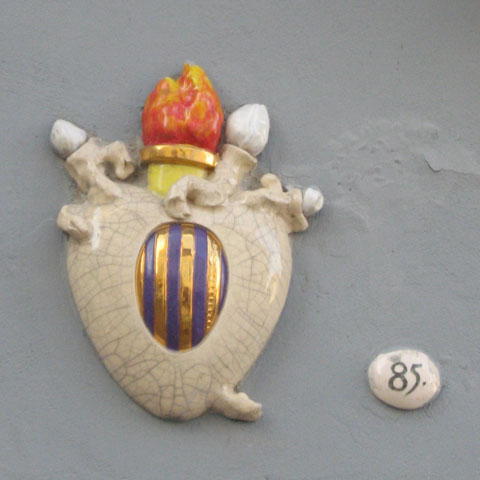
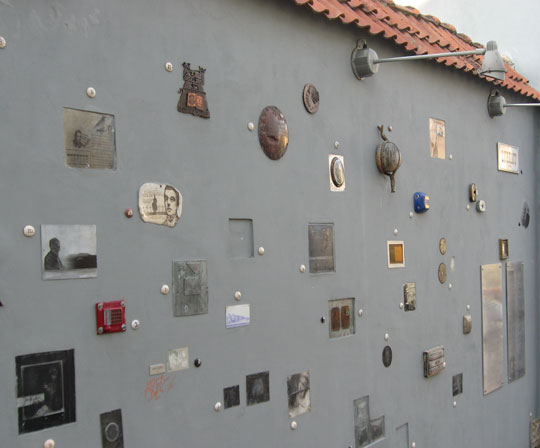
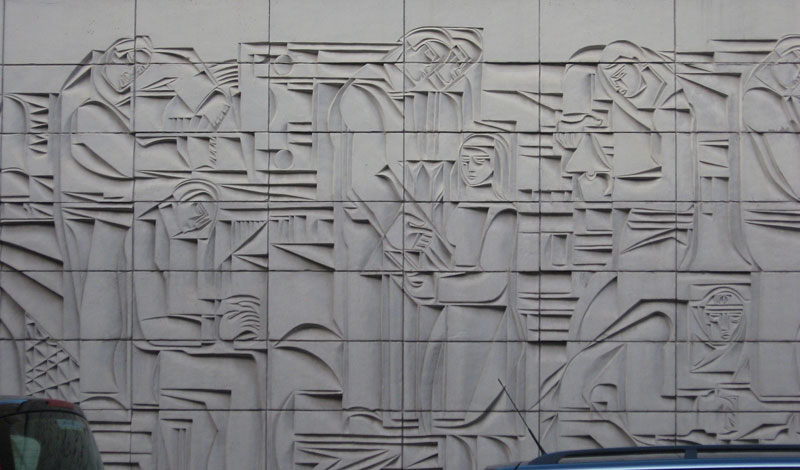
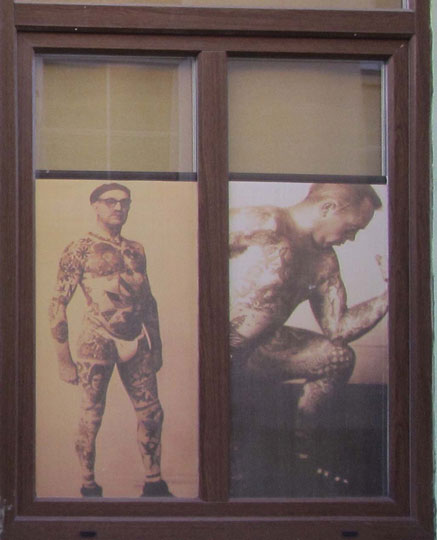
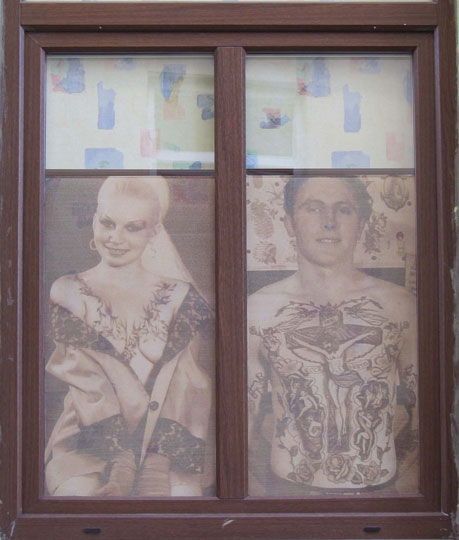
Tattoo art on display
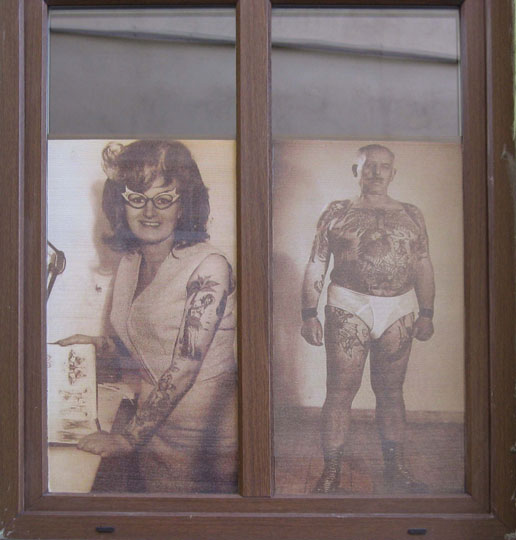
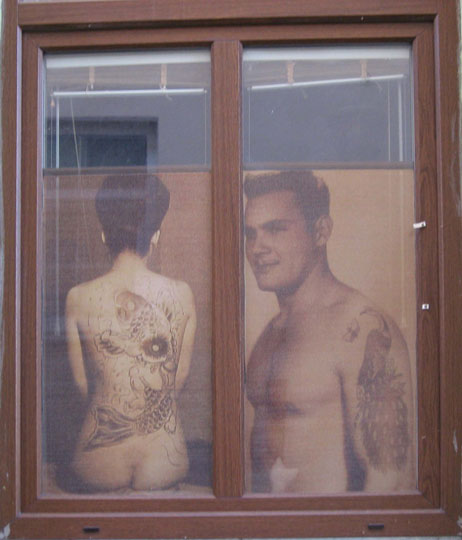
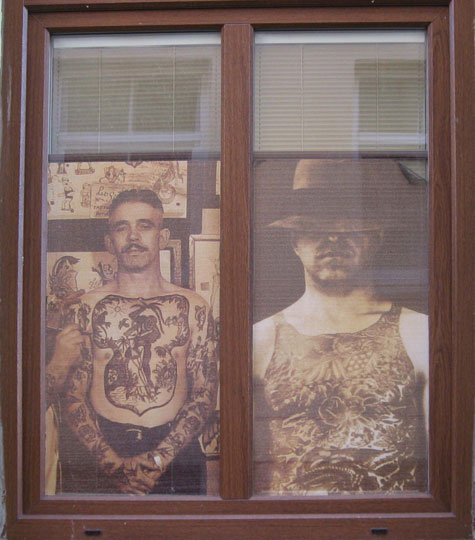
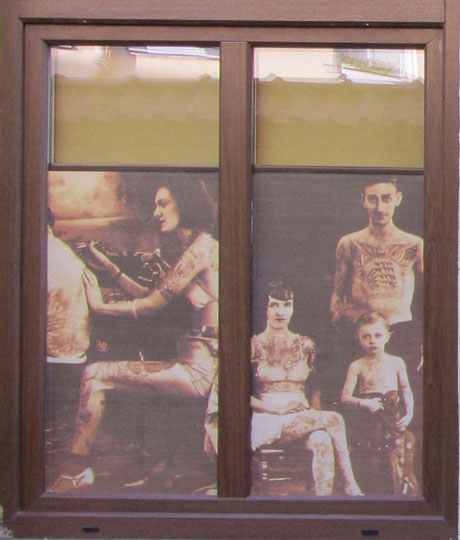
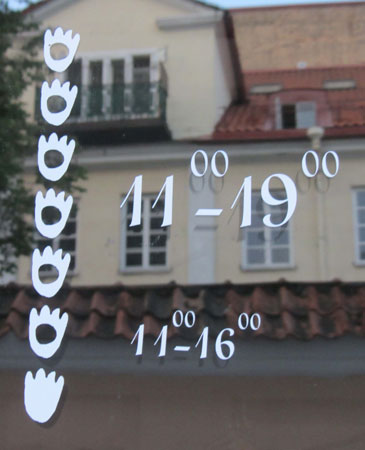
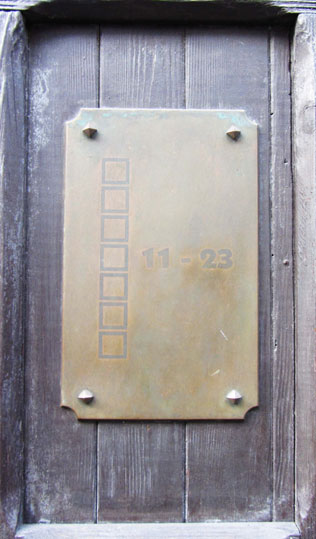
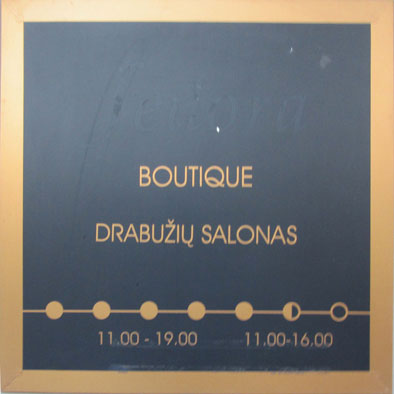
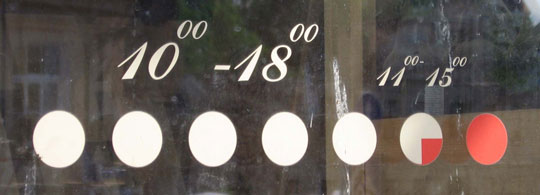
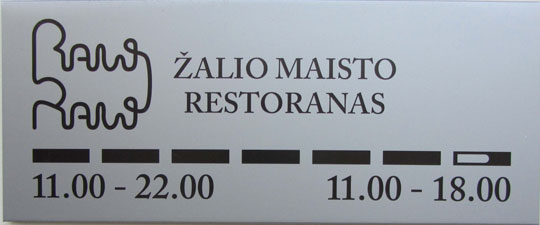
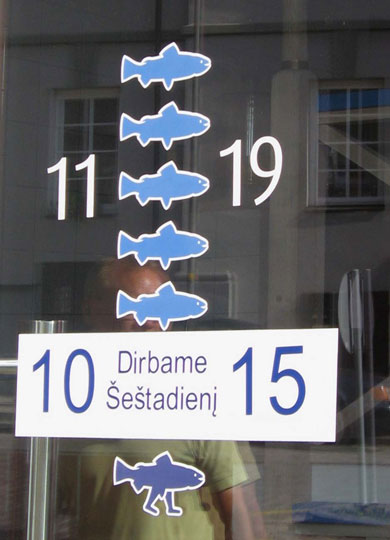
“Are you open?”
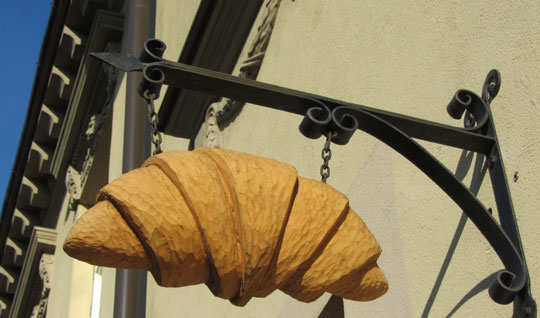
We were fascinated by the many creative ways that Vilnius shopkeepers advertised their hours of business. And this was but an introduction. As the trip continued, we saw more and more innovative ways of getting the message across without words. Of course, sometimes a brand name itself triggered a chuckle.
Soviet Vilnius – the last vestiges
The Green Bridge
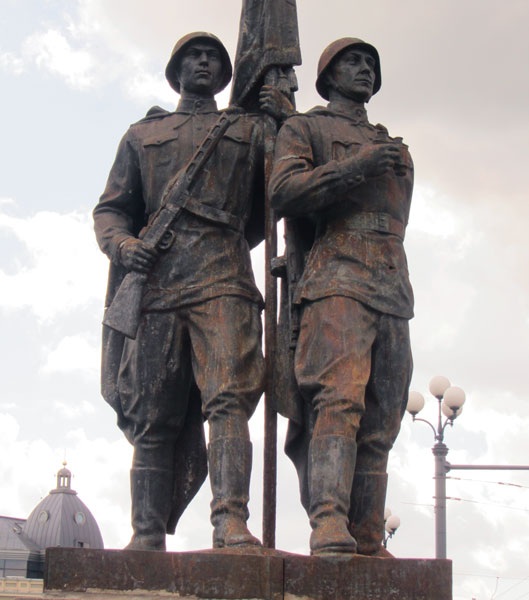
The Green Bridge, still intact when we visited, was one of my favorite sites. Maybe it’s because I was looking for Soviet remnants in a country that has worked feverishly to scrub itself clean of them. We, as American citizens, can never really comprehend the deep feelings harbored within Lithuanians who lived under the oppressive sway of the Soviet hammer and sickle. Our nation, as a nation, has never been under the thumb of another nation. But that does not exonerate the USA. Our history of oppressing “different” or “inferior” peoples within our own borders is as wrong as the actions perpetrated by the Russians, the Nazis and the Bolsheviks throughout Lithuania’s existence.
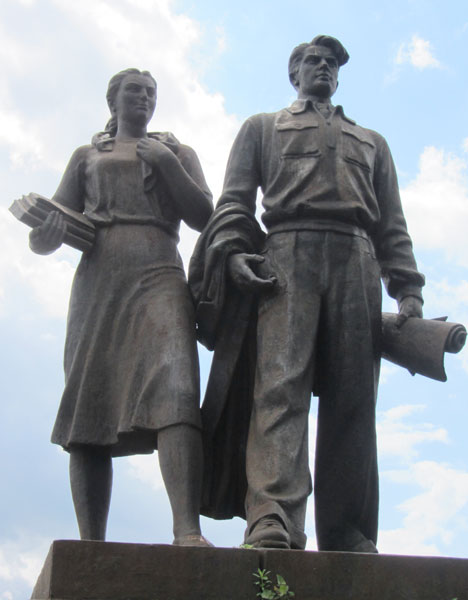
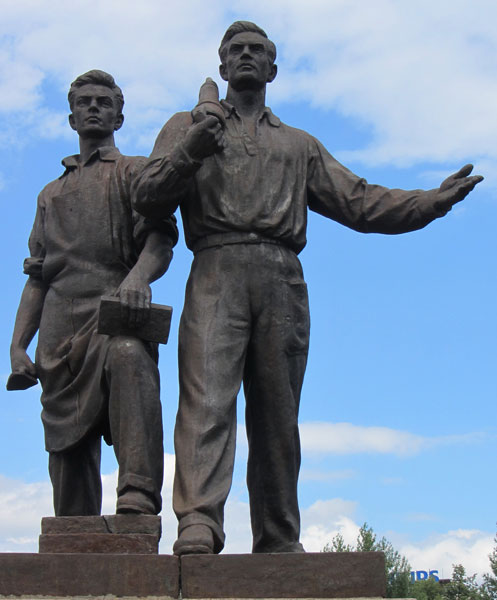
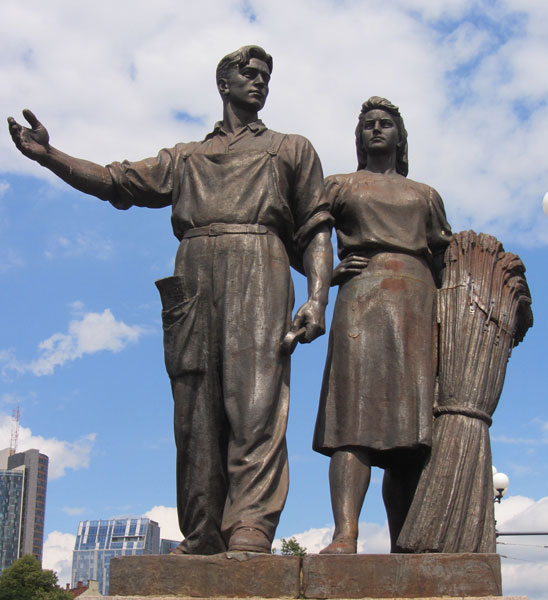
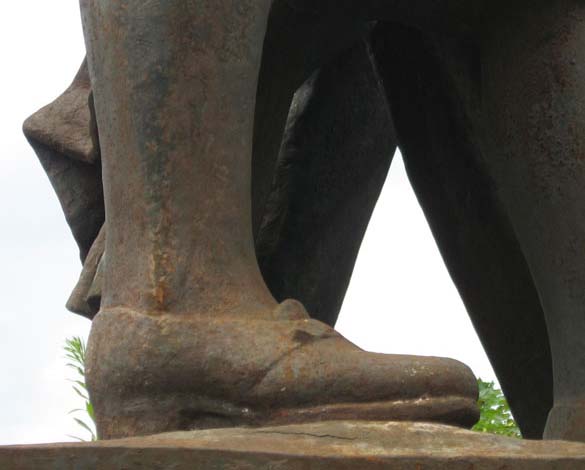
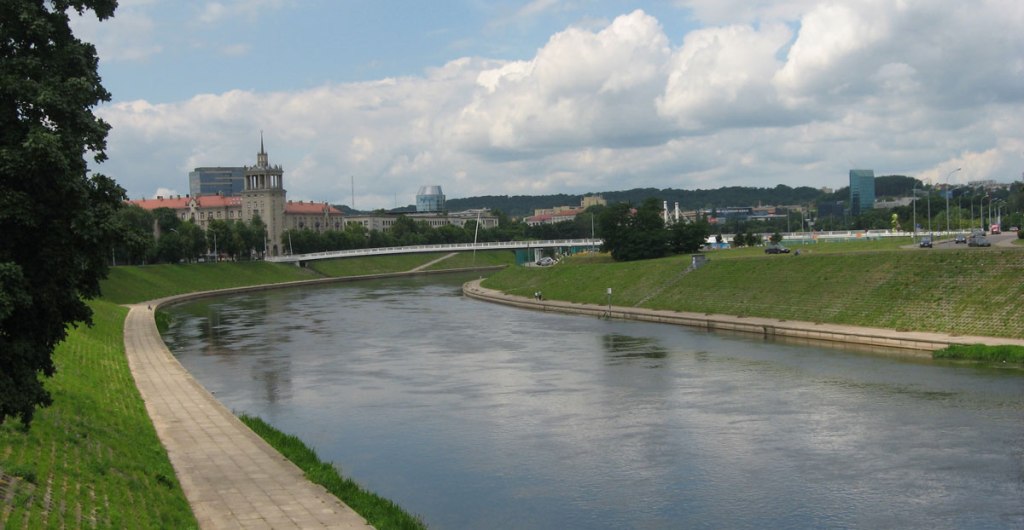
But back to the bridge: it crosses the Neris River from the Old Town to the New Town. Each end of the bridge had two sets of monumental statuary honoring the major social groups of the Soviet period: industrial workers, peasants, students and soldiers. This was the only Communist memento we found remaining in central Vilnius. (I, of course, had a special affinity for the sensible Soviet shoes sported by the female student.)
Since the fall of Communism, there have been two opposing camps regarding the fate of these statues. Were they art? Or just Soviet propaganda? I have since learned that they were removed in 2015 for “repair” due to corrosion. This action was not without controversy. Russian-speaking Lithuanians got upset, considering them part of their “Lithuanian” history. The mayor’s reply was succinct: “The statues represent a lie. Their heroic portrayal of the Soviet people – that is all a lie … The statues are a mockery of the real people who had to live during the Soviet period.” Later, it was announced their removal was permanent.
I suppose the nearest equivalent to this in the United States is the dismantling of post Civil War monuments erected under the guise of honoring war “heroes” when their true raison d’être was as an affront to and the continued oppression of the formerly enslaved populace that the war freed.
Europe’s independent art republic
Užupis
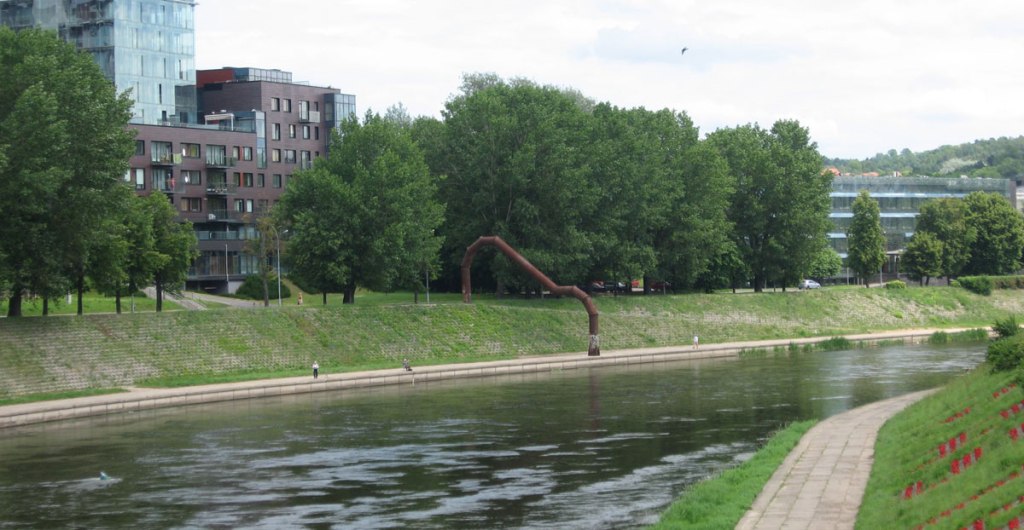
What a find! “Across the river” lies the Užupis Republic, a self-declared independent “nation” whose constitution is written out on mirrored panels in numerous languages to ensure that their message is clear to all.
This is one of Vilnius’s oldest neighbourhoods, dating back to the 15th century. Throughout history, Užupis was inhabited by Jews, helping Vilnius become known as the Jerusalem of the North. During the Soviet era, Užupis went to ruin. Its thriving Jewish community had been massacred by the Nazis & their Lithuanian collaborators, leaving swathes of abandoned housing that fell into disrepair.
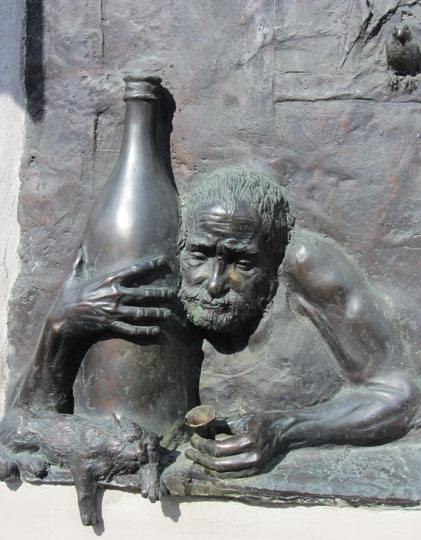
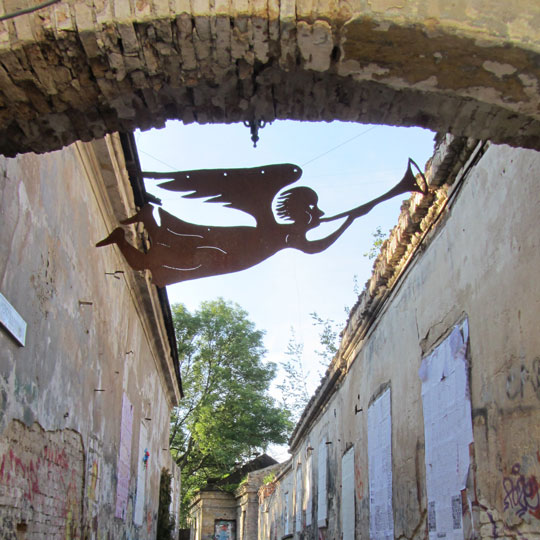
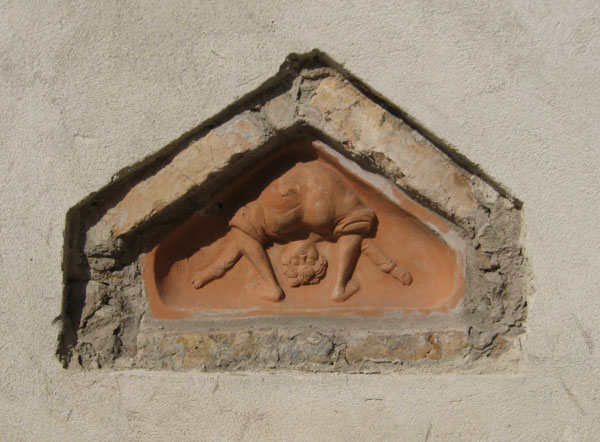
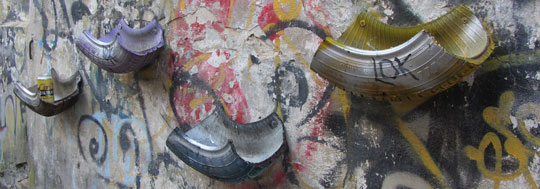
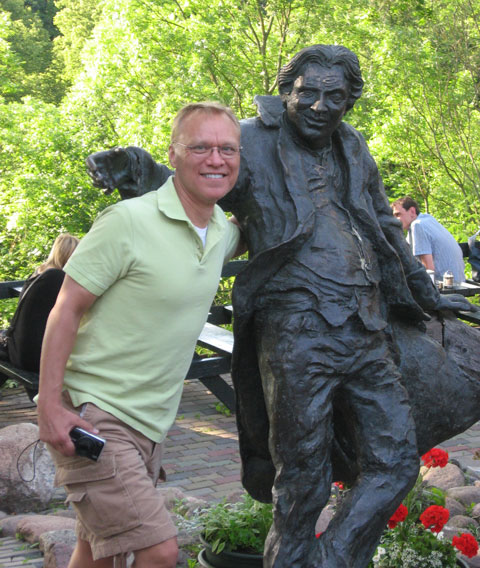
Enter artists looking for low-cost (or no-cost) digs in which to squat, create and thrive. As can be seen, they left their marks throughout with artistic flourishes at every turn.
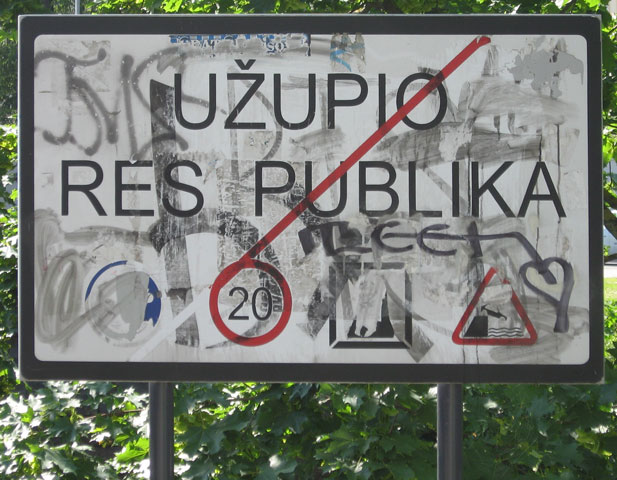
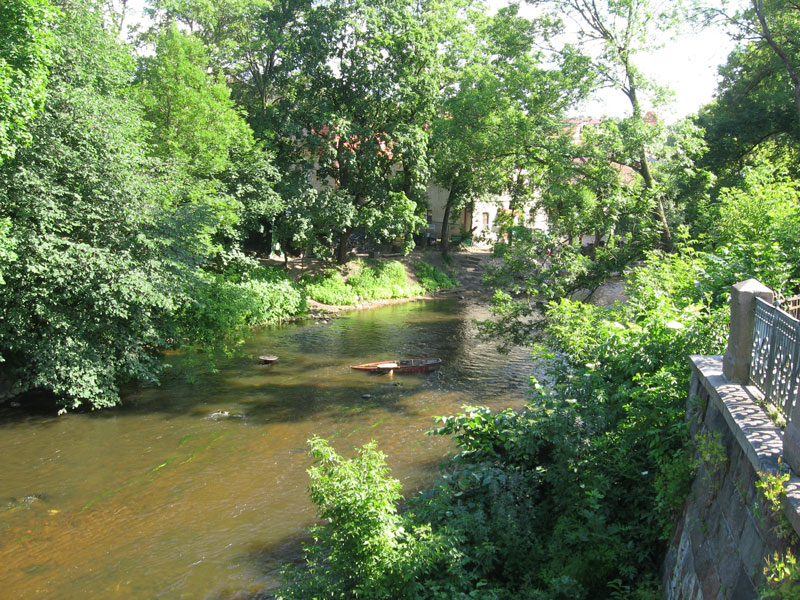
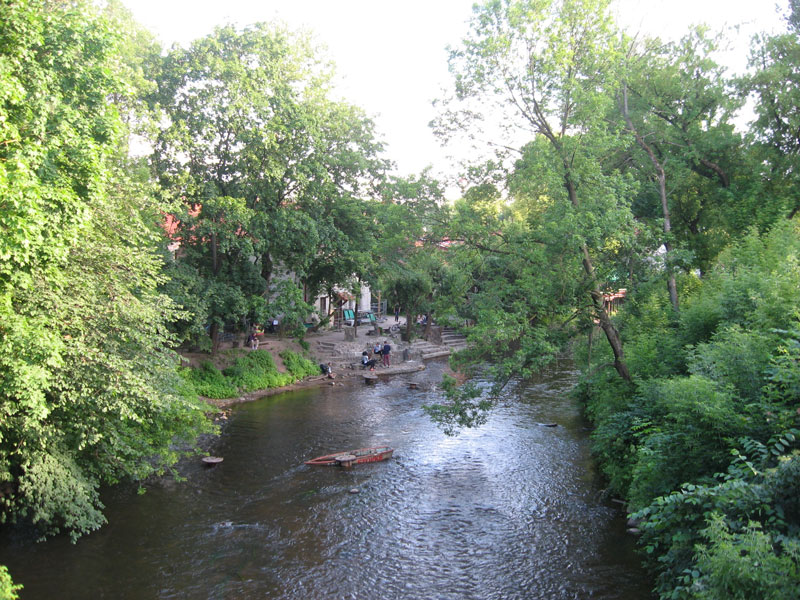
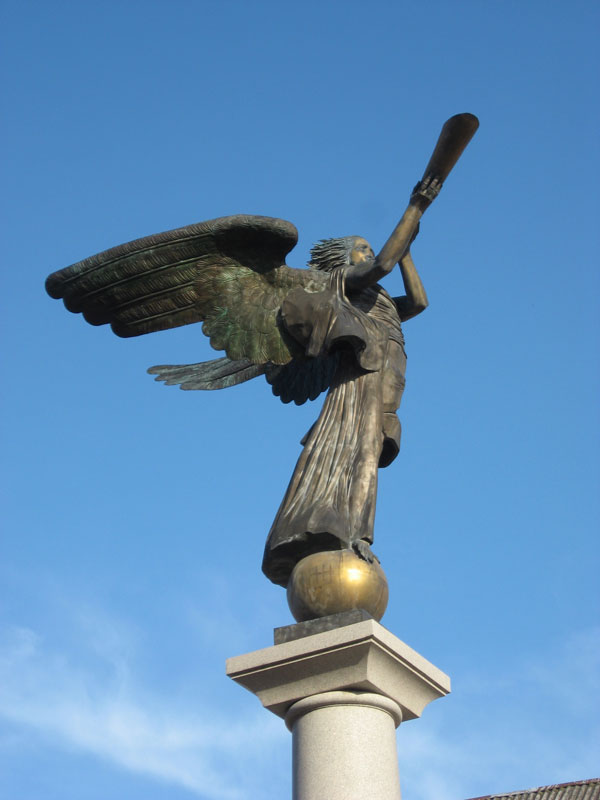
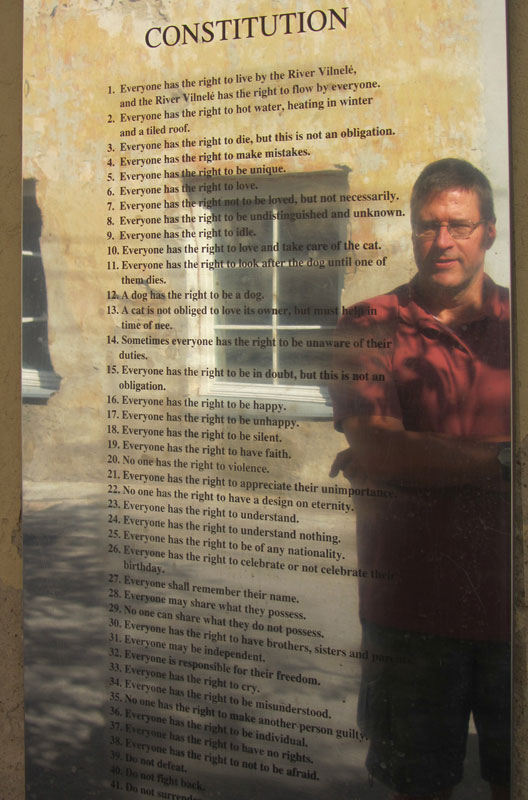
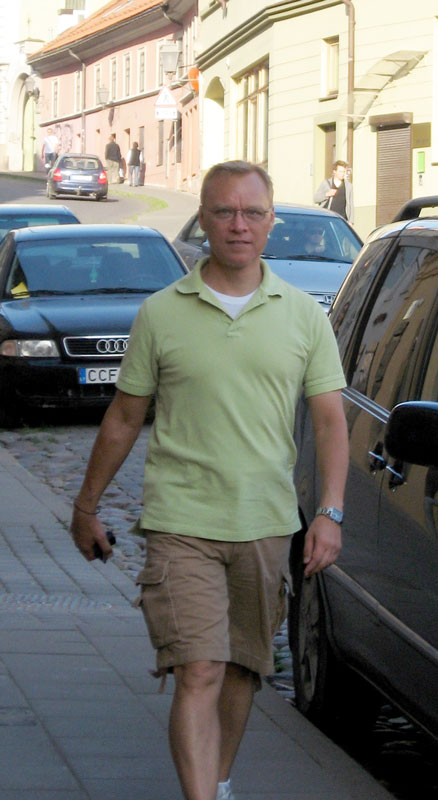
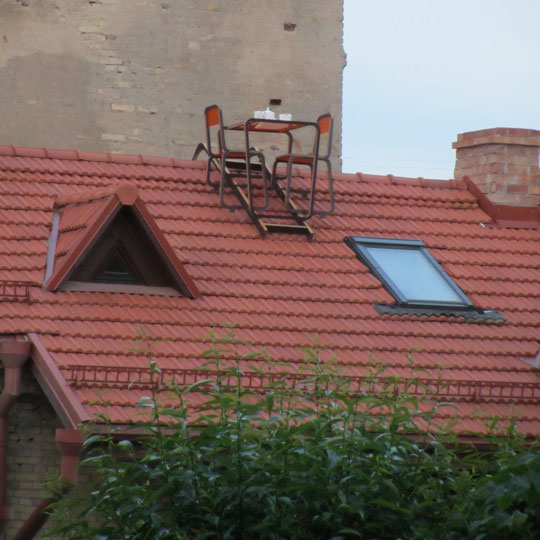
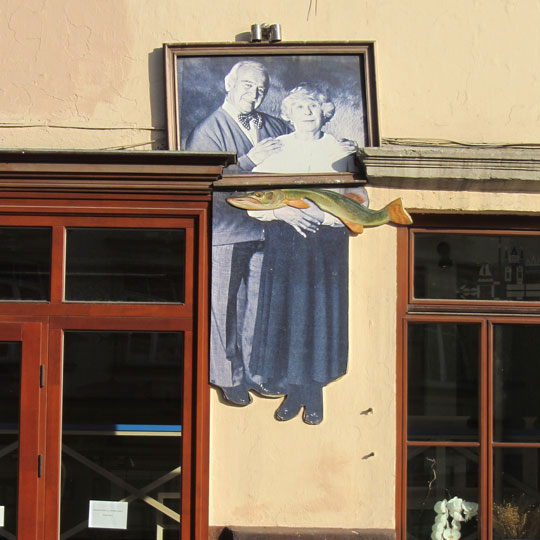
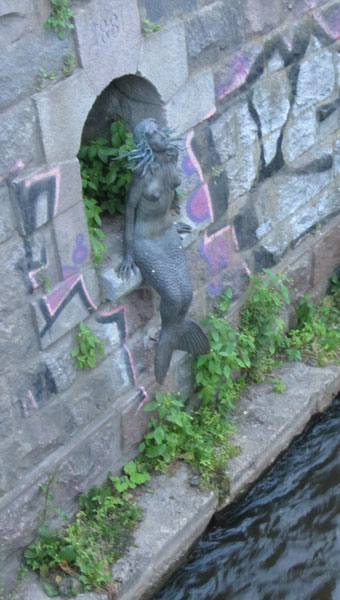
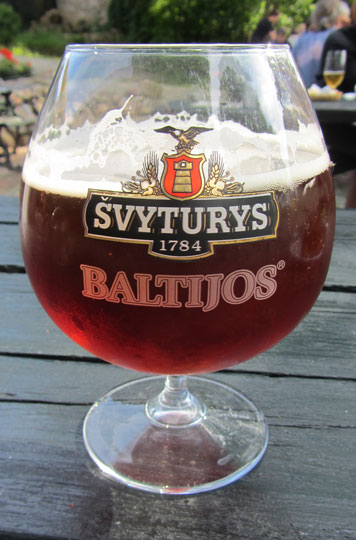
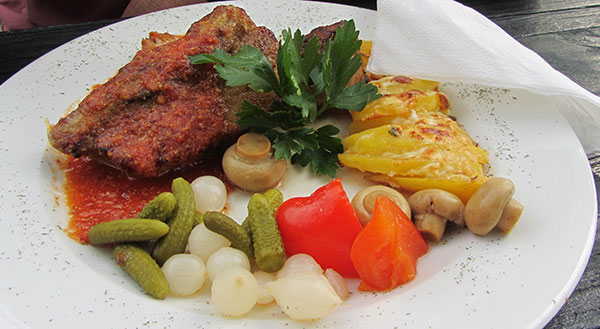
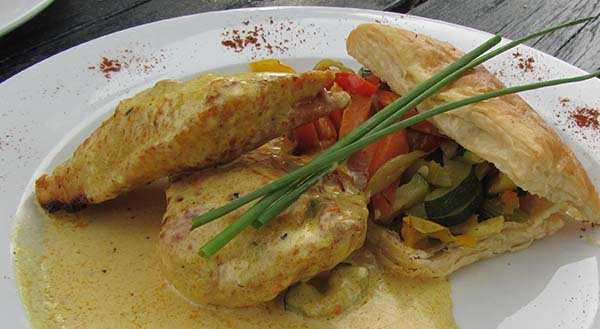
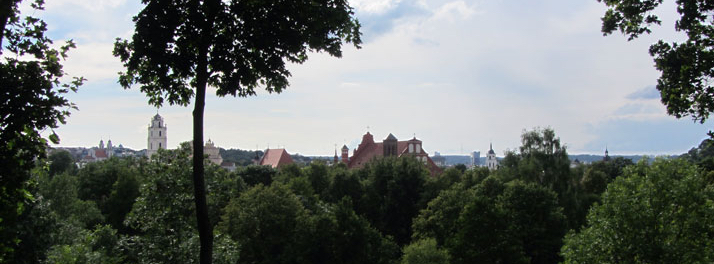
Continuing our exploration of Užupis, we found a restaurant with a terrace overlooking a hidden ravine carved by the Vilnia river below. Choosing a railing-side table with a view, we enjoyed dinner at the Tores Restaurant.
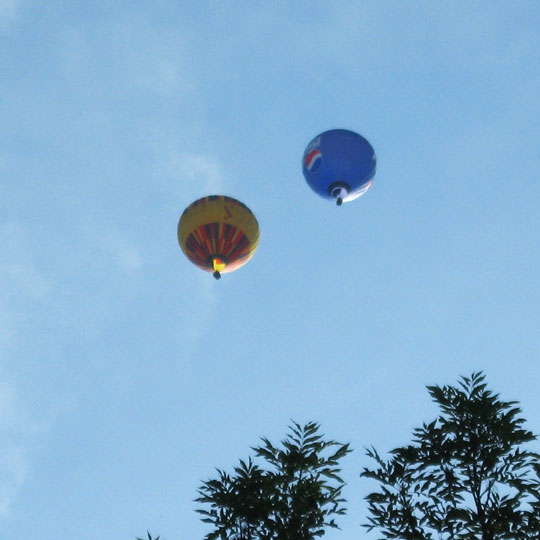
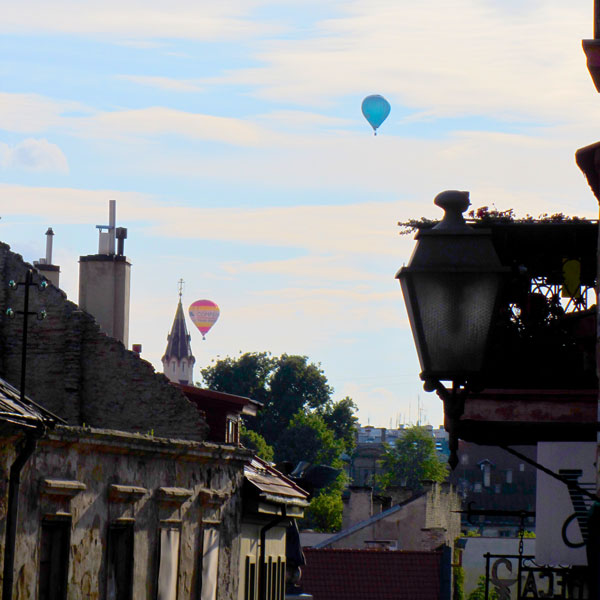
Balloons Over Vilnius
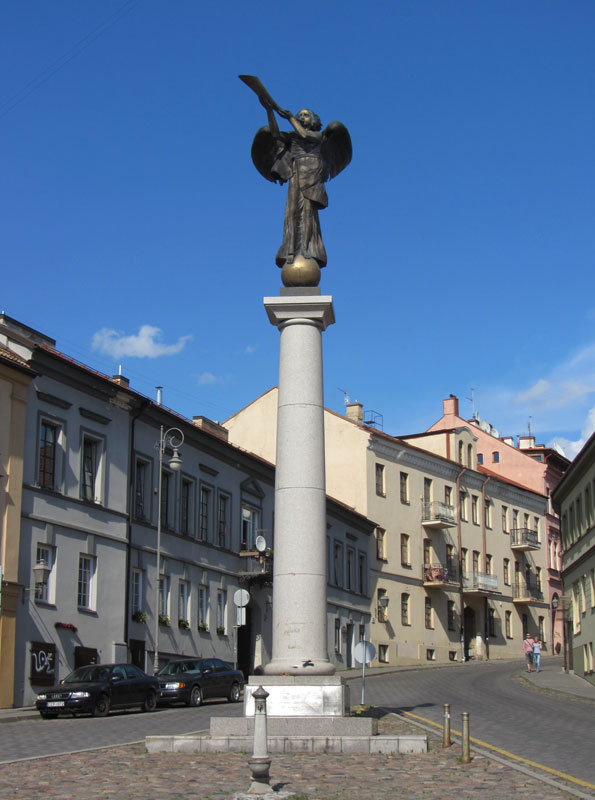
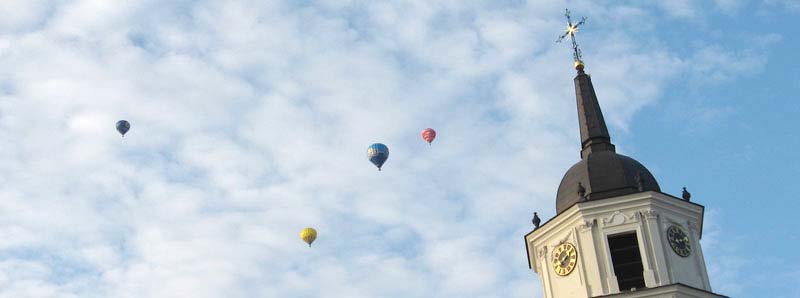
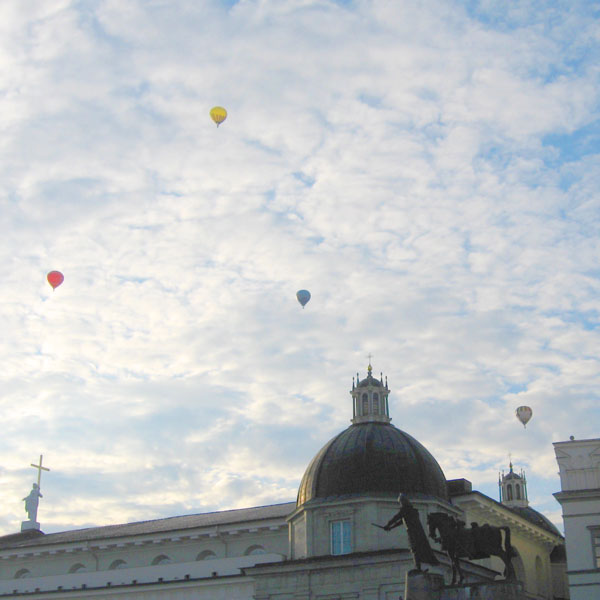
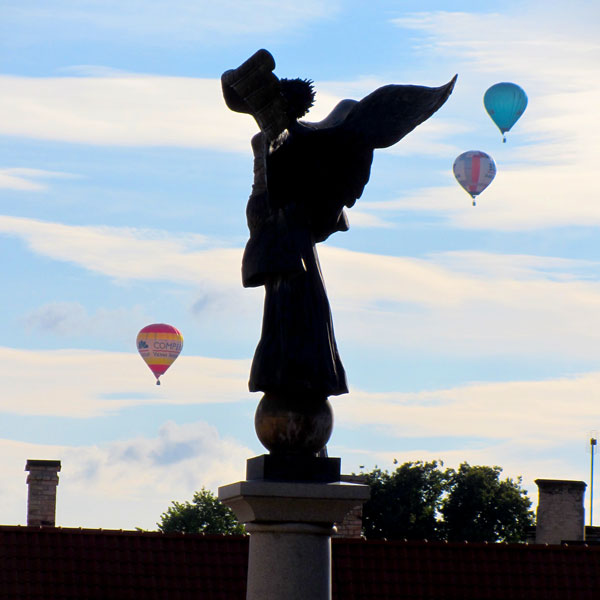
Leaving the restaurant, we headed downhill towards the Angel of Užupis column when our eyes were drawn to the sky. It was filled with multi-colored balloons floating over the city giving dangling baskets of tourists a bird’s-eye view of the Lithuanian capital. We paused. We smiled. (We took pictures.) And we conjured up memories of our own experience in a hot air balloon over Luxor in Egypt just last year.
Love Locks
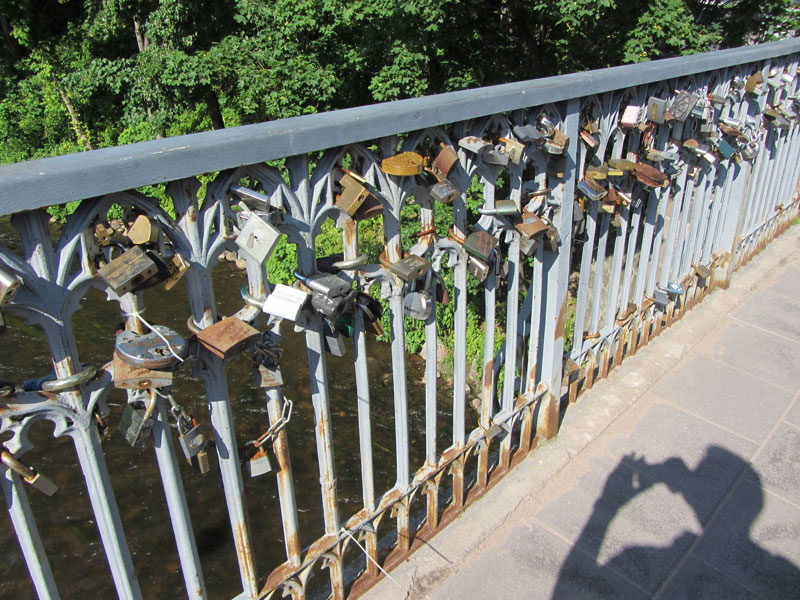
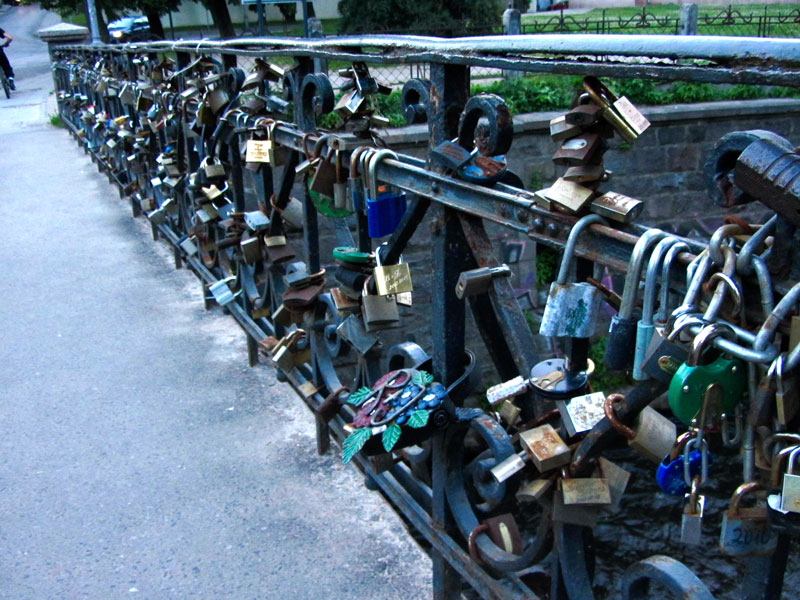
We continued our descent to the watery demarcation line of the river separating the artistic enclave from the city. We left the “Republic,” by crossing the Vilnia River via the locks-laden bridge we had seen earlier and found so curious. I would eventually ask Aida about it and was informed that the locks are symbols of a couples’ love–their names and often a date are written or etched on them — and, after securing them on the bridge railing, the key is tossed into the river, signifying their love is locked forever.
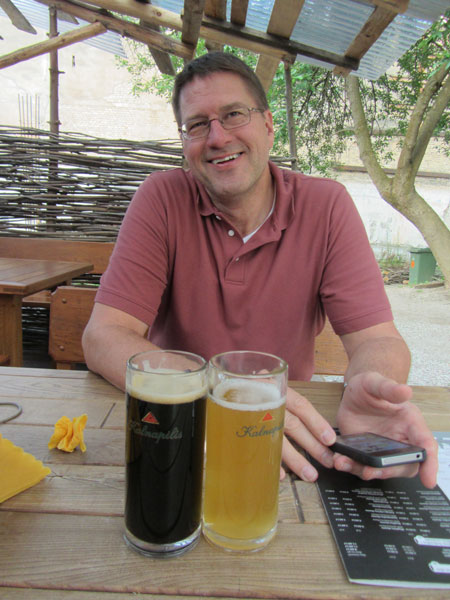
The Būsi Trečias beer garden with a Kalnapilis nightcap
After a busy day criss-crossing the city from the old town to the new and back again, we stopped for a beer before heading back to the hotel for the night. Tomorrow, we’ve a half a day to ourselves before the rest of our tour group arrives.
 Our Baltic Adventure