
Freeways are pretty much the same the world over. Maybe the speed limit signs in the rest of the (metric) world morph from rectangles to circles and the units of speed are 60% bigger when in kilometers. But an expressway is an expressway and a convenient if boring way to get from point A to point B. Fortunately for us, OATS spiced up the trip with a couple of fascinating stops along the way. Our first stop?
The Lithuanian Outdoor Folk Museum in Rumšiškės
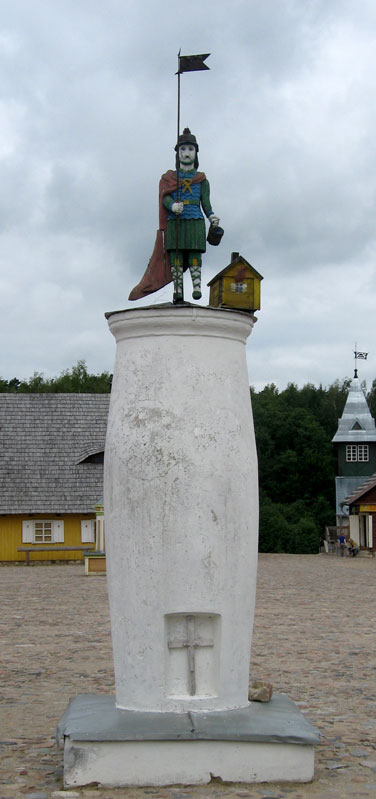
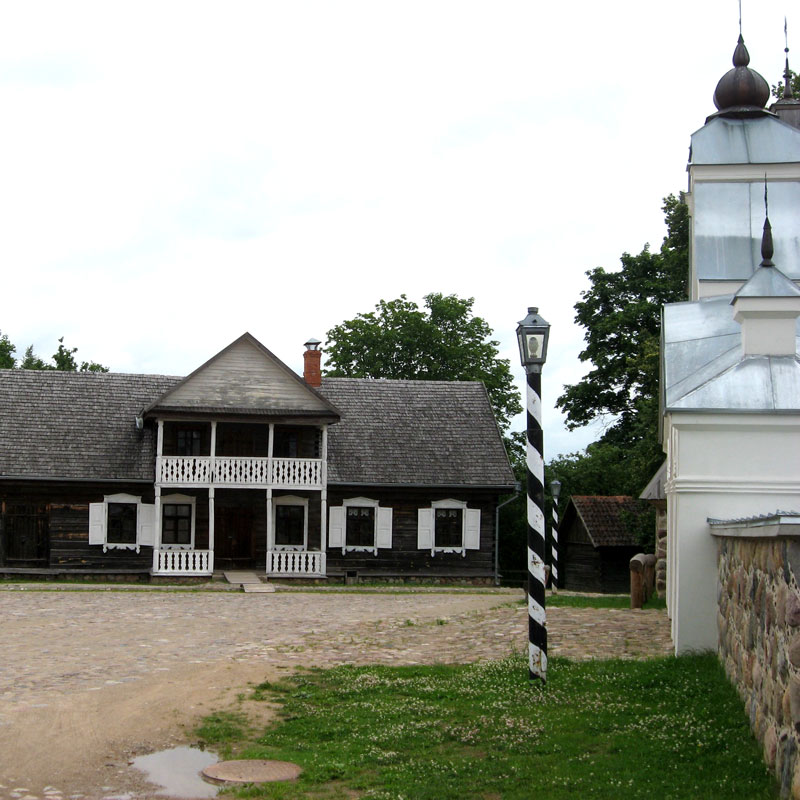
The park’s exhibits represent the five different ethnographic regions of Lithuania. Houses were moved here and decked out with furnishings appropriate for the region and period trying to be represented. This included using trees, flowers and plants native to the depicted region. A “typical” village was created with buildings brought here from all over the country. And there was an area dedicated to one of the darkest times in Lithuania’s history, the Stalinist deportations.
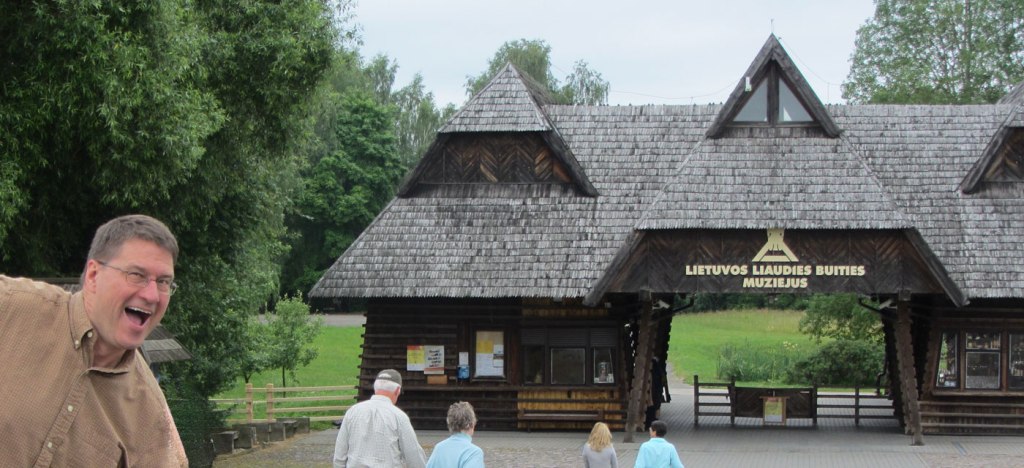
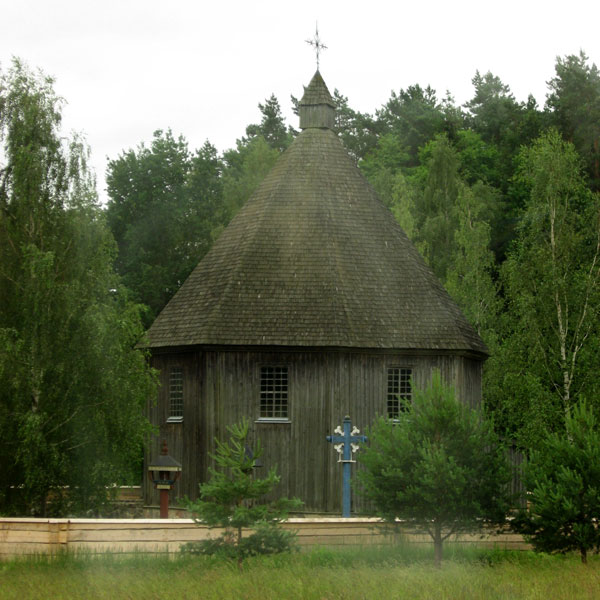
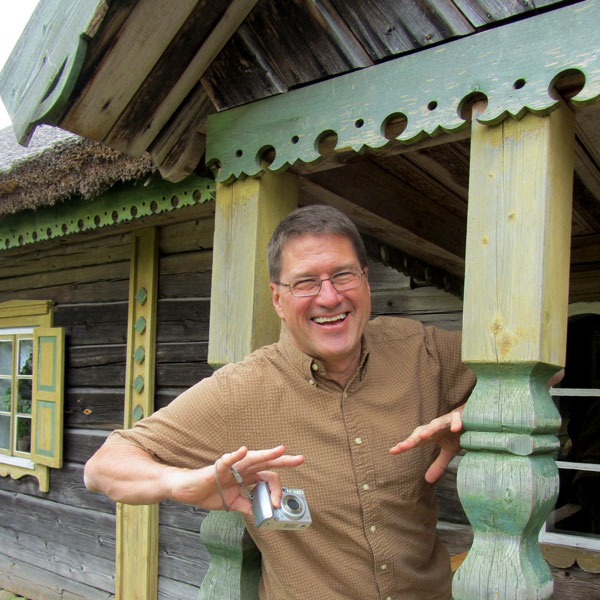
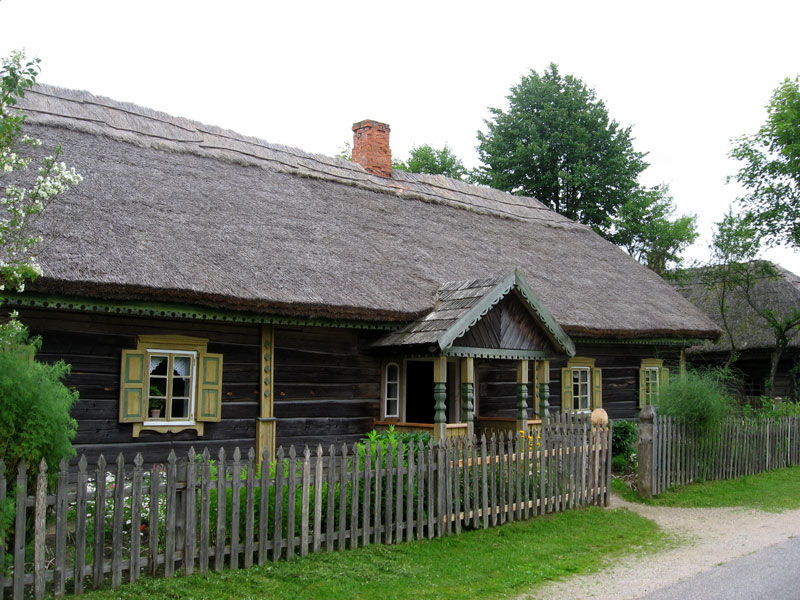
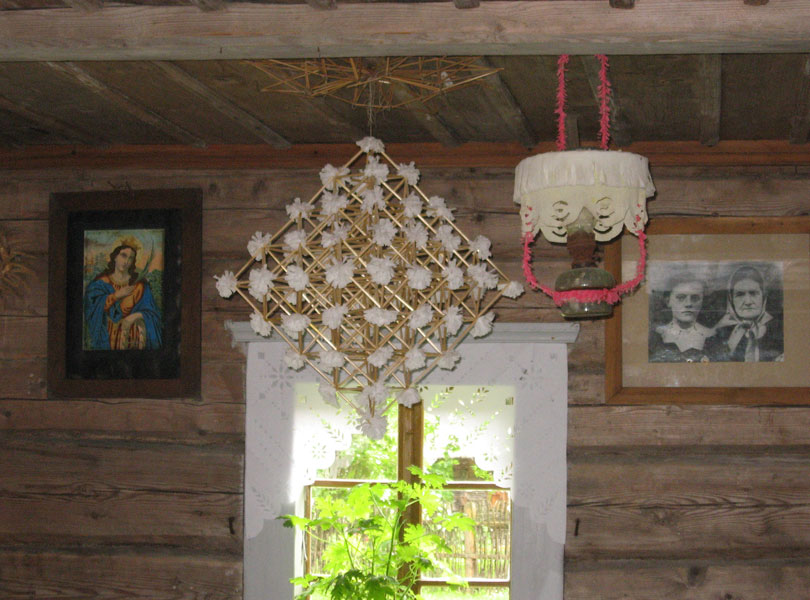
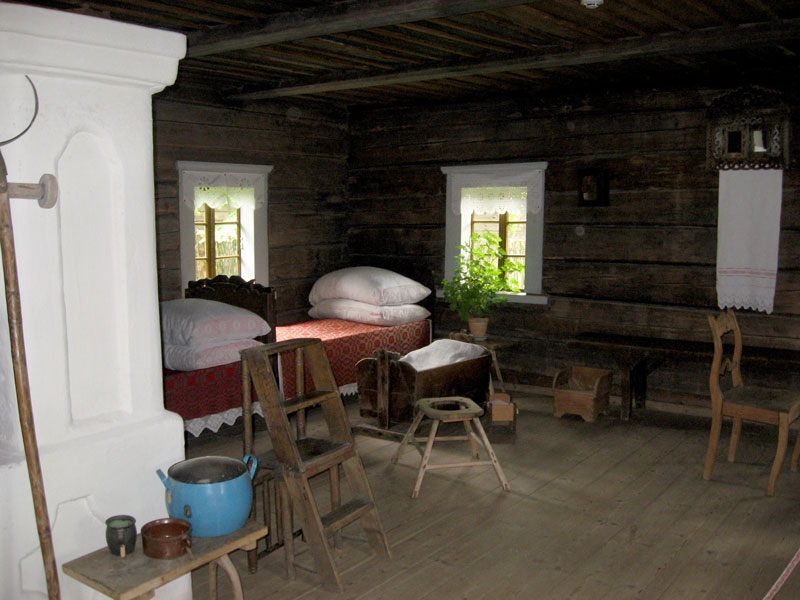
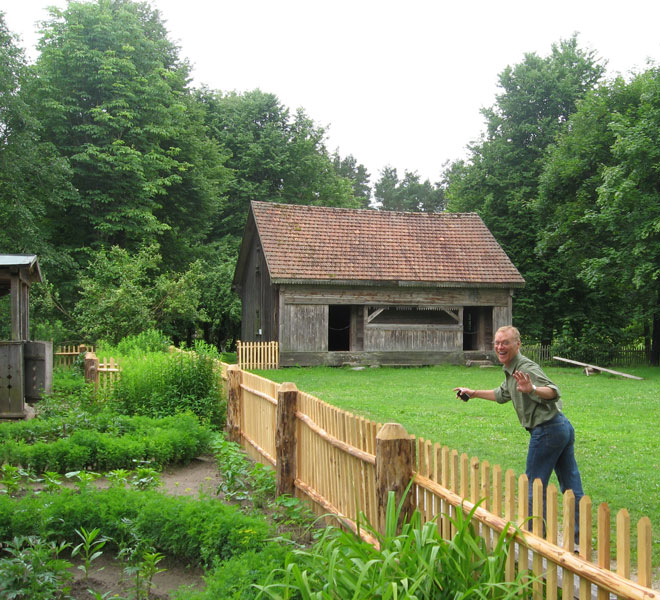
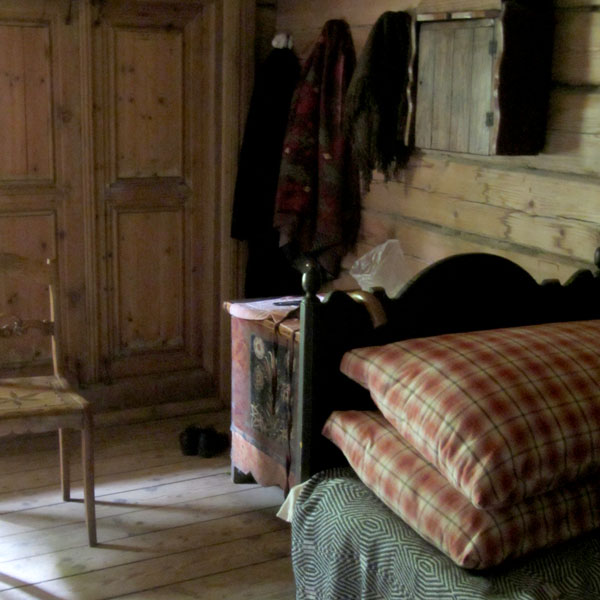
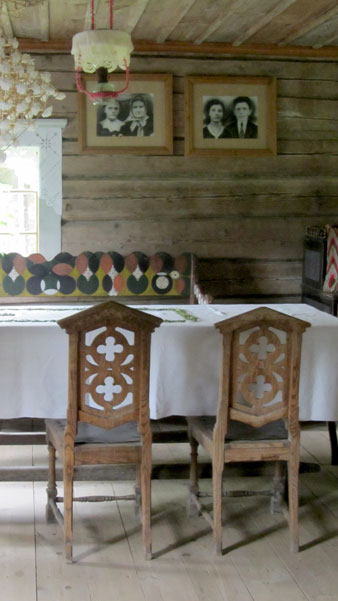
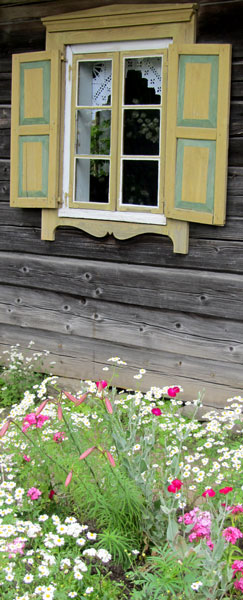
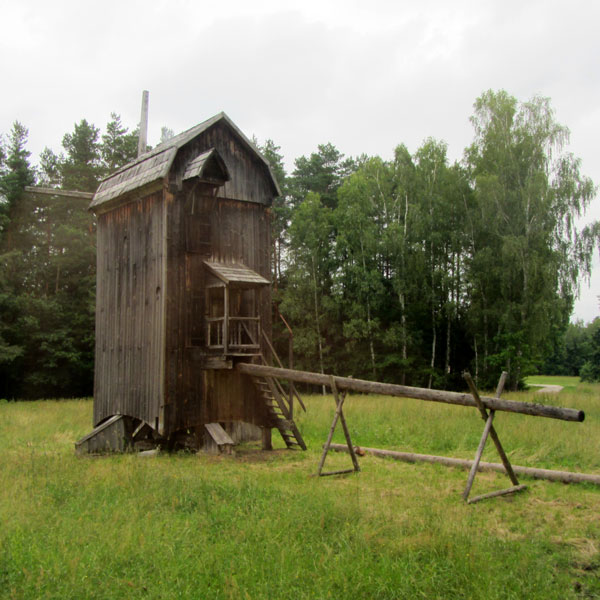
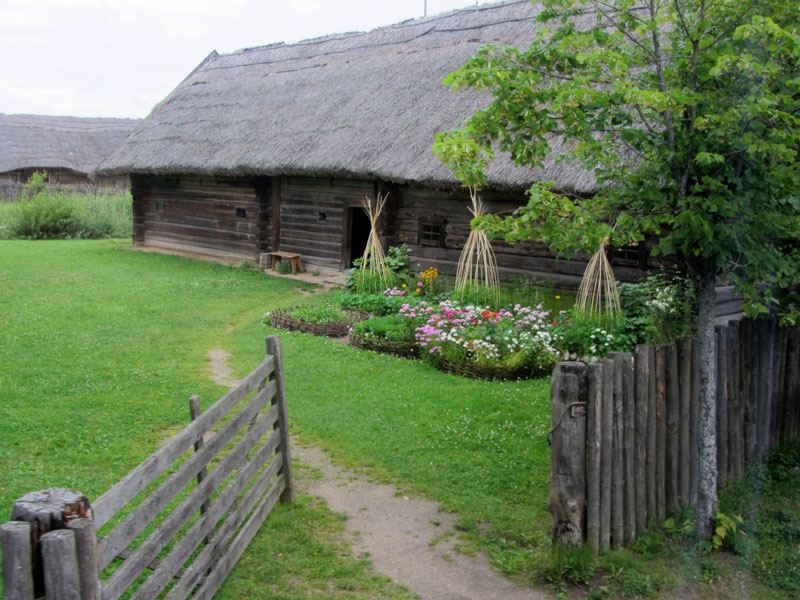
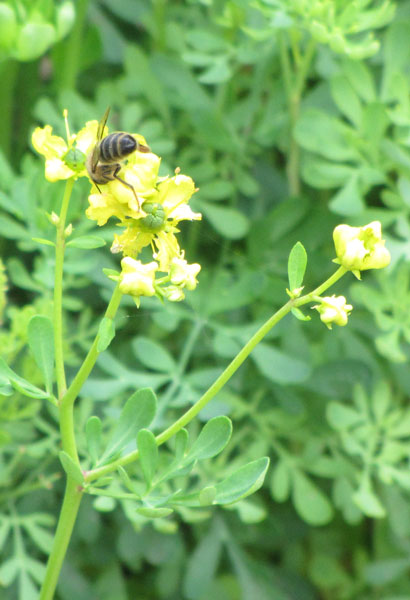
The Village
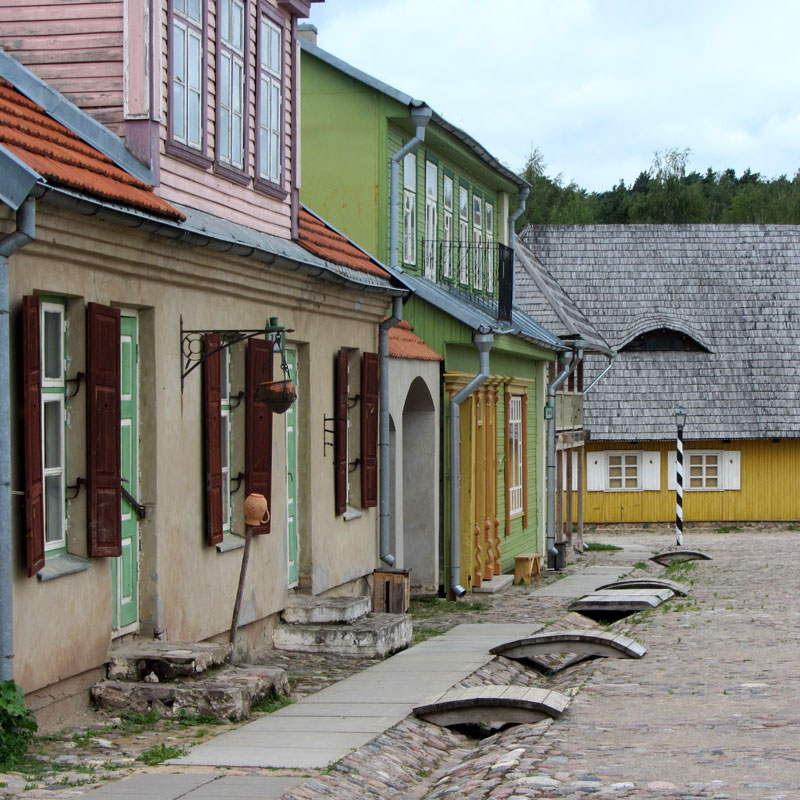
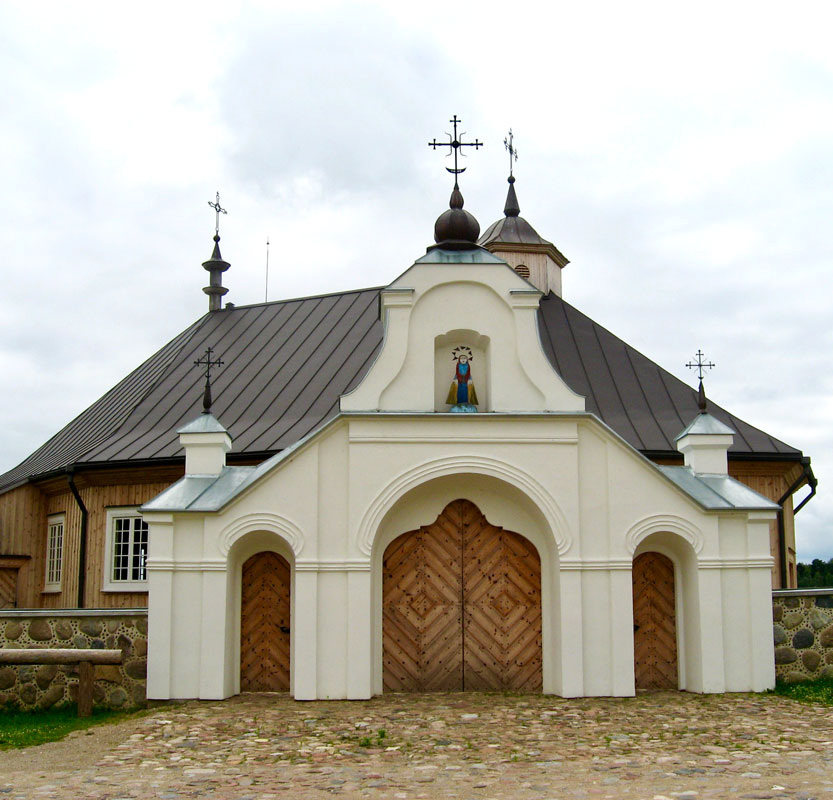
The Exile and Resistance Zone
This area represented the Soviet occupation of Lithuania and Stalin’s deportations of thousands of Lithuanians that took place both before and after the Nazi invasion. In his effort to Soviet-ize Lithuania, 47% of its people were “removed” (often replaced with transplanted Russians) and the land was nationalized, destroying the traditional bond between a Lithuanian and his family farmstead which the Rumšiškės museum park meticulously recreated.
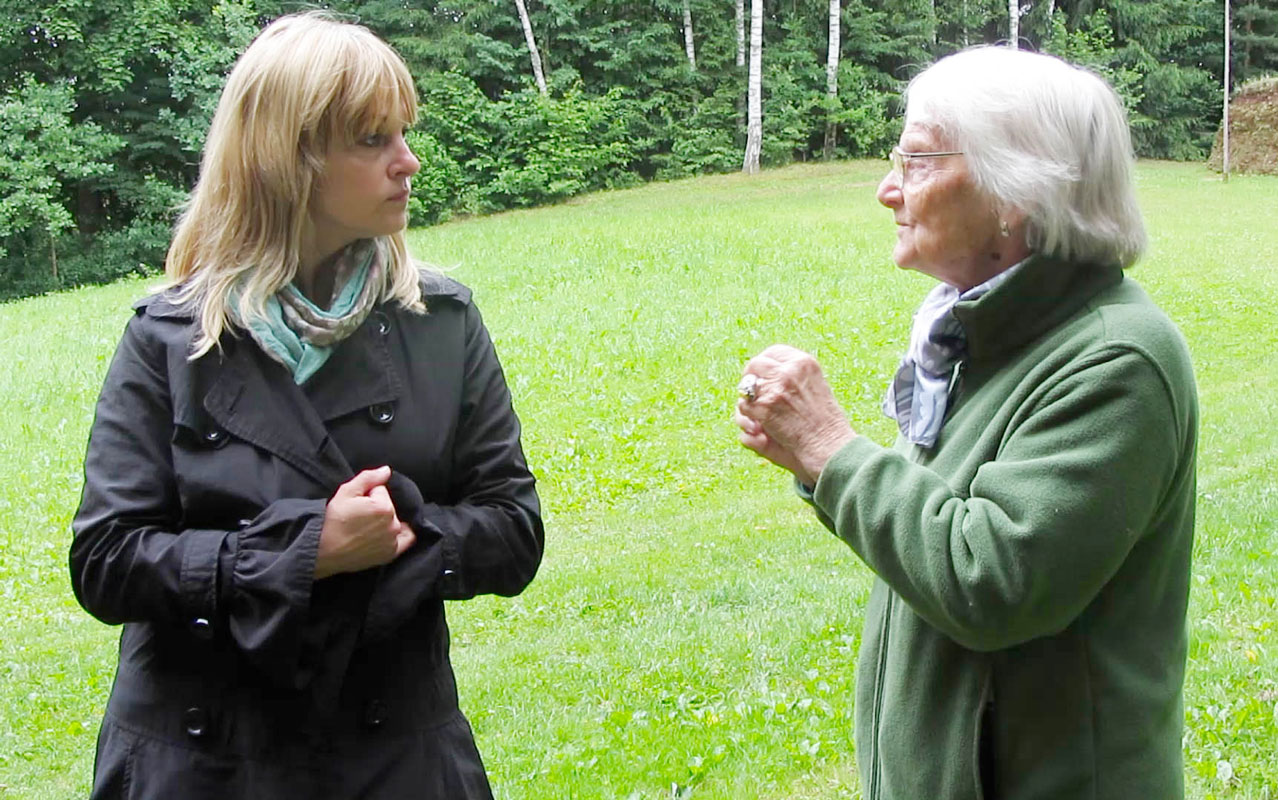
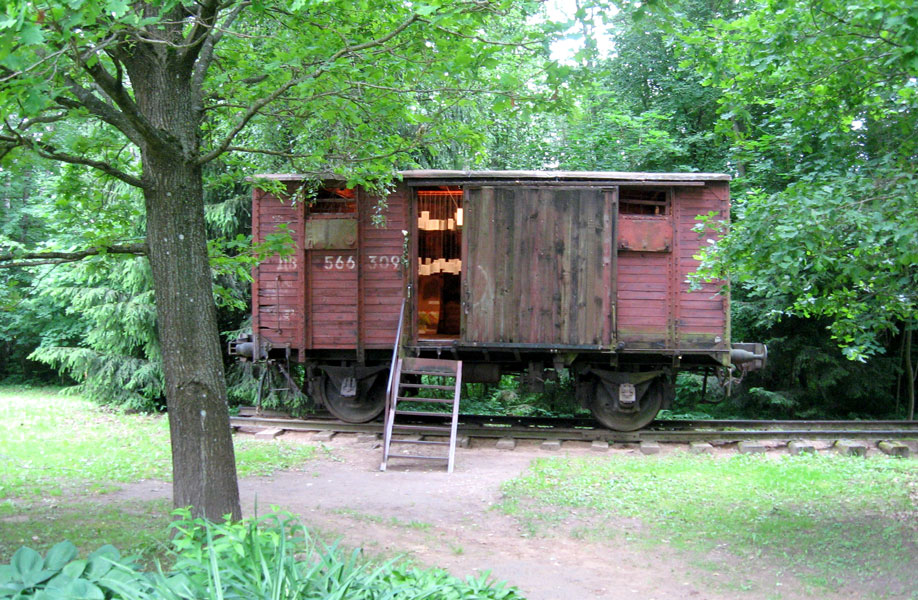
We were privileged to have been given a first-hand (translated) narration of the conditions the exiled people experienced by one Soviet deportation survivor, Irina. She spoke to us while standing before a recreated Siberian earthen yurt like the ones Lithuanians had to build for themselves in the treeless tundra. Nearby was parked a railroad car used to transport the deportees deep into the Soviet interior.
Planning for this operation preceded the war and lasted into the early 1950s. Officially, the exiles were termed ‘anti-Soviet’, ‘socially dangerous’, ‘enemies of the people’, ‘nationalists’, ‘kulaks’ (farm-owning peasants) or ‘counterrevolutionaries’. In reality, these terms emcompassed the best of the Lithuanian nation. Deportees and their families included people of varying social status: officials of the formerly independent state, office workers, wealthy tradesmen & poor artisans, farmers and farm workers, politically active persons and professionals such as teachers, priests, doctors, etc. plus their dependents and children. Men were often separated from their families, leaving the women and mothers to struggle for their lives and the lives of their children in Siberia or in the deserts of the southern USSR.
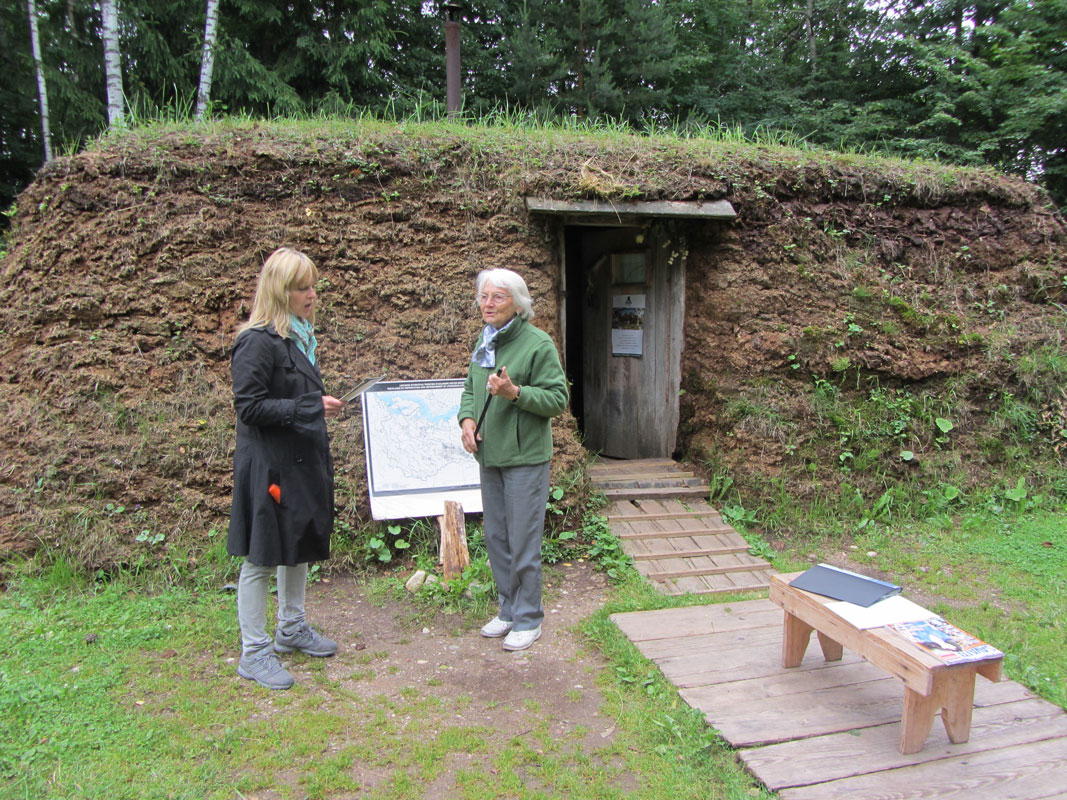
And these deportations were not just a Lithuanian phenomena. They occurred in all three Baltic countries and it is estimated that over 200,000 Baltic people were shipped off in Stalin’s eagerness to Russify his three Soviet Socialist Republics.
Kaunas
After that sobering experience, we took leave of the open-air museum. Our next stop was in Kaunas, Lithuania’s second city and its capital during the first period of independence between the wars. (Vilnius was located in territory bestowed on Poland after WWI.)
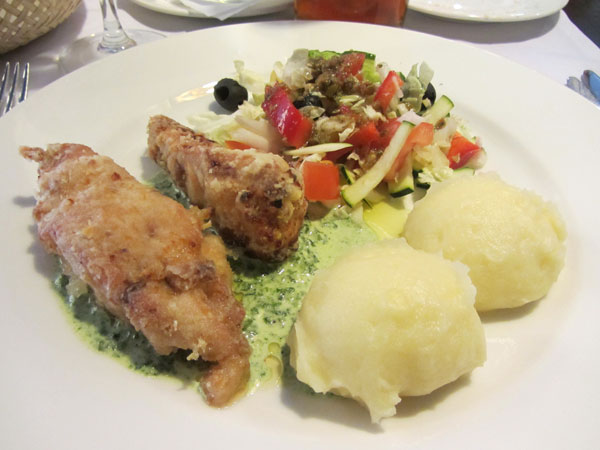
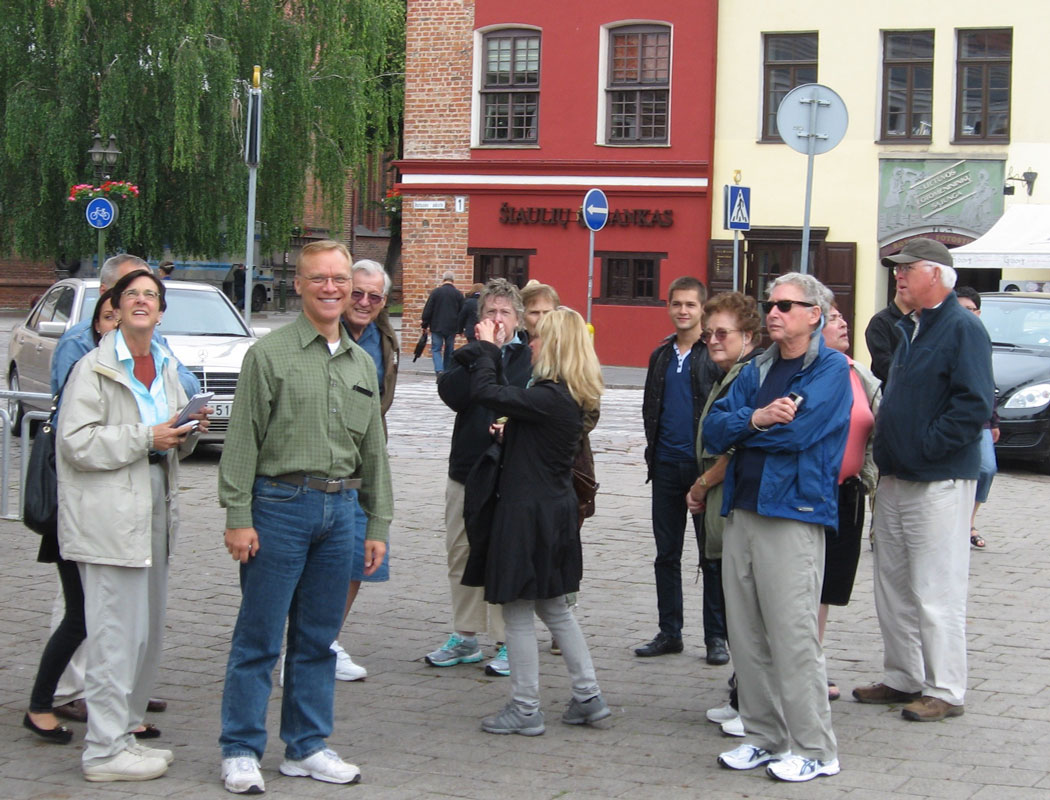
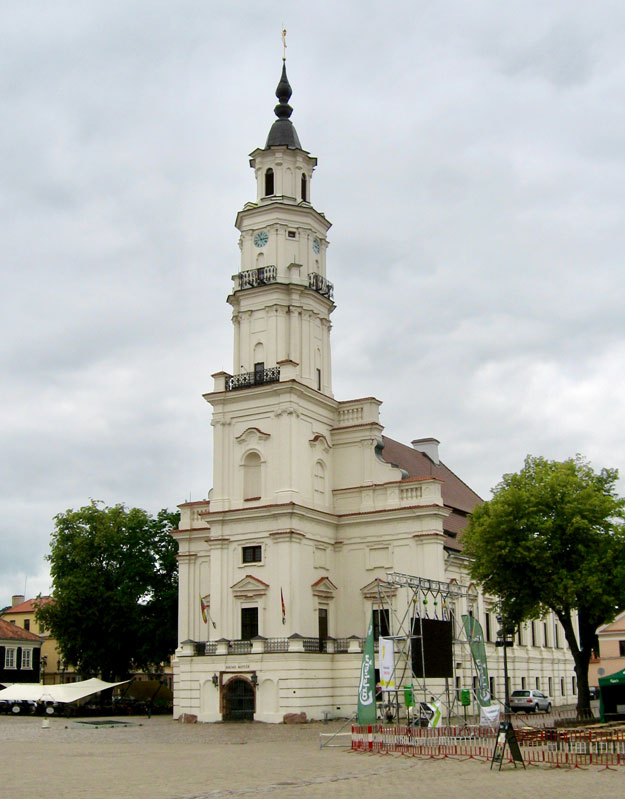
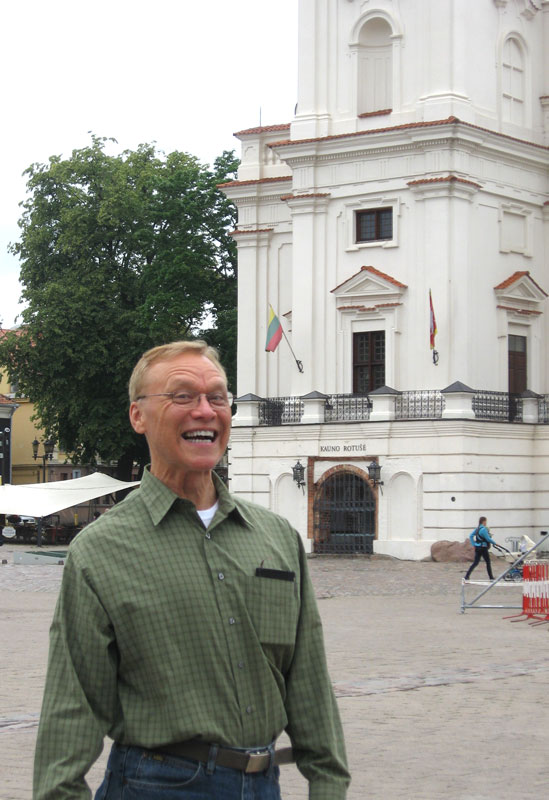
We walked down the main street of the old town on our way to lunch where we met Aida’s family: her husband, son and daughter. They joined us after lunch as we continued our tour to Town Hall Square.
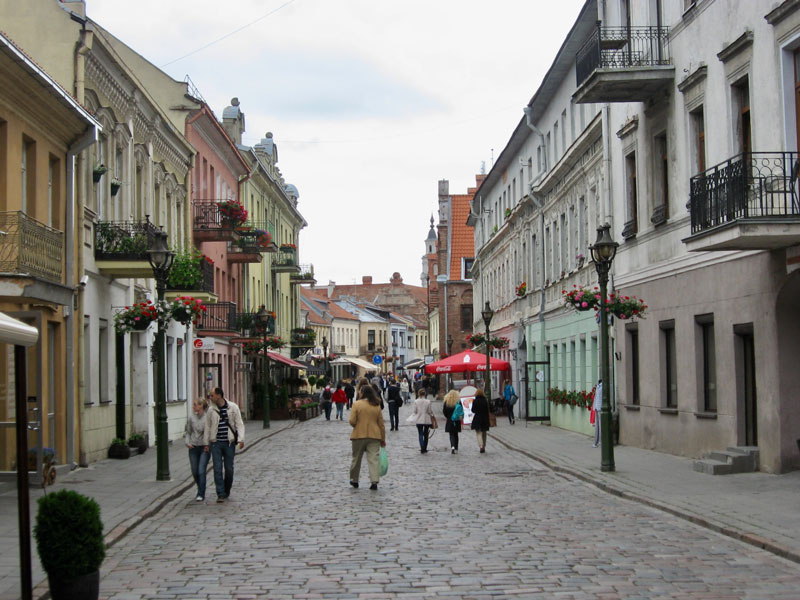
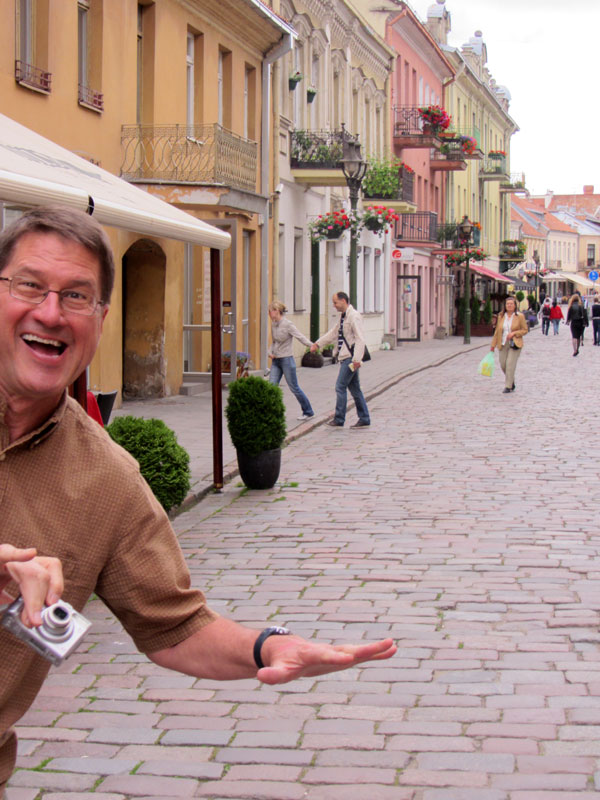
Aida’s family…and lunch
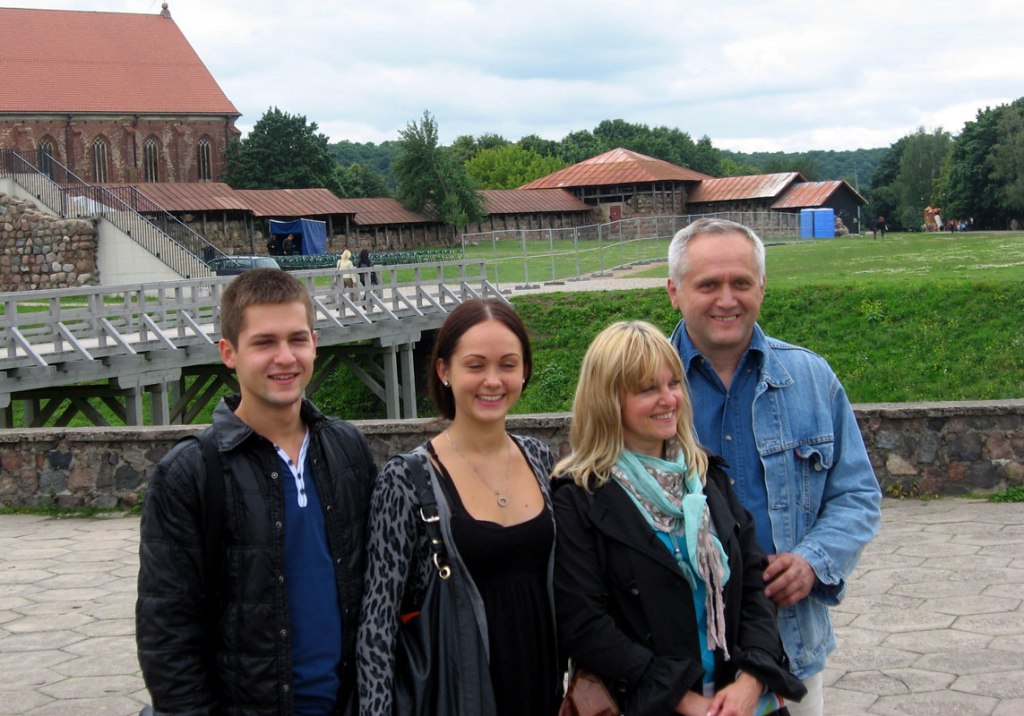
Kaunus Town Hall Square
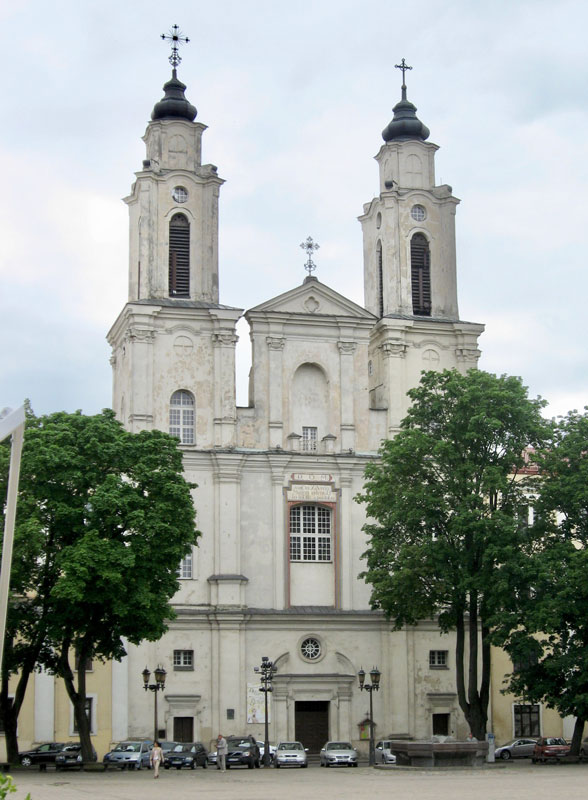
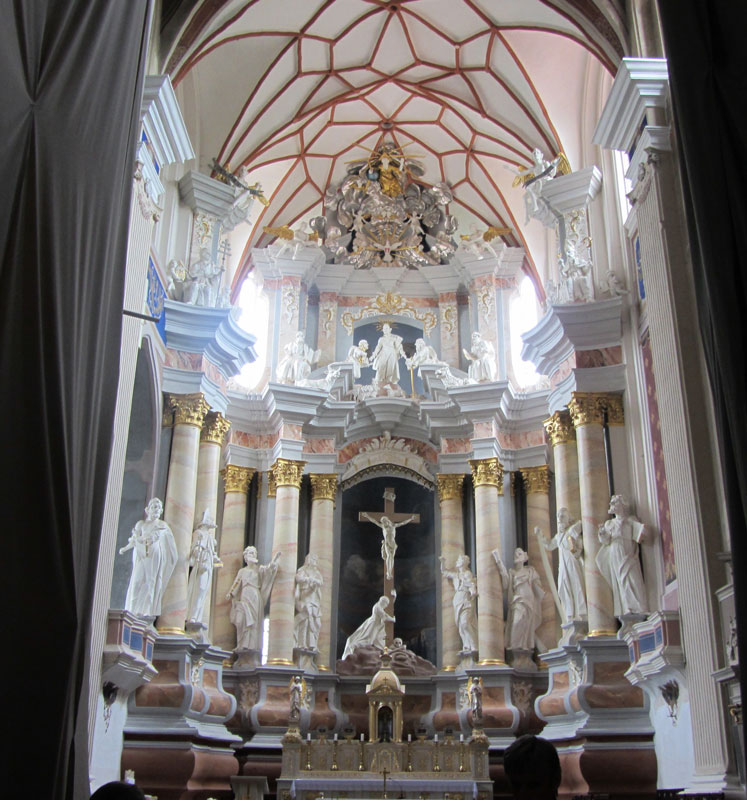
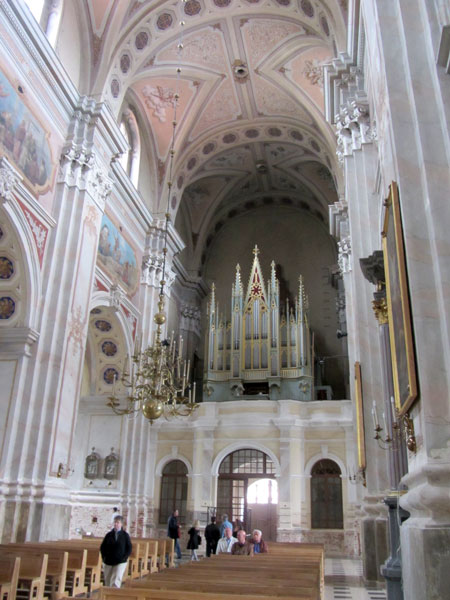
Kaunas Cathedral (under refurbishment)
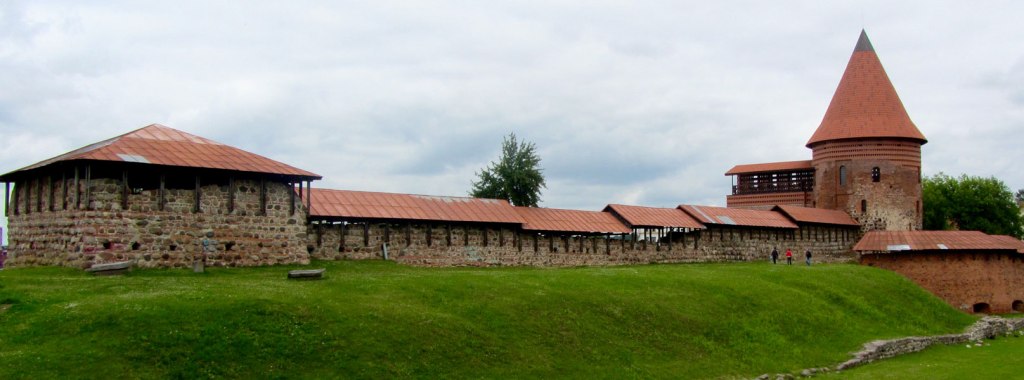
Kaunas fort
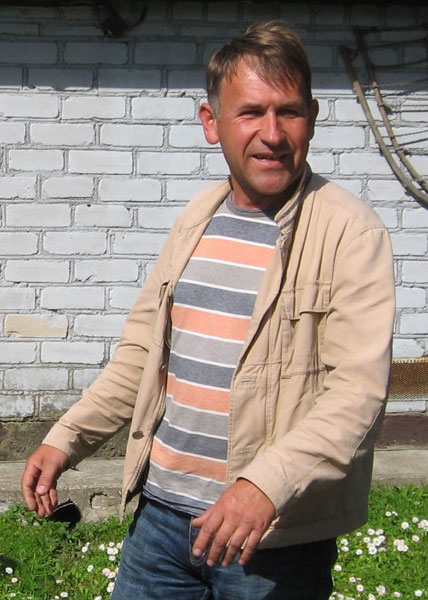
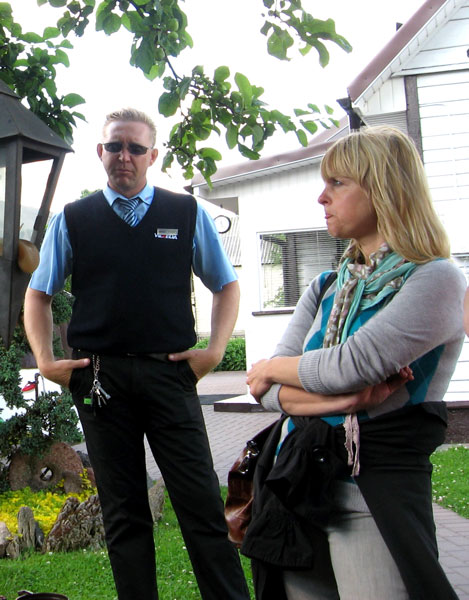
Nemakščiai
Departing Kaunas, we continued our westward journey to the Baltic coast, making a stop at a privately-owned roadside museum the Nemakščių technikos muziejukas (The Nemakščiai Museum of Technology). Or the “Museum of Eight-Wheeled Vehicle” as per Apple Maps.
Nemakščiai can be translated three ways:
- unwisely
- not children
- non-vaginal
Take your pick
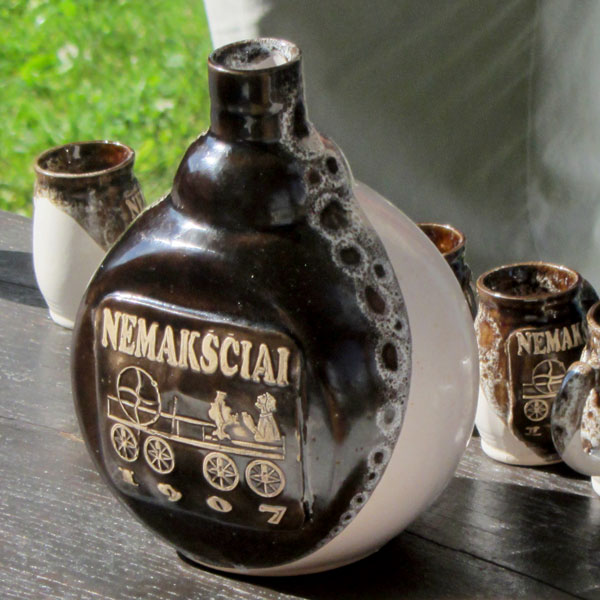
One hundred years ago, the nobleman Pšemislov Neveravičius from Nemakščiai, a self-taught inventor with no higher education, created the world’s first eight-wheeled self-propelled carriage, unique in its time. Double the size of an ordinary horse-drawn carriage, the vehicle could be driven by just two men turning the cranks of the centrifugal wheel sans horses. His creation earned the respect of his fellow Nemakštians of that time, but he himself was considered a bit of a freak.
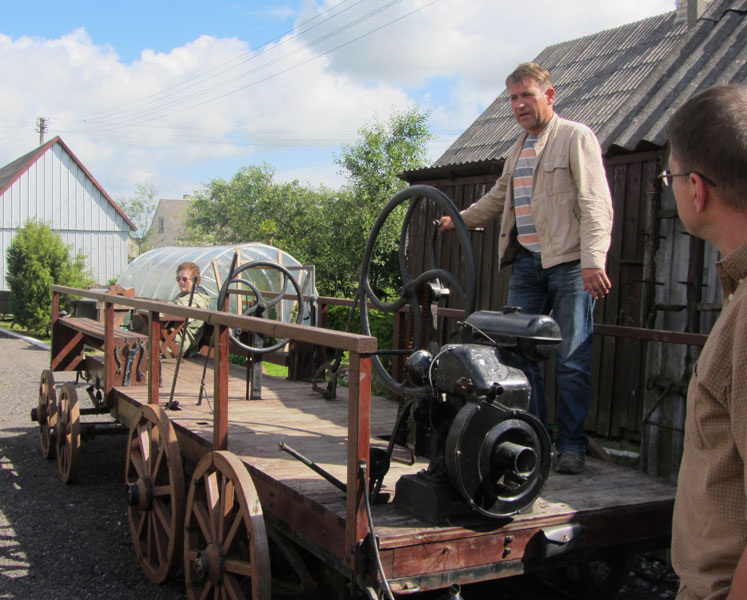
Later, Leonas Tamulevičius conceived the “Eight Wheel Vehicle Association”, founding a technical museum on his parents’ homestead built around the original creation with something for everyone.
“Get your Soviet memorabilia here!”
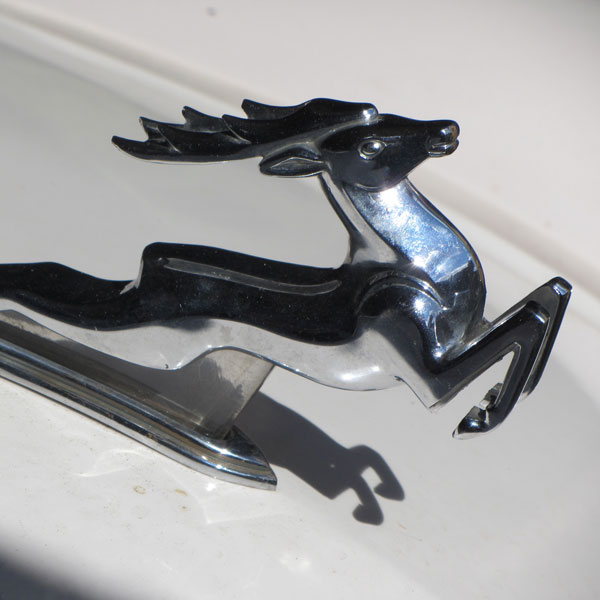
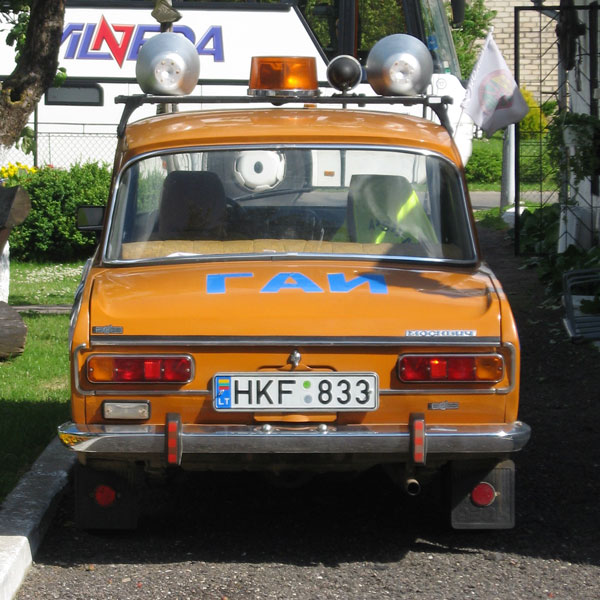
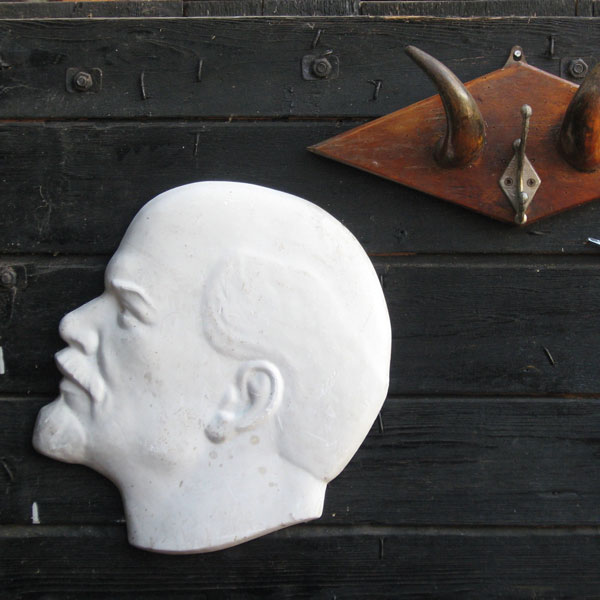
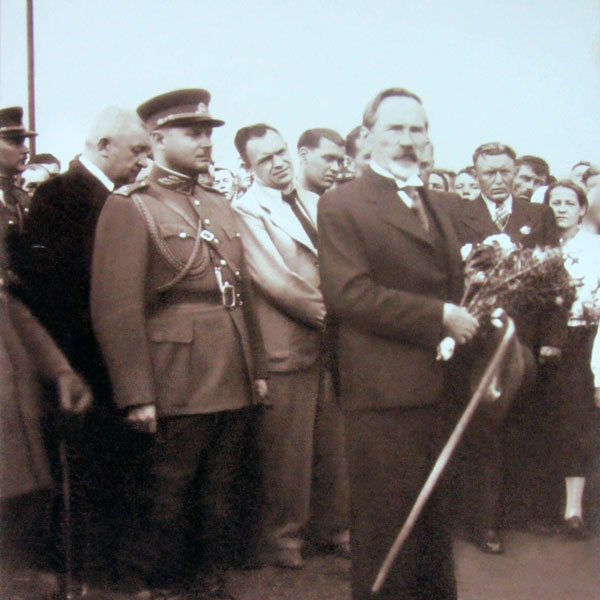
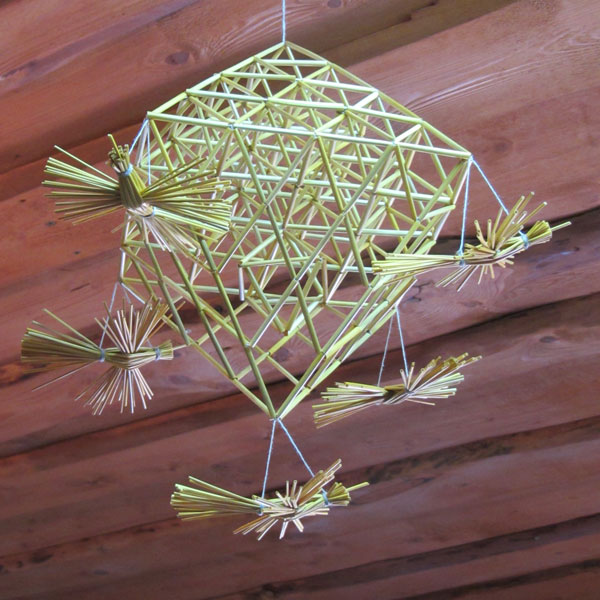
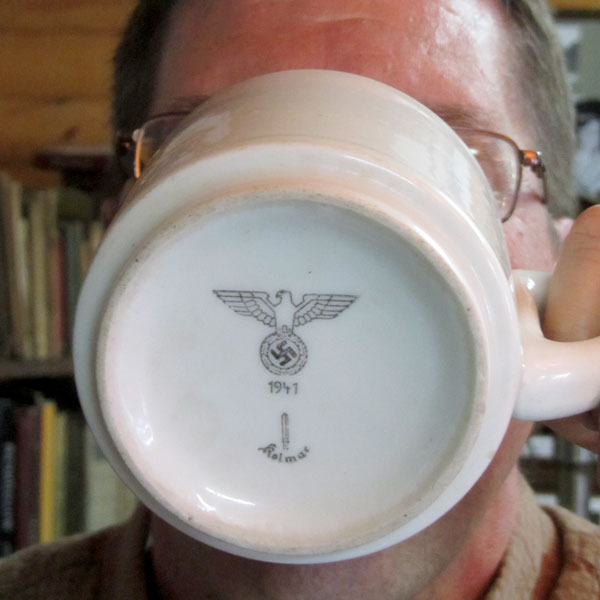
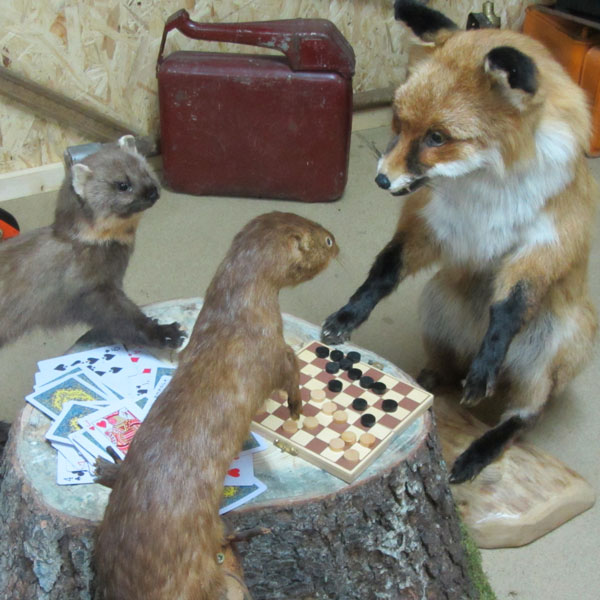
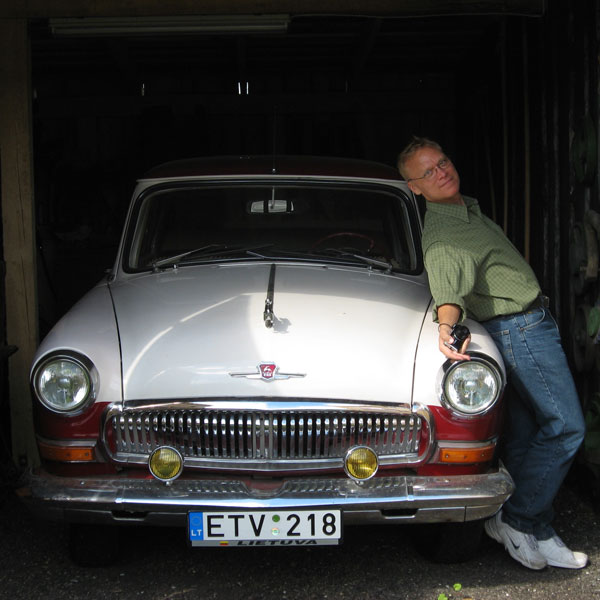
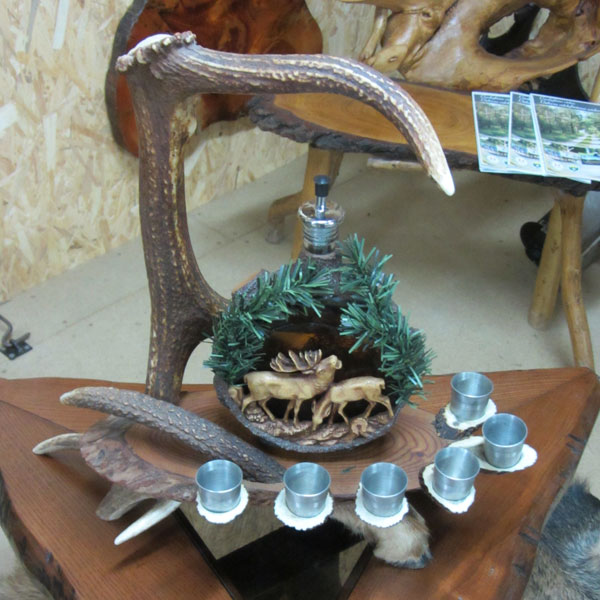
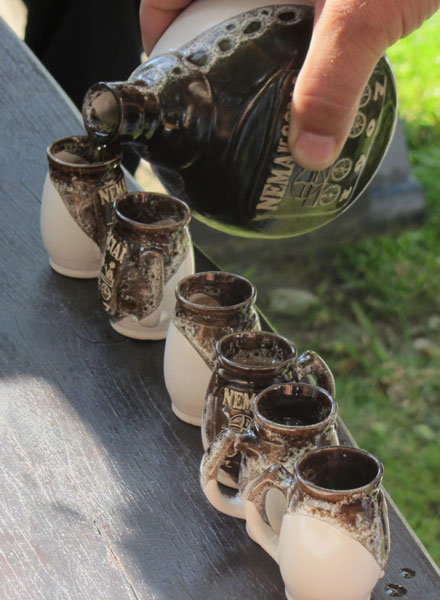
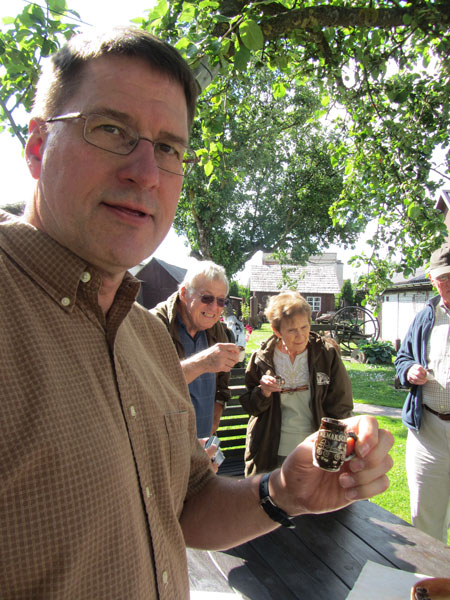
As we wrapped up our exploration of the collected (“hoarded”?) artifacts around the property, we were treated to waffle cakes and a local intoxicant whose label depicts the famous eight-wheeled cart. With so many years having elapsed between tasting that and writing this, I’m at a complete loss on how to describe what this local moonshine was or how it tasted. At the very least, it didna kill us!
Klaipeda
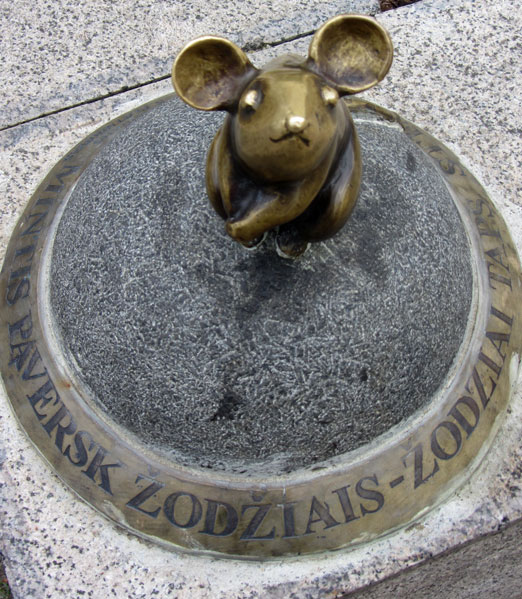
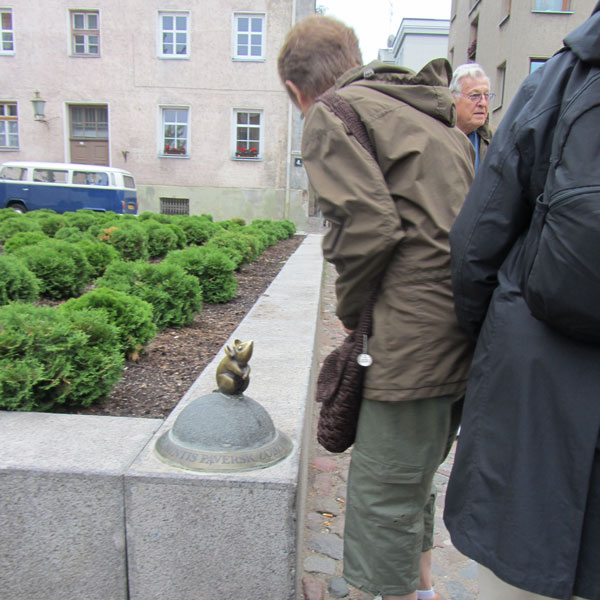
We reached Klaipeda, Lithuania’s Baltic seaport, late in the day. After checking into our hotel, our group took a quick turn around the immediate neighborhood. We came across the Magical Mouse: a bronze and stone sculpture surrounded by a bronze band with the words: “Turn thoughts into words – words will become miracles.” The mouse is magical and will fulfill good wishes–you only need to whisper them into its ear.
There was also a stanchion nearby that displayed the seals of the official “sister cities” of Klaipeda. And there we found our hometown. Who’da thought.
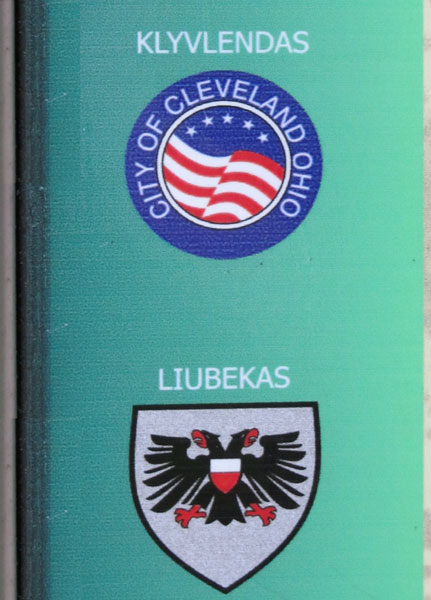
Seen on the streets of Kalipeda
Rather than find a restaurant for a sit-down, we made for a local market and purchased some meat, cheeses and bread, both baked and brewed for a little waterside picnic/dinner under the watchful eyes of an ersatz secret agent before calling it a night.
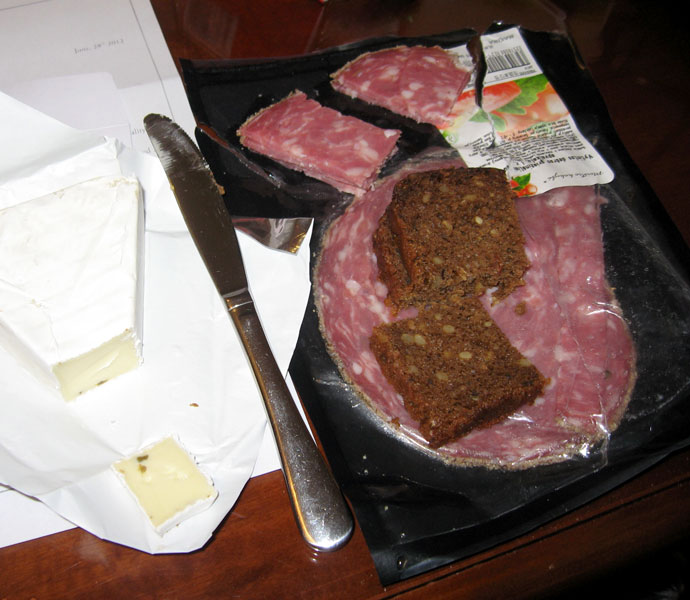
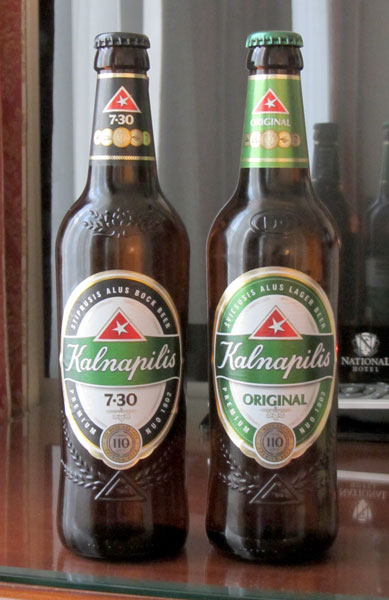
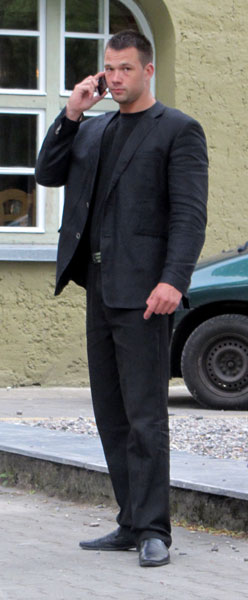
 Our Baltic Adventure