
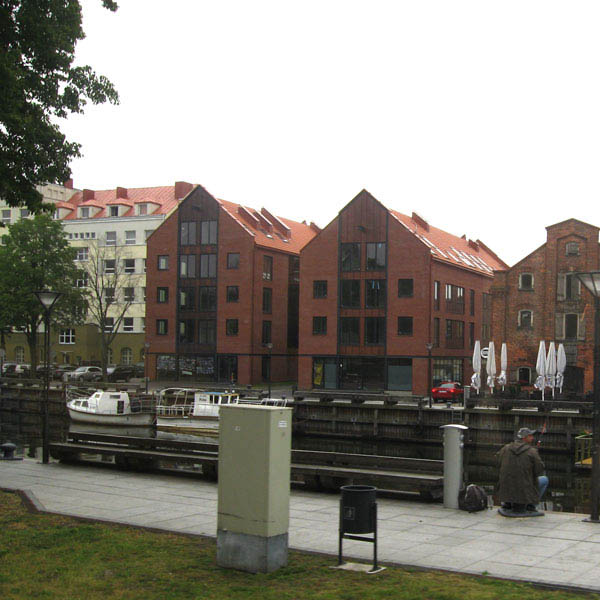
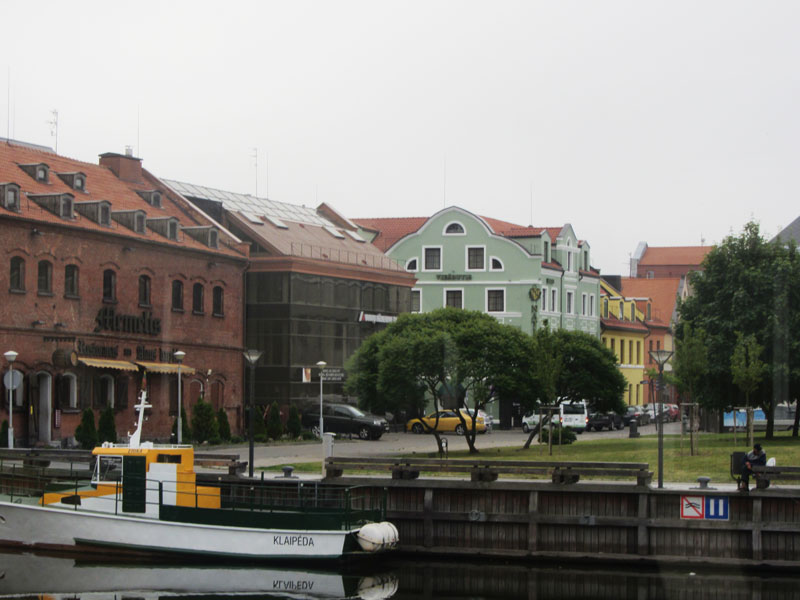
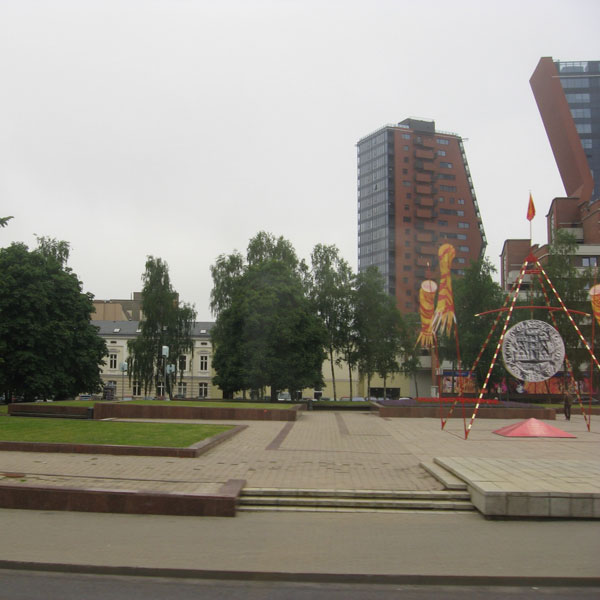
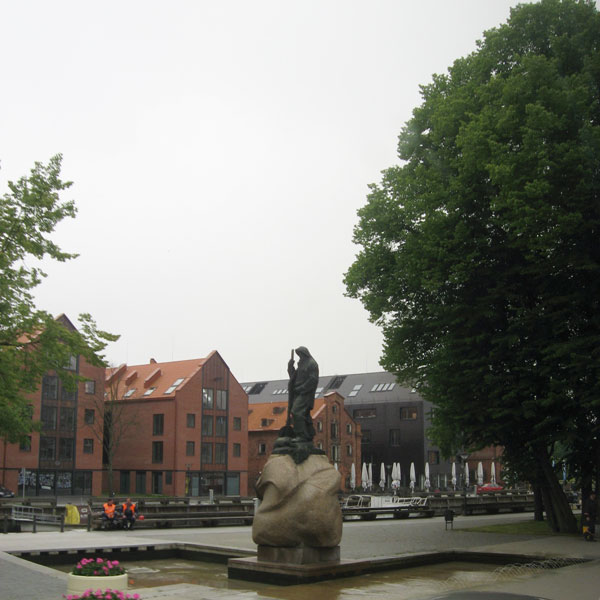
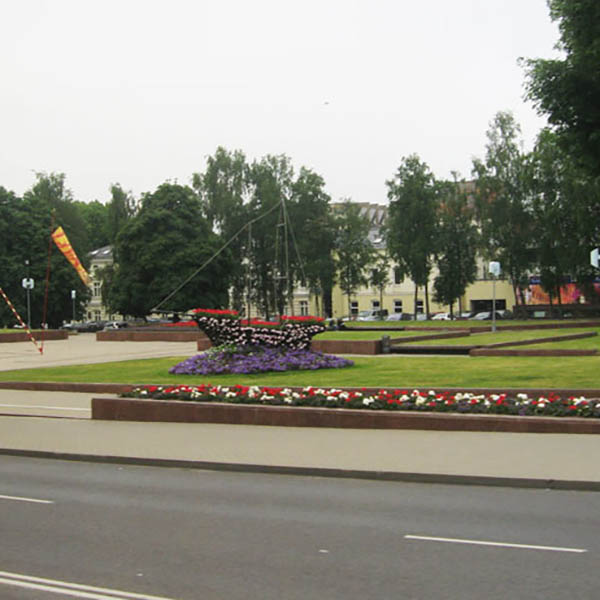
Rob and I spent the early morning taking a little walking tour of Klaipeda. There were no special sights or monuments. It actually had a “small town” feel about the area where we were staying.
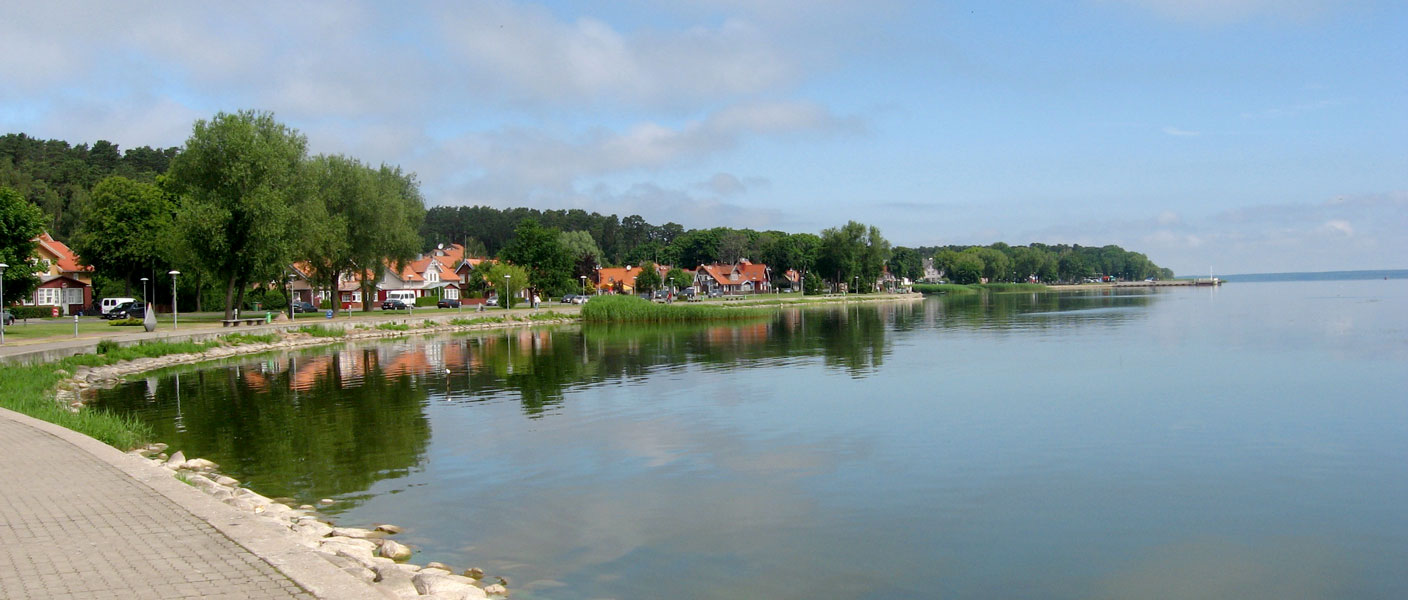
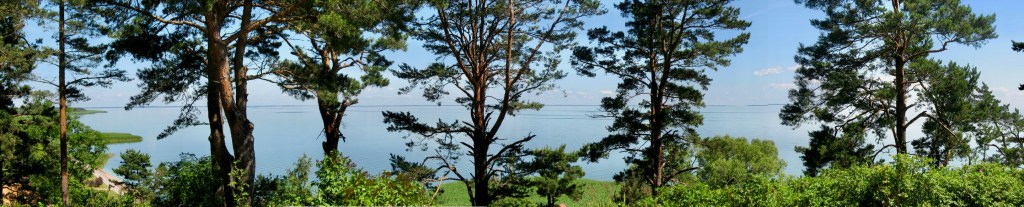
But our day was going to be spent on the Curonian Spit. The spit is a 61 mi. long, thin, curved sand-dune peninsula separating the Curonian Lagoon from the Baltic Sea. The strip of land is shared by Lithuania and Russia. There is a single road that traverses the whole length of the spit with ferries crossing the strait that separates the town of Smiltynė on the spit with Kalipeda.
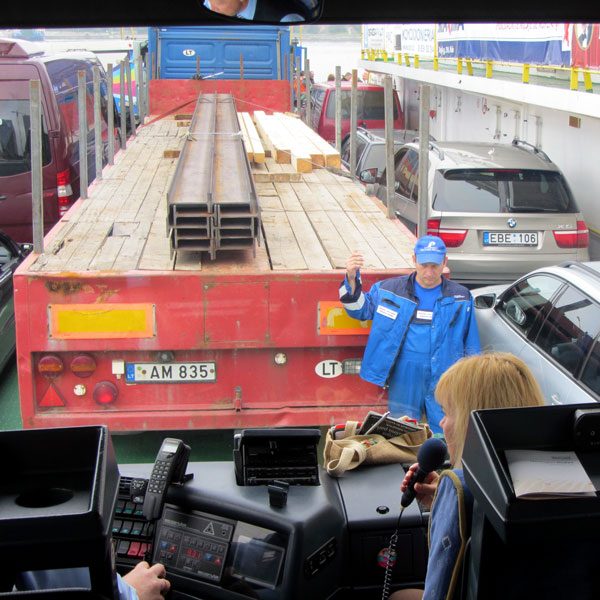
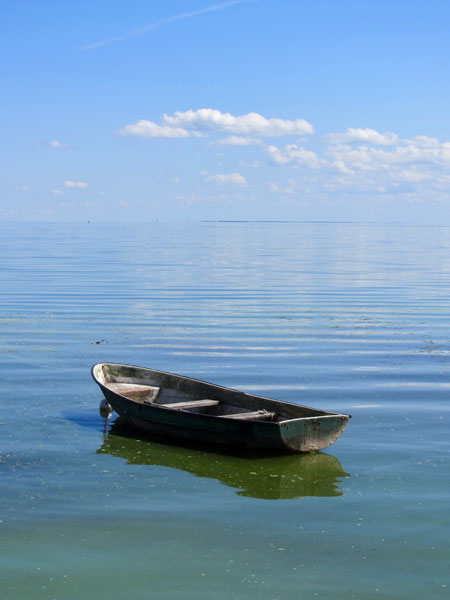
And that’s where our spit adventure began: with our bus, and all of us within, riding across the Curonian Lagoon on a ferry boat.
Our first stop was at Juodkrantė, a small fishing and resort village on the lagoon-side of the Spit. Here we found…
The Hill of Witches and Devils
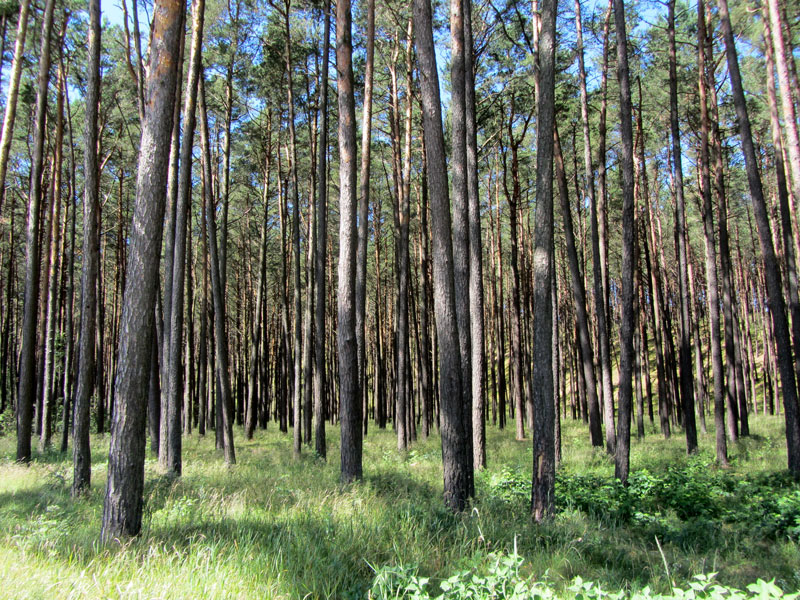
The sculptures are placed along a public trail through the woods that takes visitors on a trip through the most well-known legends and stories in Lithuanian folk history. (All completely lost on us!) Hand-crafted, each sculpture depicts a popular character from folk and pagan traditions.
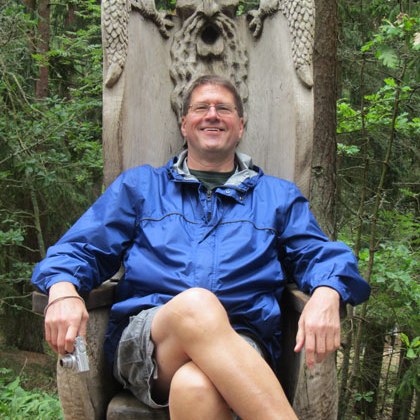
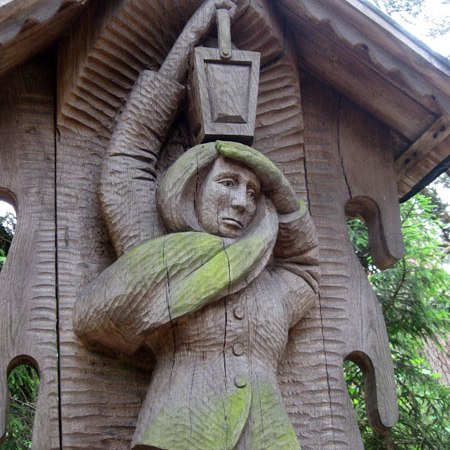
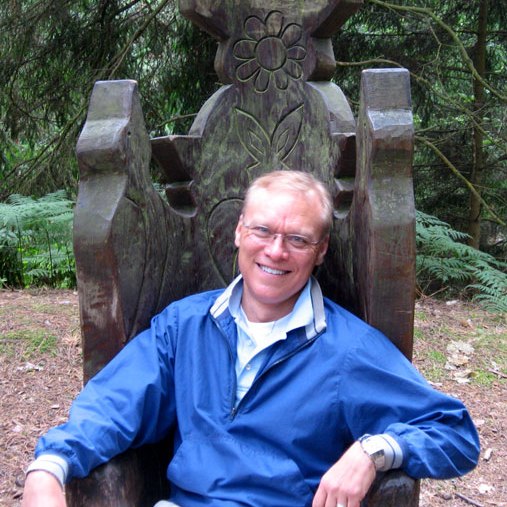
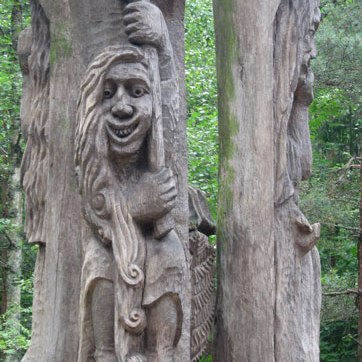
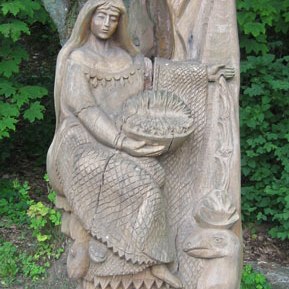
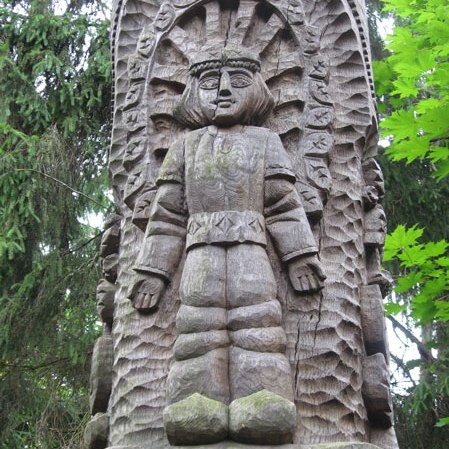

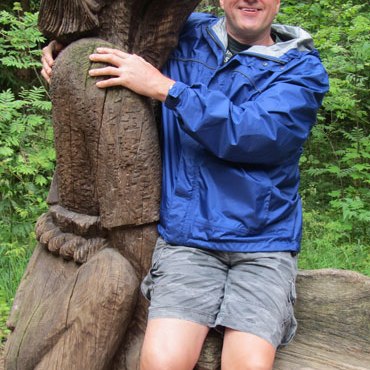
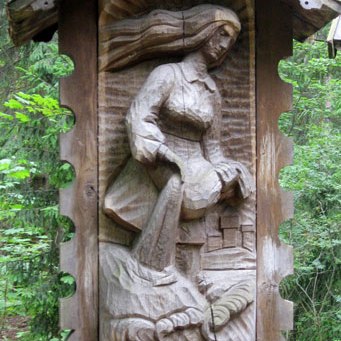
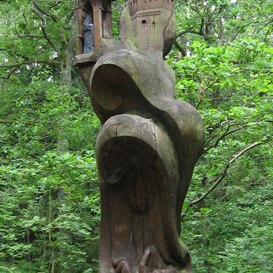
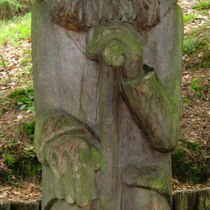
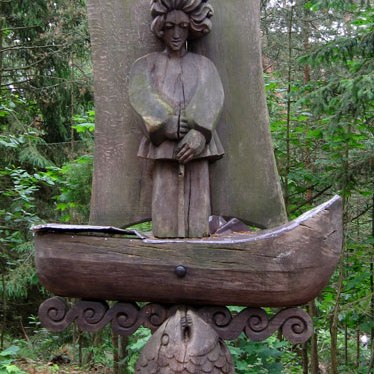
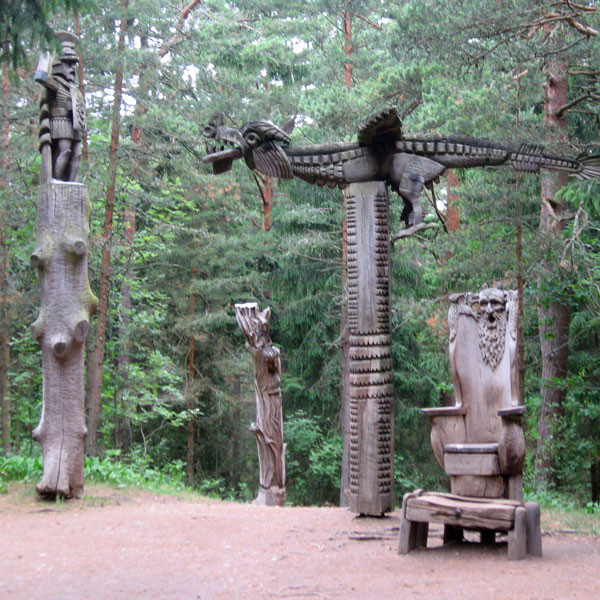
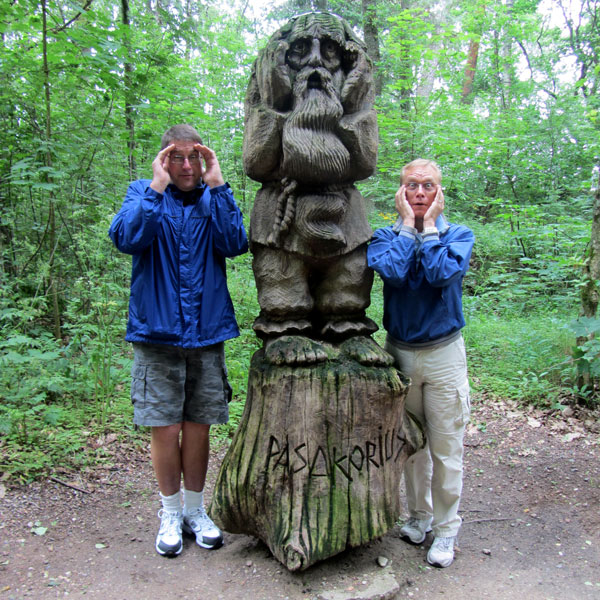
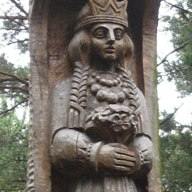
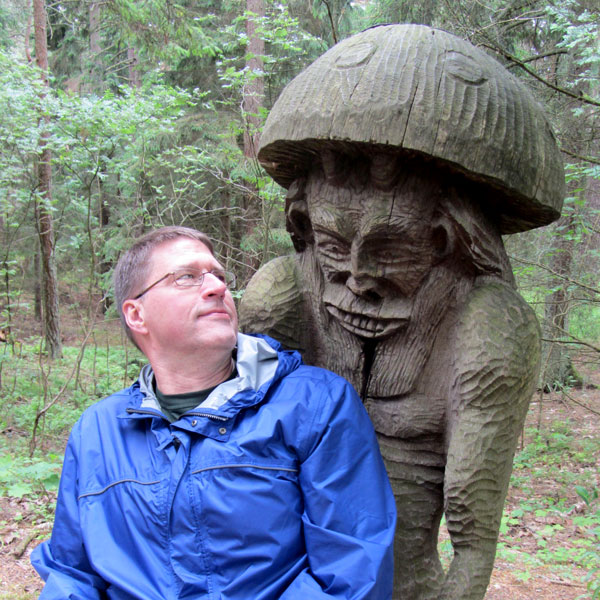
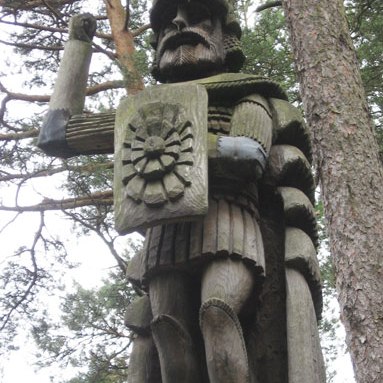
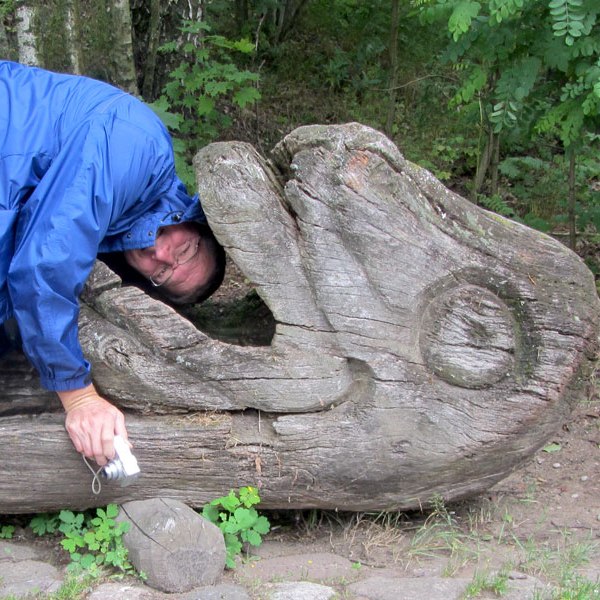
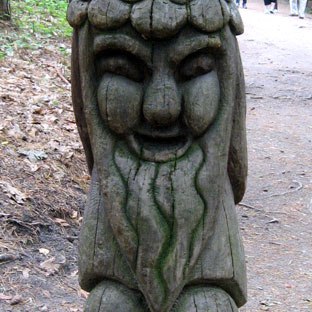
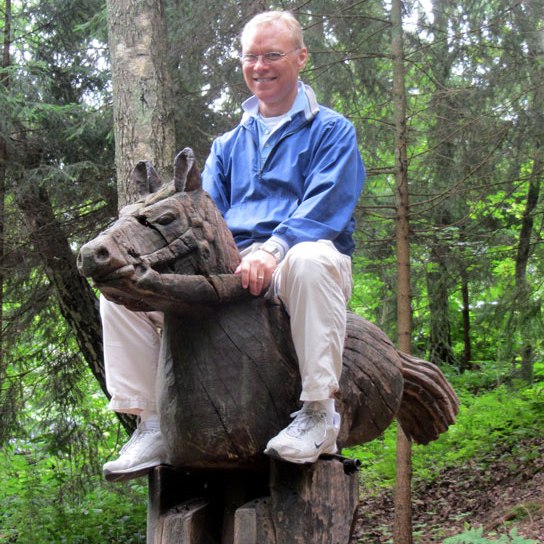
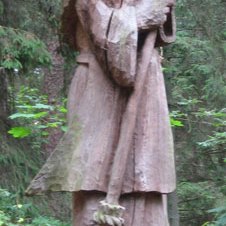
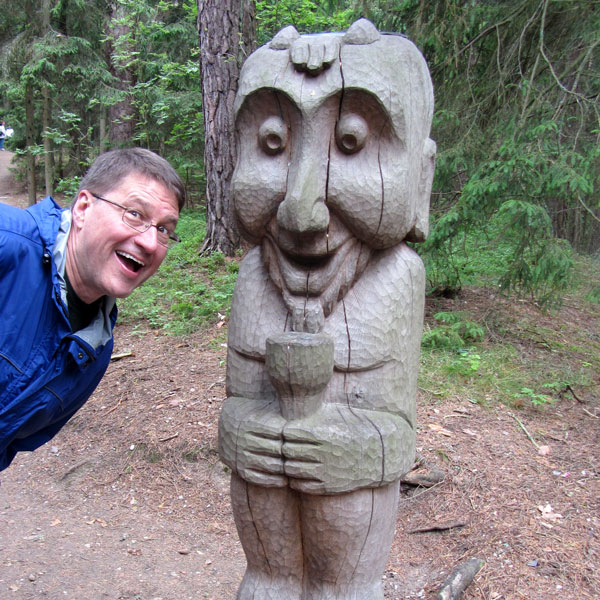
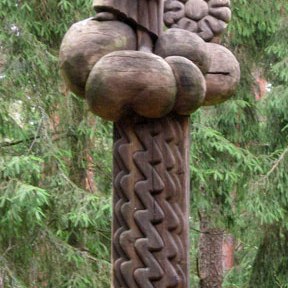
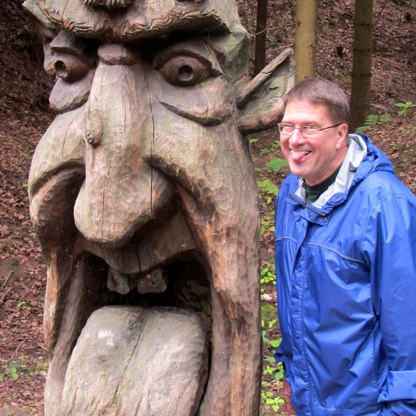
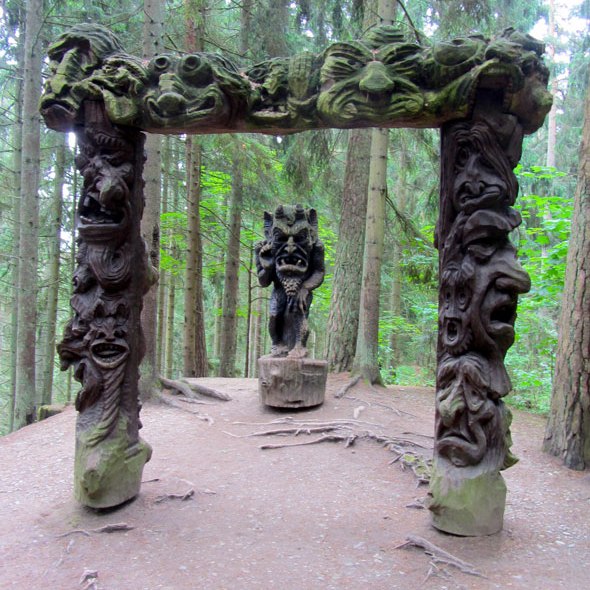
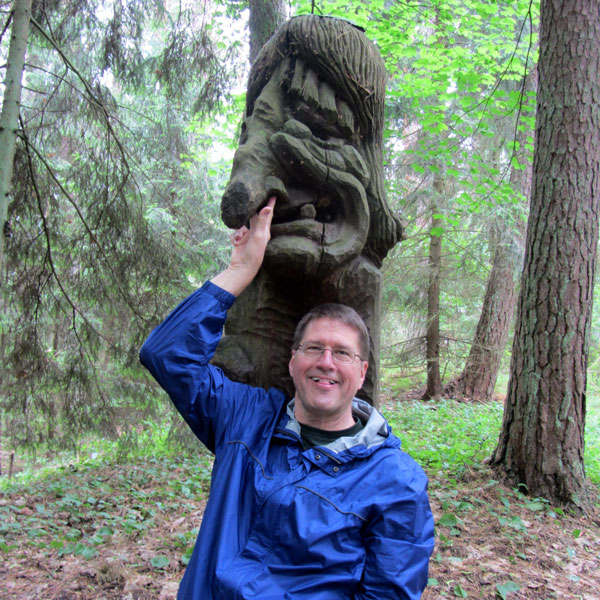
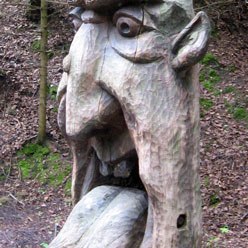
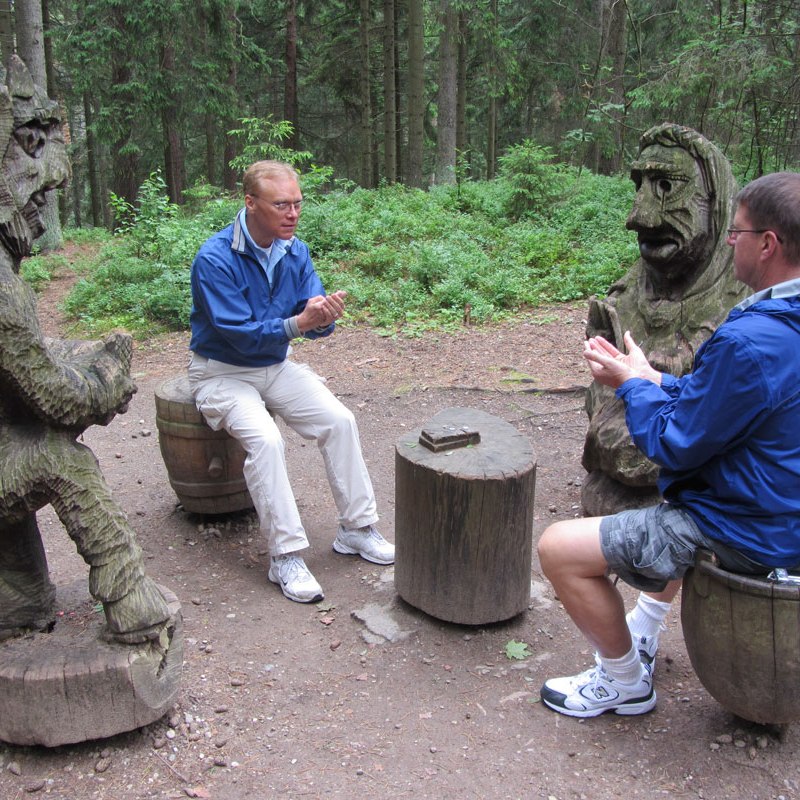
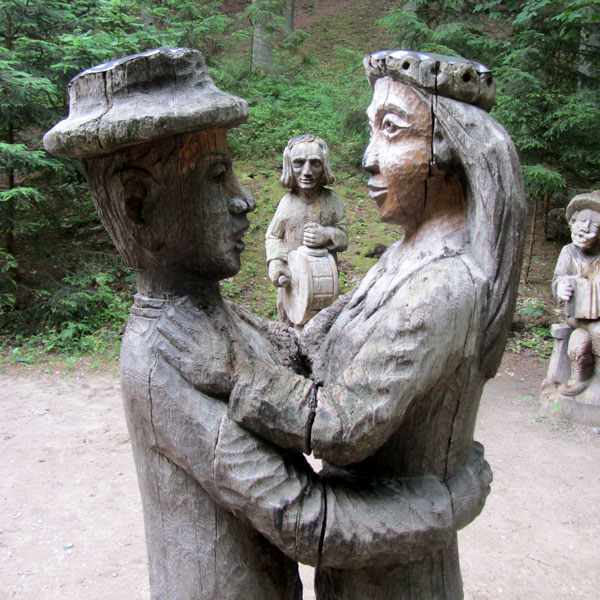
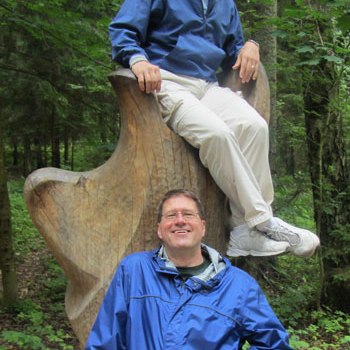
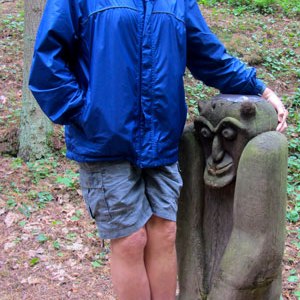
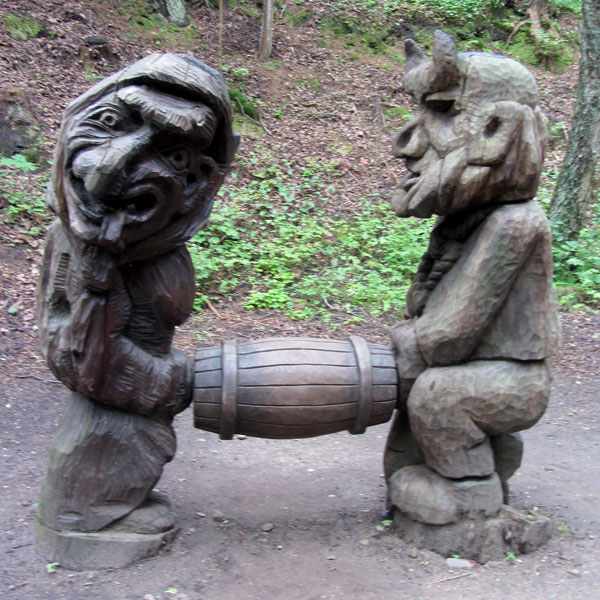
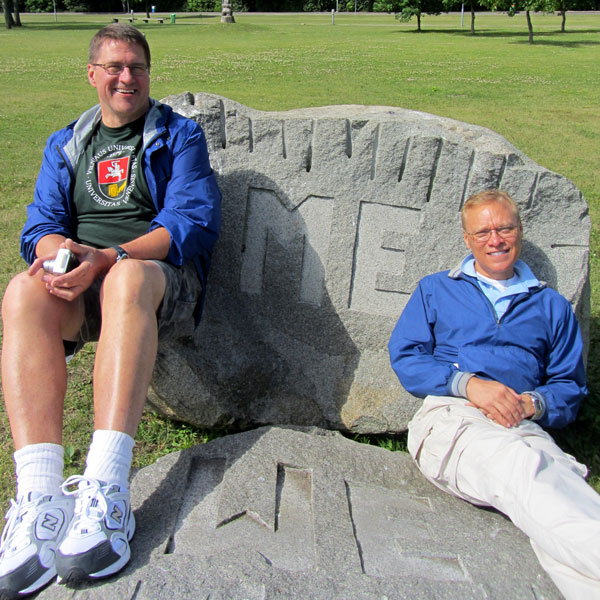
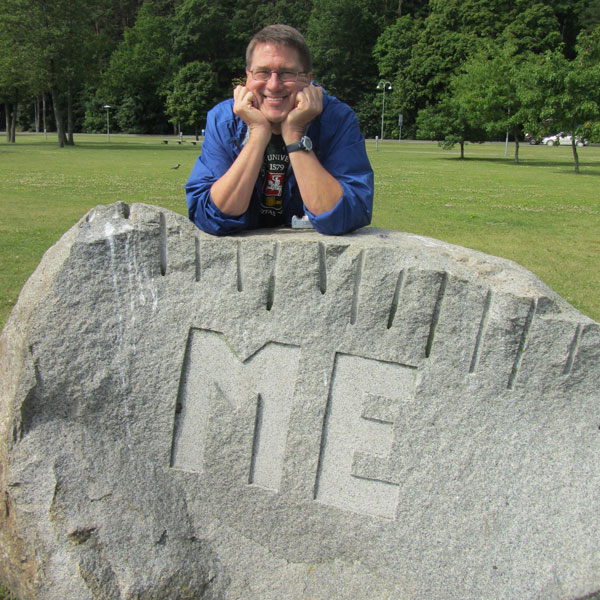
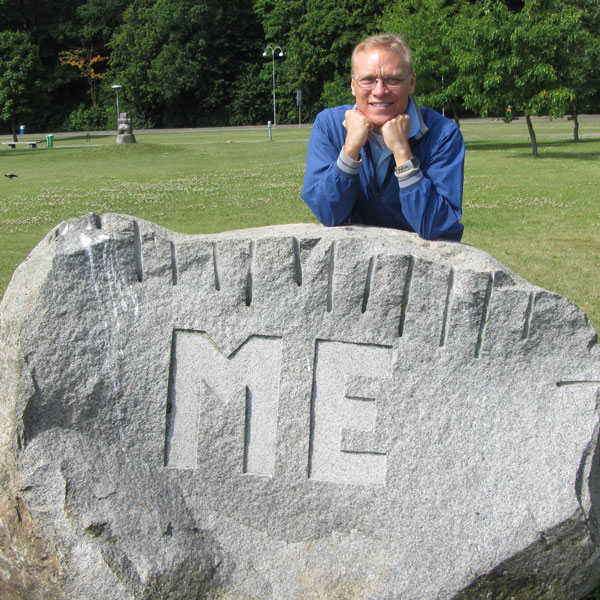
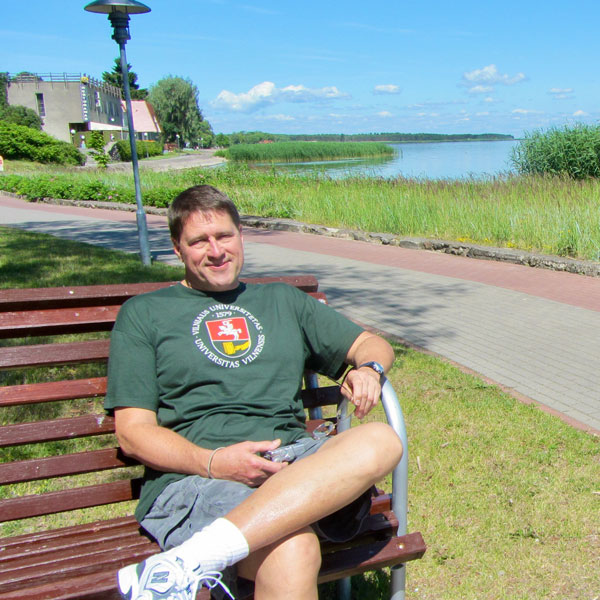
Emerging from the spooky forest realm of these fantastical creations, we crossed the road into a landscaped park bordering the lagoon’s shoreline. We had fun with some big rocks.
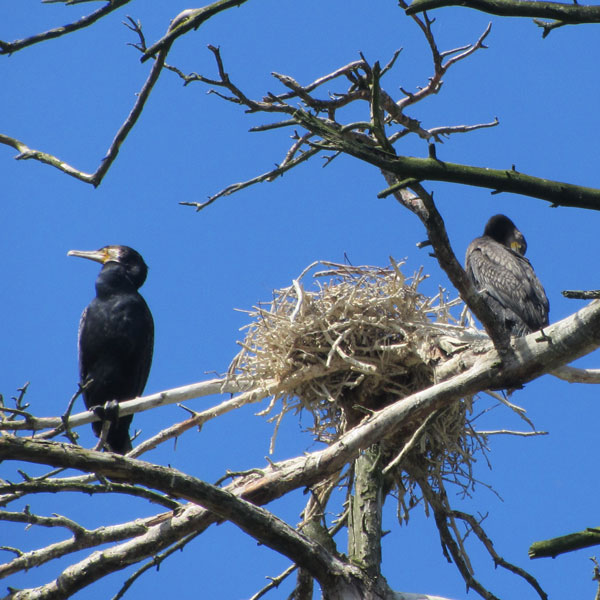
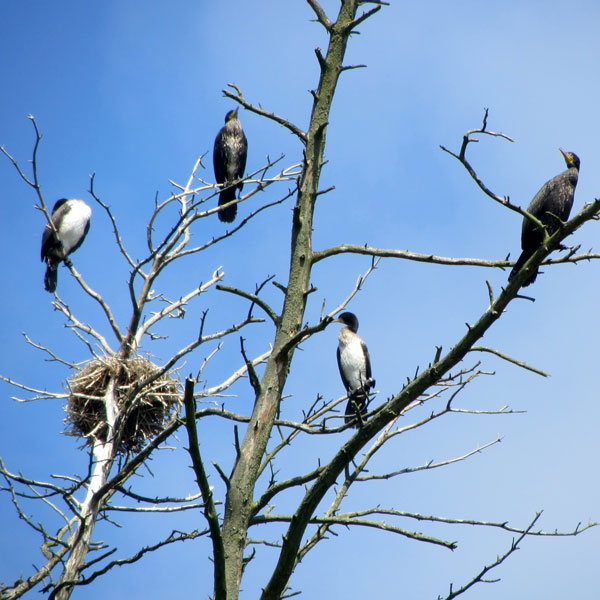
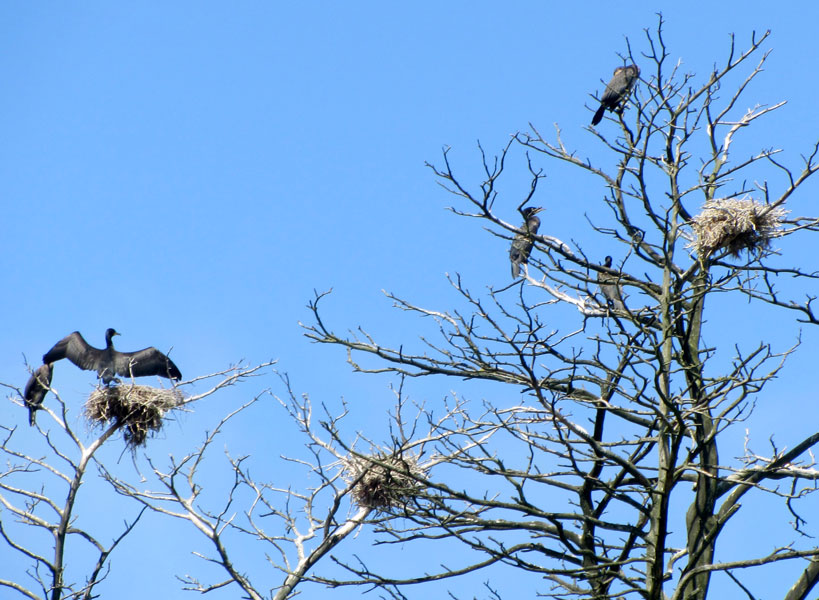
Continuing south along the spit, we stopped roadside at the nesting grounds of two protected bird species: the Great Cormorants and the Grey Herons.
Amber hunting
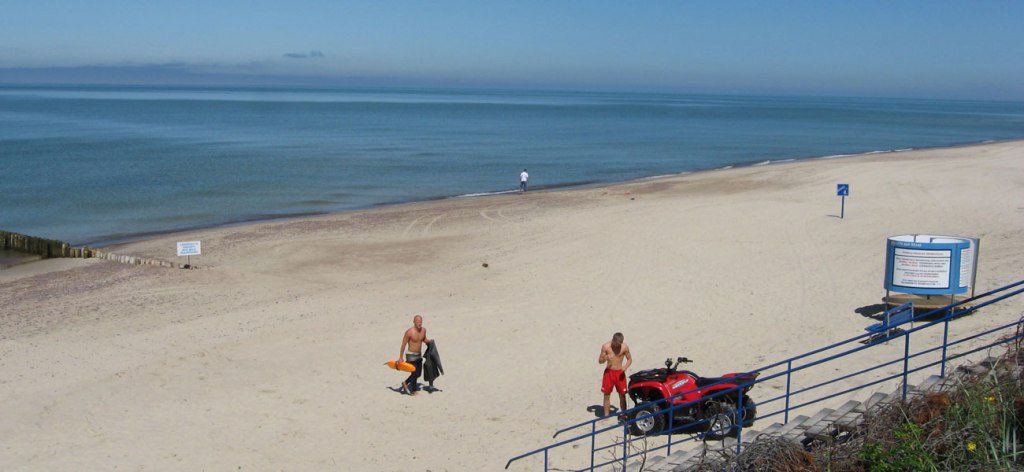
Leaving the birds behind, we reached a beach on the Baltic Sea side of the Spit where we were given some time to wander the sand and search for any amber pieces that have been brought in by the tide. No one hit the jackpot.
Nida
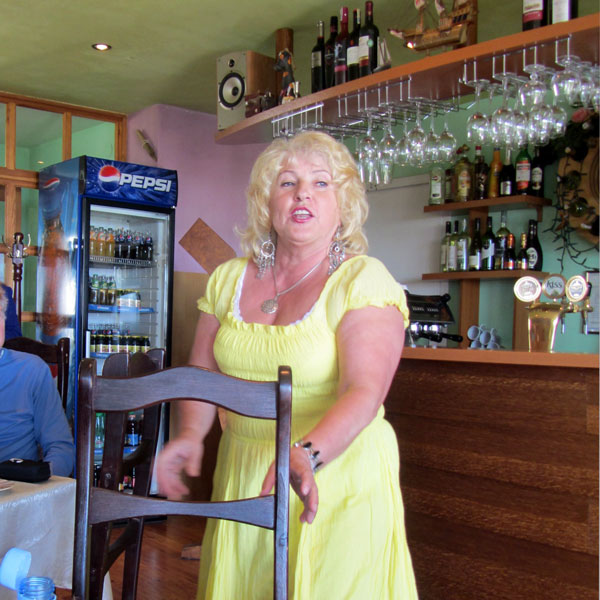
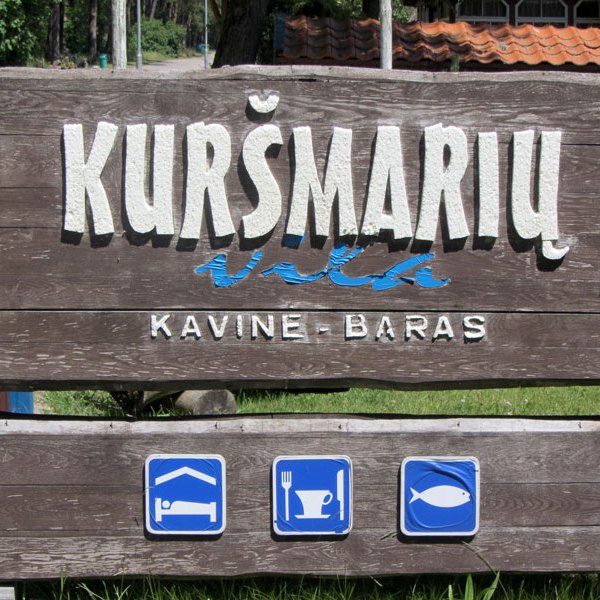
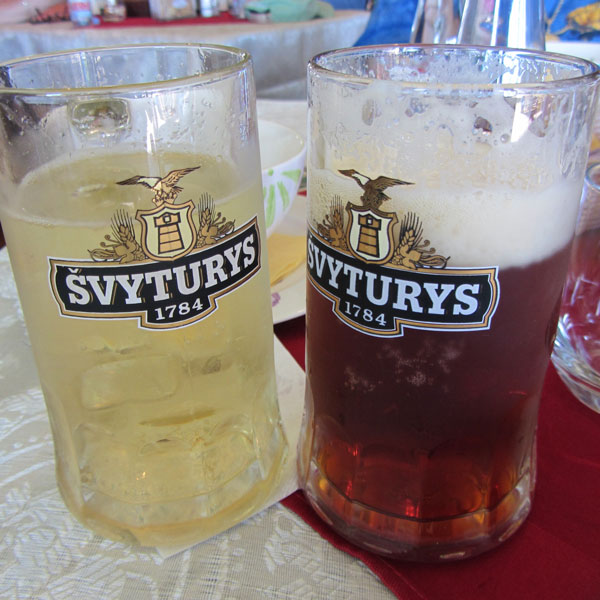
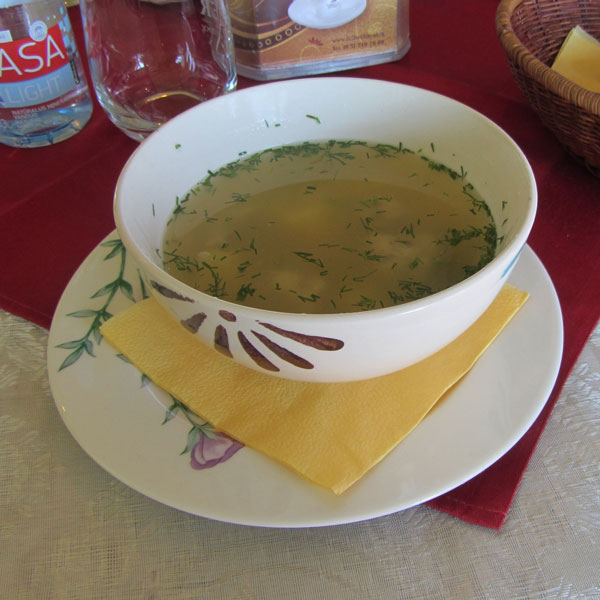
Leaving the sand and the surf behind, we continue heading towards the Russian border, reaching Nida. Here, we all piled into the Kuršmariu Restaurant for lunch with a musical performance to boot.
The End of the Spit
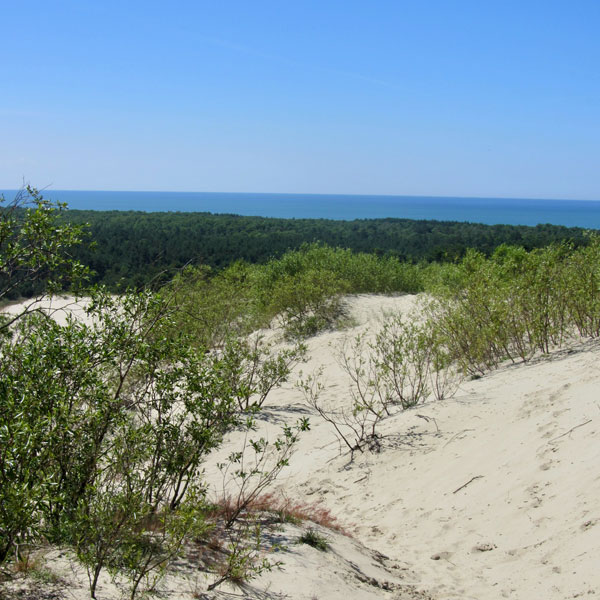
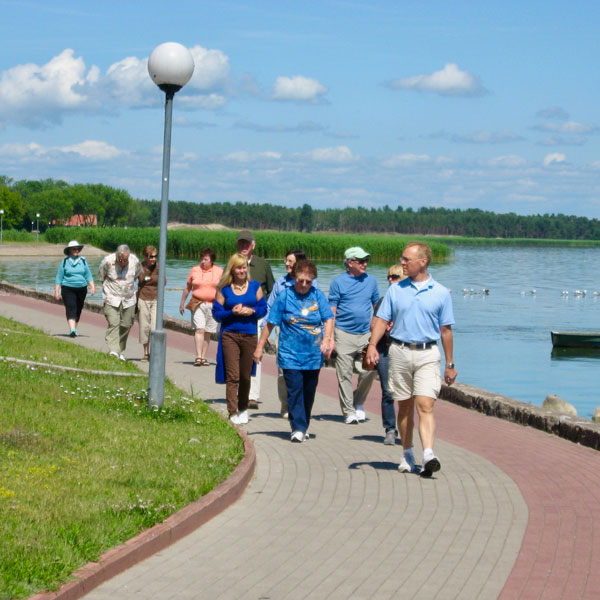
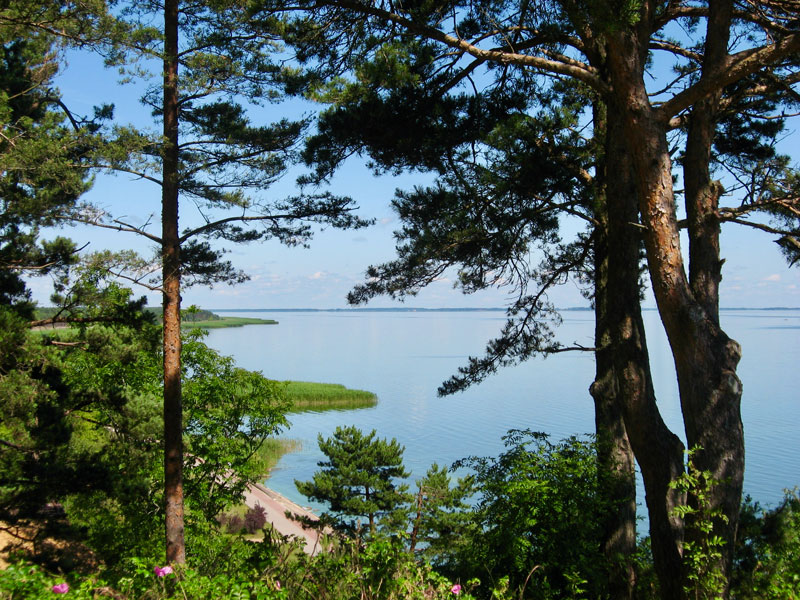
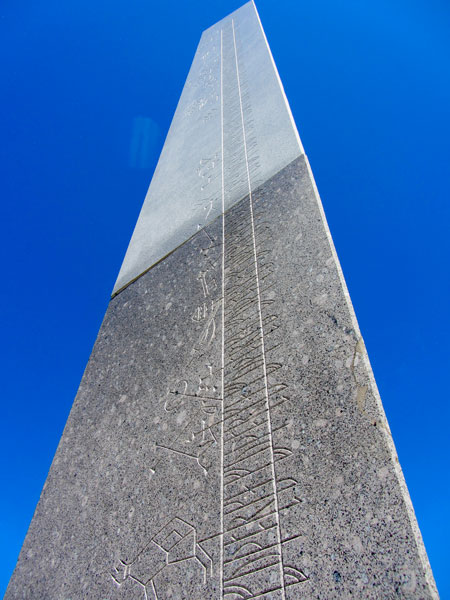
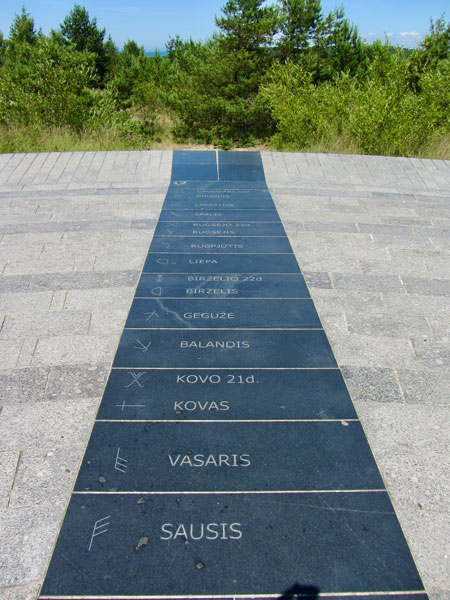
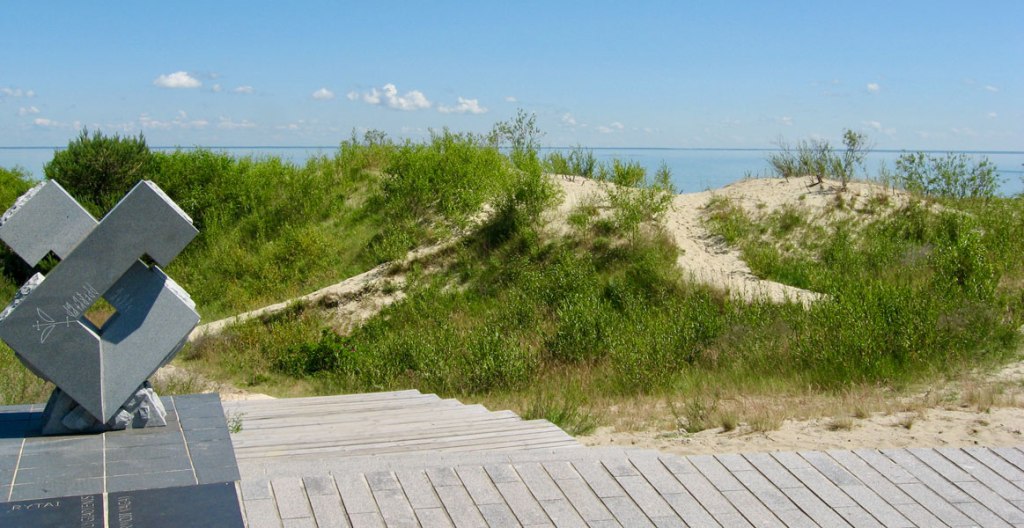
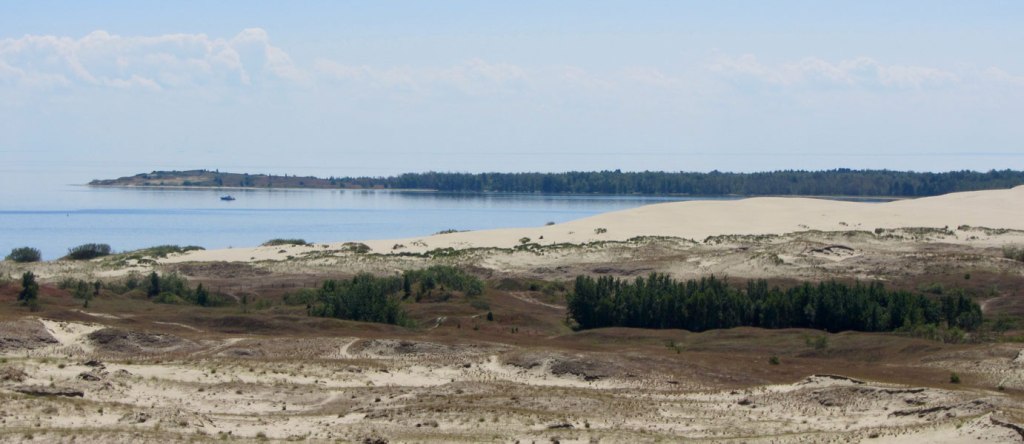
After lunch, we explored the lagoon shoreline along walking paths that stretched from Nida to the Parnidis dune and sundial that actually shows the correct time (when there’s sun!) The obelisk stands 45′ high and is surrounded granite slabs. On the obelisk & slabs are carved notches designating hours and half-hours, months, and the annual solstices and equinoxes. And you can see Russia in the distance.
Amber artisans are we
We may not have found any amber on the beach earlier today. But, having reached the end of the Lithuanian part of the Spit, we went to an amber gallery shop where we made our own string jewelry with a provided shard of amber.
It was an exhausting day and the bus ride home was a completely forgotten experience.
But there was one more thing that needed to be done in Klaipeda: divide up the honey. We had checked US Customs restrictions and discovered that there were none on bringing honey into the United States. So Rob threw out the idea to our fellow travelers that they might want a bottle of sweet Lithuanian honey to take home with them. And we had 10 pounds of it that we were happy to share. Everyone was onboard with the idea. So, Rob secured a funnel from the hotel kitchen, people gave us empty water bottles, and Rob turned our hotel bathroom into, what he called, a pseudo-meth lab, warming up the honey for pour-ability and then filling up bottles for our fellow wayfarers.
Tomorrow, we leave Lithuania behind and enter Baltic country #2, Latvia. But not before making a pilgrimage to one of Lithuania’s strangest and most visited of religious sites, the Hill of Crosses.
 Our Baltic Adventure