
We’re off!
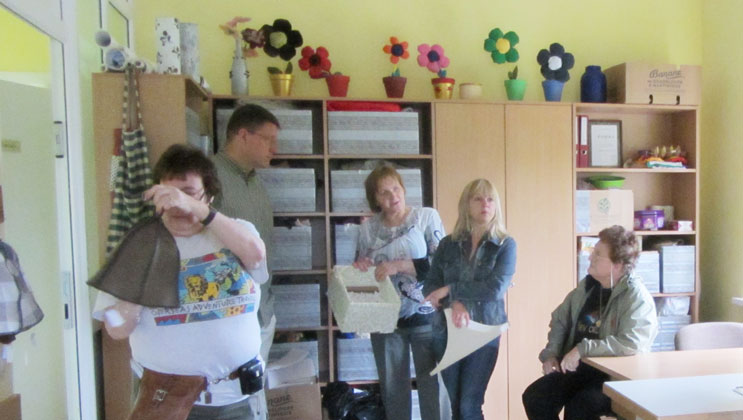
Heading north to Riga, Latvia for another three night gig. But we have two stops left here in Lithuania. First was a Foundation visit to a Lithuanian school that receives financial support through the Grand Circle Foundation. Unfortunately (or, better yet, fortunately!), because it was a Saturday, the school was officially closed. Meaning no rugrats to be entertained. But the administration opened the building specifically for our group so that we could visit the facility and see how the foundation’s funding was doing good work. (Also, it was a good place for a bathroom break.)
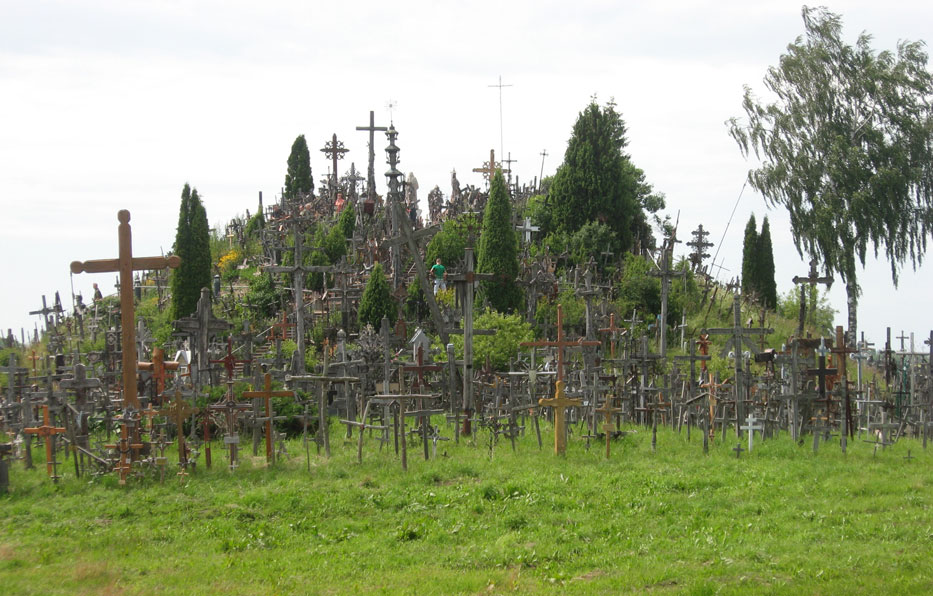
From there, we were back on our pilgrimage to the Hill of Crosses.
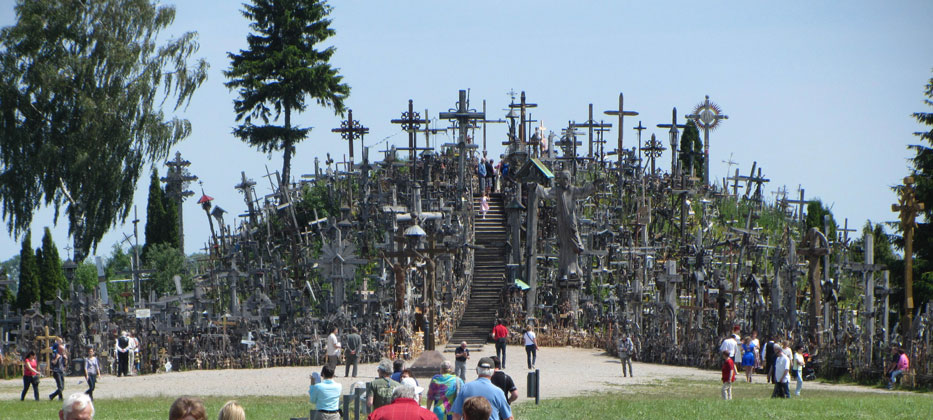
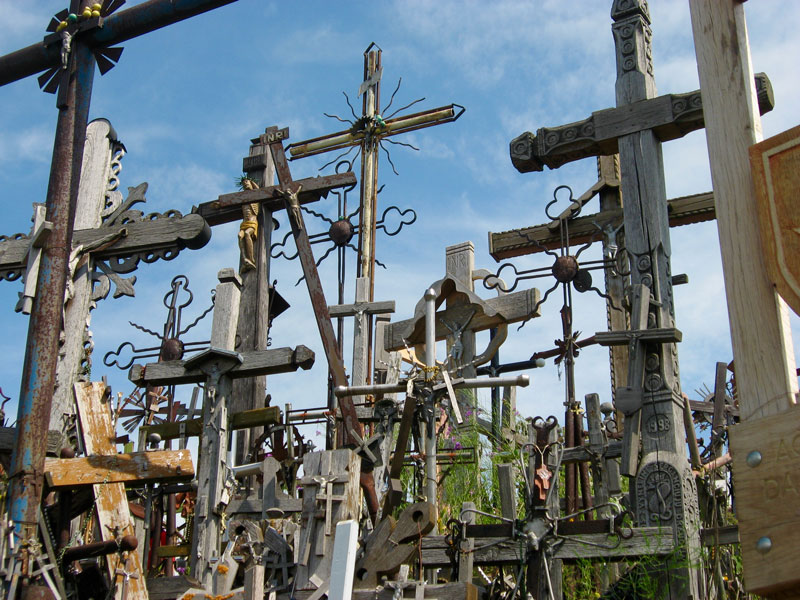
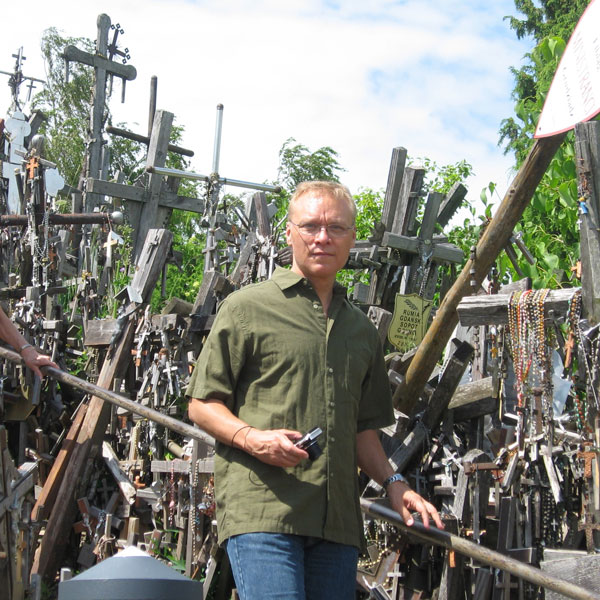
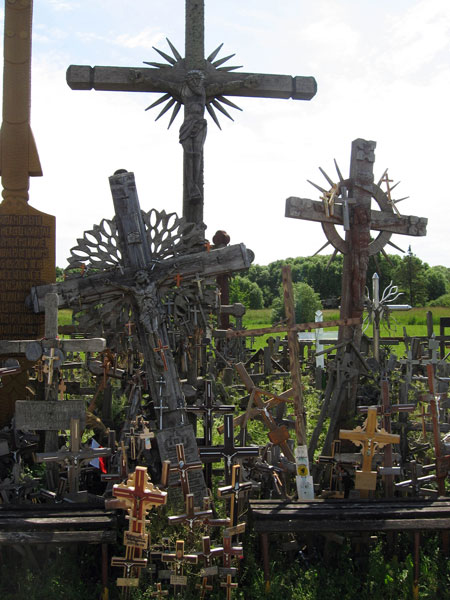
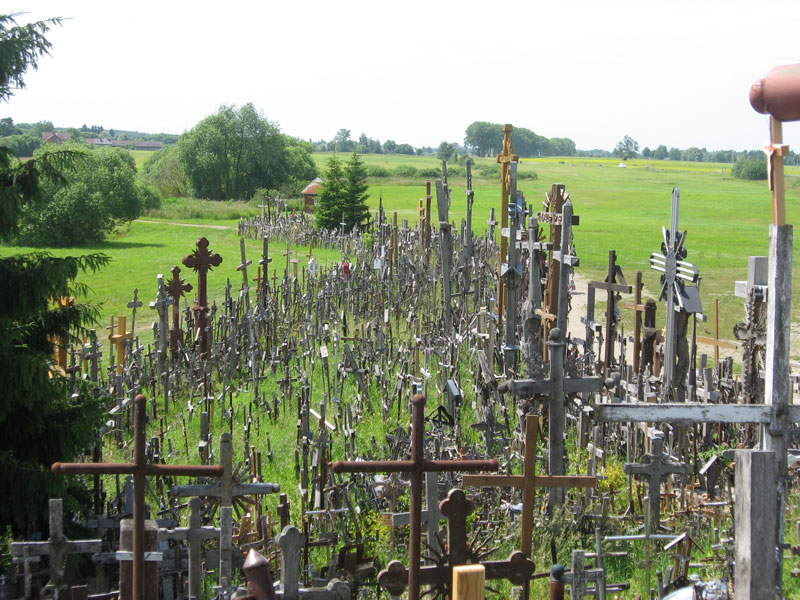
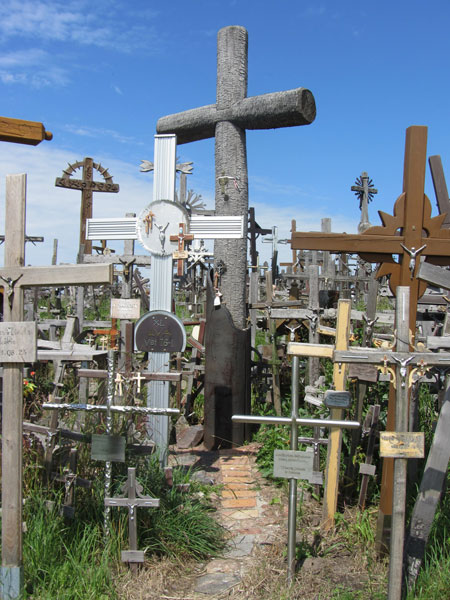
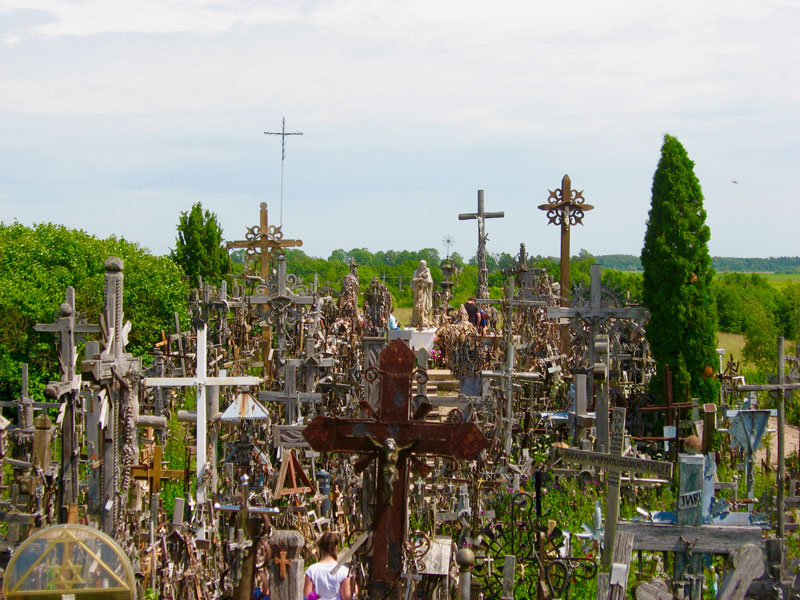
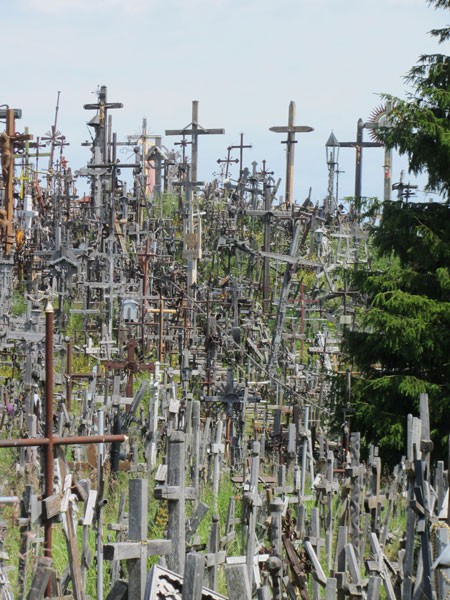
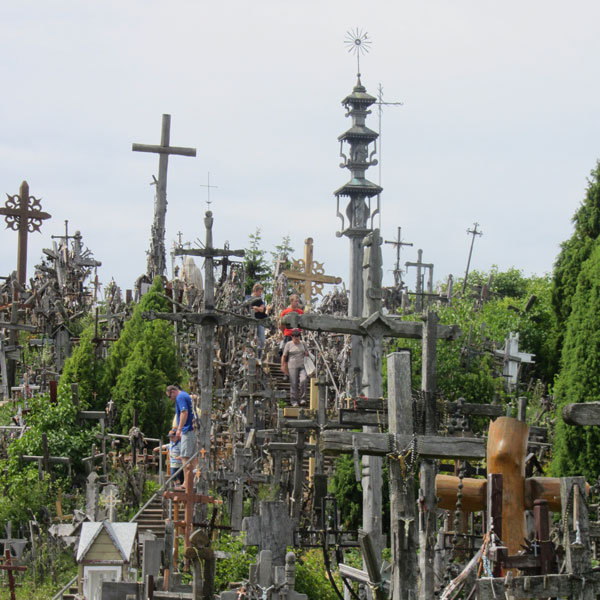
Hill of Crosses – Šiauliai, LT
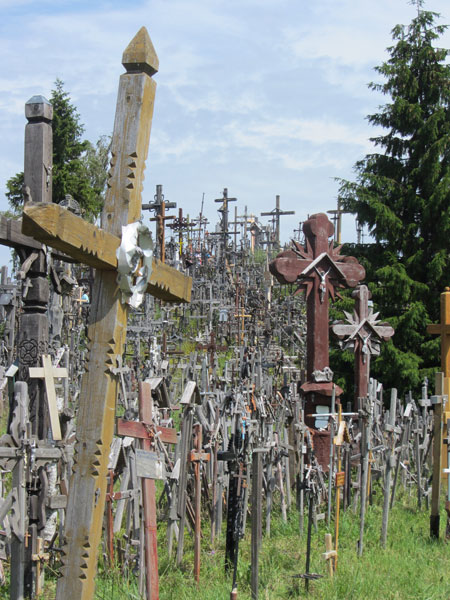
When the practice of leaving crosses here started is uncertain. The first ones may have been placed after an 1831 uprising against their Russians rulers. Families, unable to locate the bodies of perished rebels, started putting up symbolic crosses at the former hill fort site to remember the deceased.
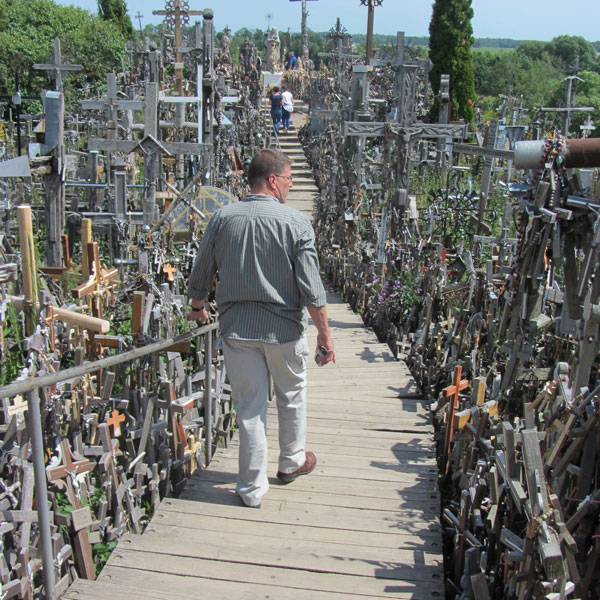
Between the wars, Lithuanians used the place to pray for peace, for their country, and for the loved ones they had lost during the Wars of Independence.The area took on a particular significance during the years of Soviet domination. The Hill came to signify the public’s opposition to Soviet suppression. This was contrary to the unofficial Soviet state policy of atheism. The KGB tried to destroy the landmark with blockades, armed guards, penalties and outright incarcerations. They went so far as to bulldoze the hill on three separate occasions. Despite these extreme measures, crosses continue to reappear, often during the night, in peaceful resistance.
After Lithuania re-achieved independence, the hill became a symbol of the Lithuanian people’s determination to retain their religious and national identity during those times. The number of crosses exploded and it has became a site of catholic pilgrimage. (Pope John Paul II visited in 1993.)
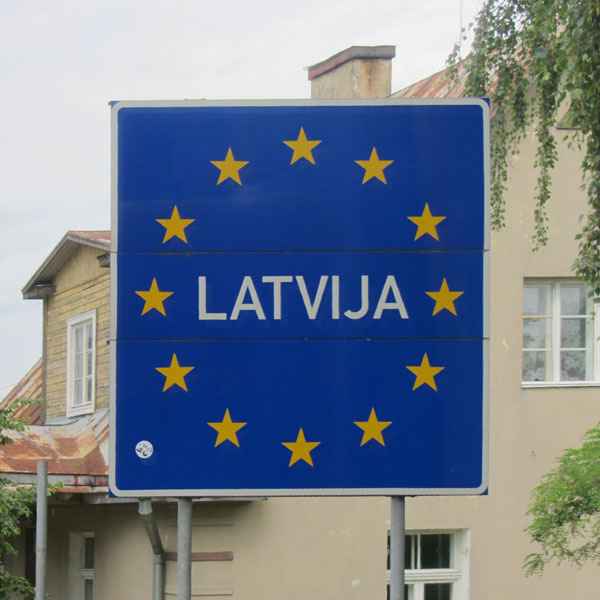
Latvia border crossing
Our crossing was uneventful. Ya gotta love that Schengen Agreement.
One thing that helped pass the time along on these longer bus rides between the Baltic capitals was that Aida would play a video program that was relevant to our upcoming destinations over the bus’s TV system. Unfortunately, writing this as I am a dozen years after our actual trip, I can only remember one of them, the one we watched on the way to St. Petersburg. But I do recall that the subject matter was generally depressing! Historical, interesting but bleak and heart-breaking. They dealt with the struggles of these countries as they were subjugated by the Russians, the Nazis and the Soviets in turn. Coupled with some of the memorials we visited in Latvia and Estonia, Rob dubbed this trip the “Occupation Vacation.”
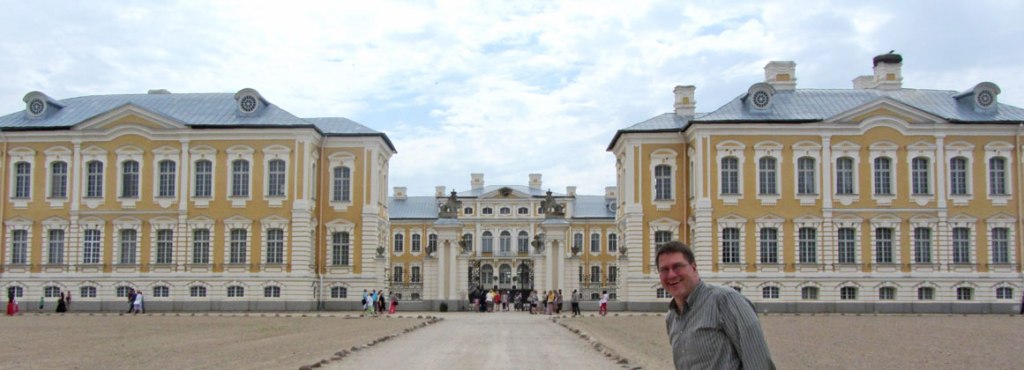
Fortunately, our first stop in Latvia was a former Russian palace awash in much of its former glory.
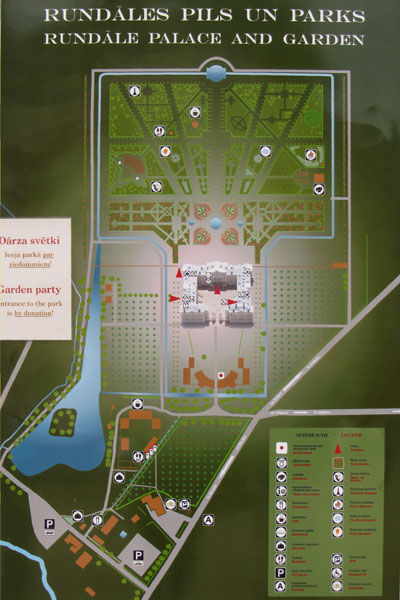
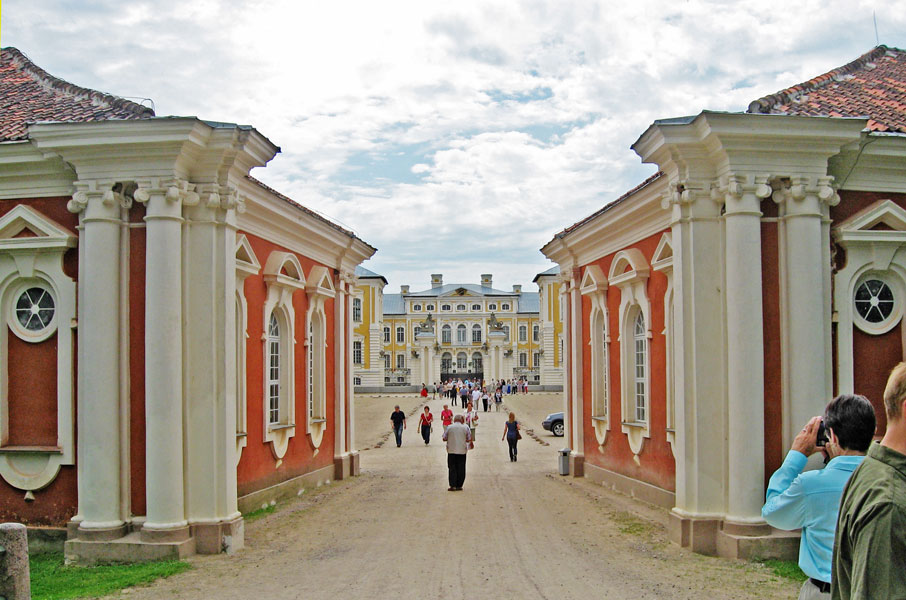
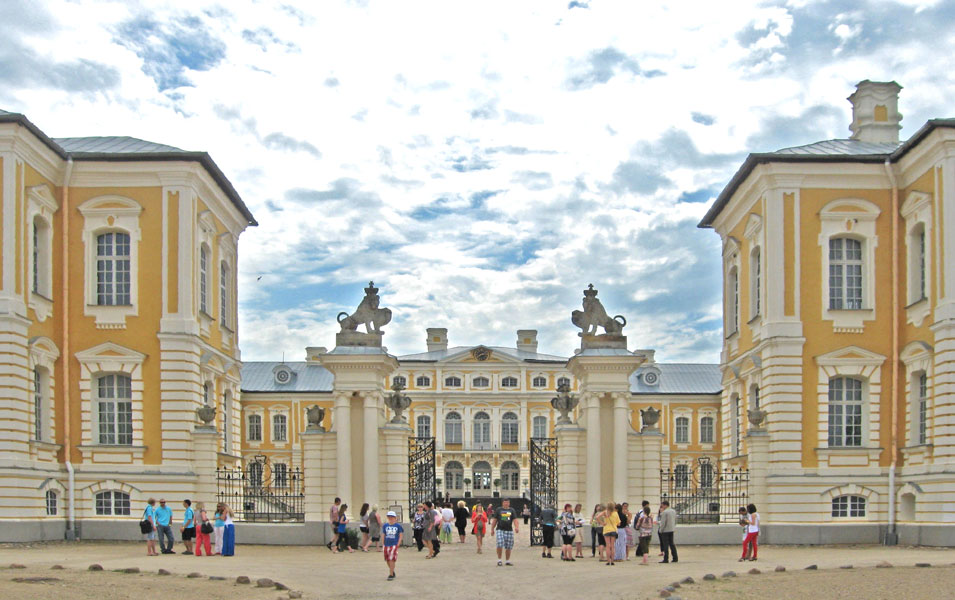
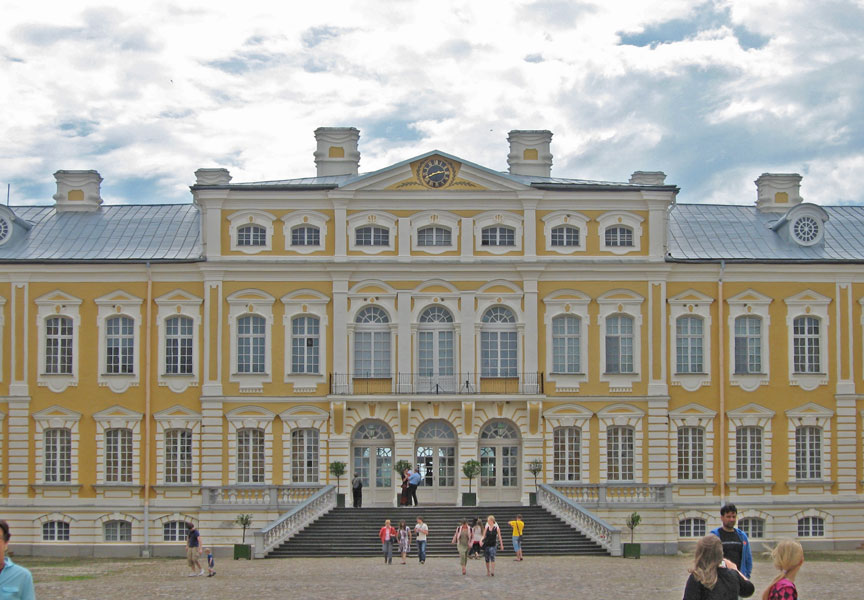
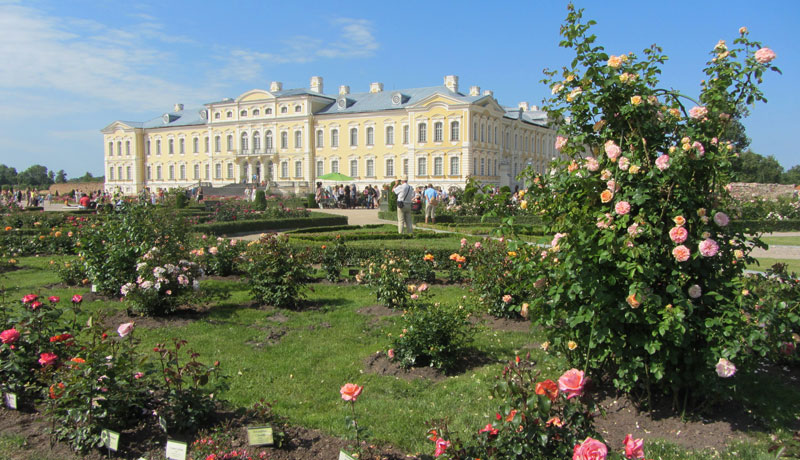
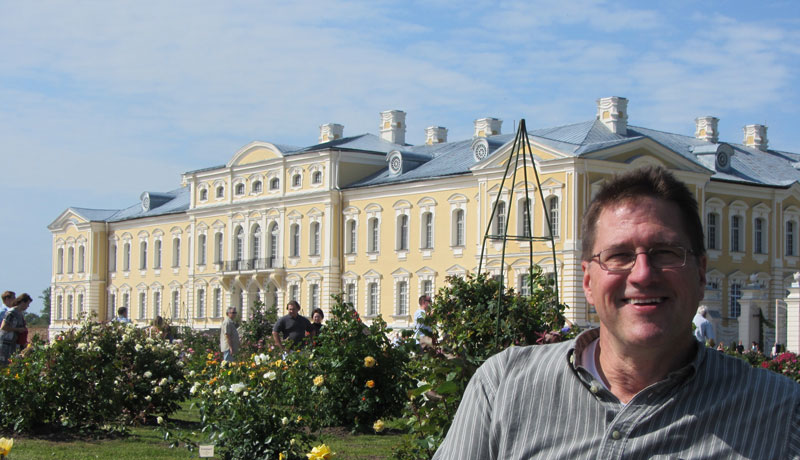
Rundāles Palace – Pilsrundāle, LV
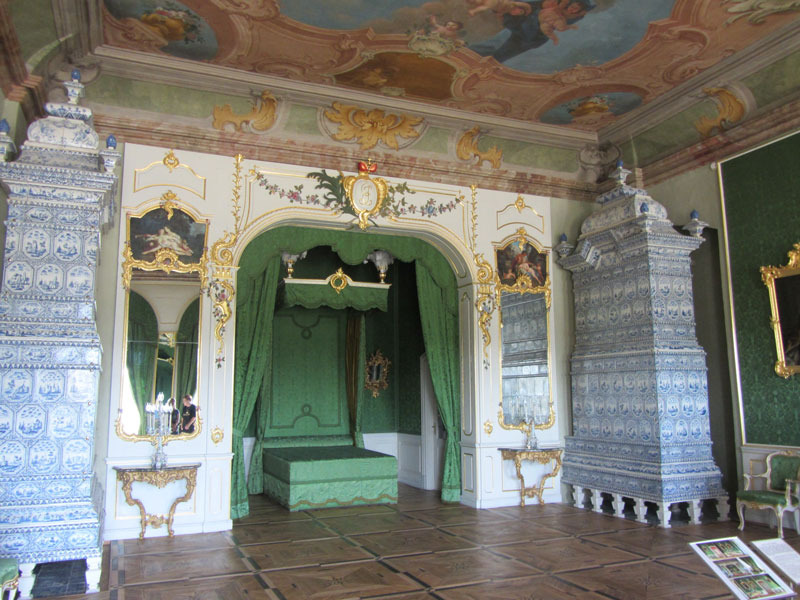
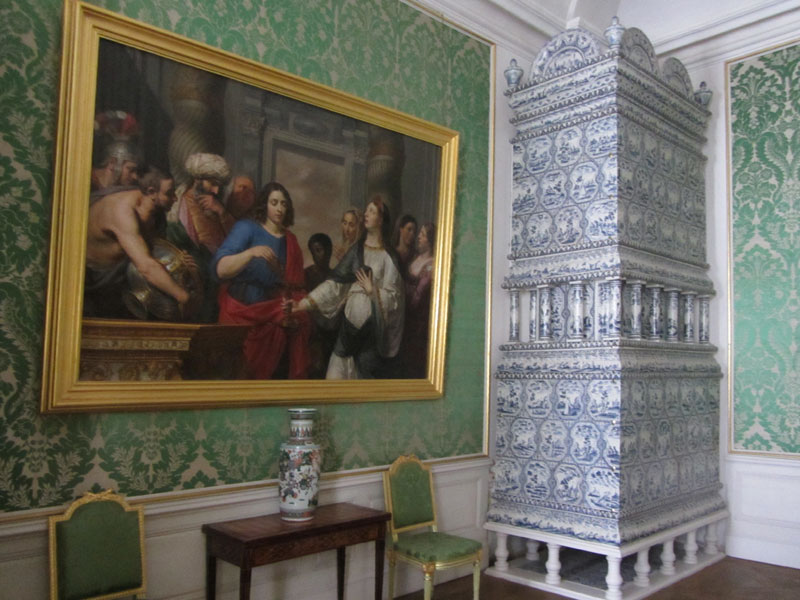
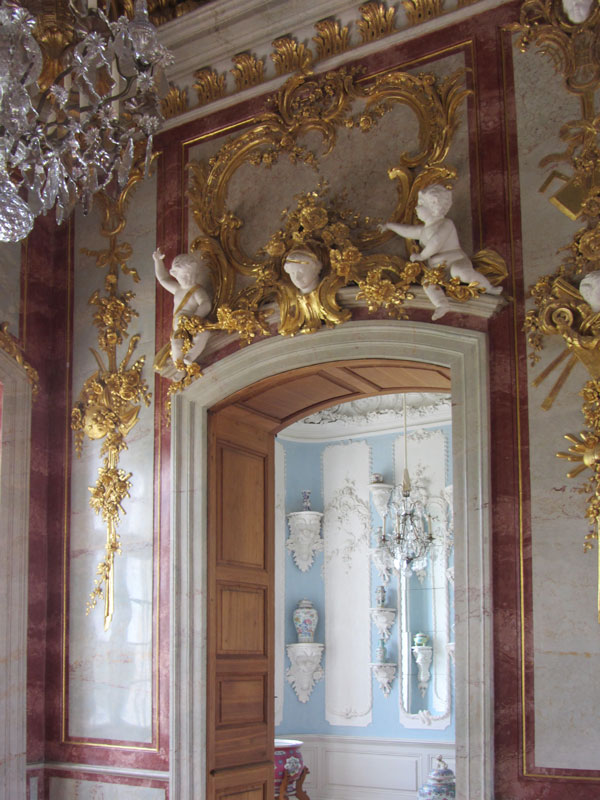
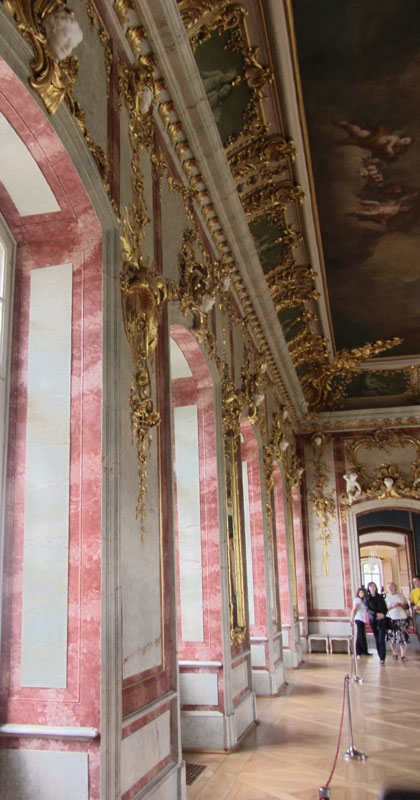
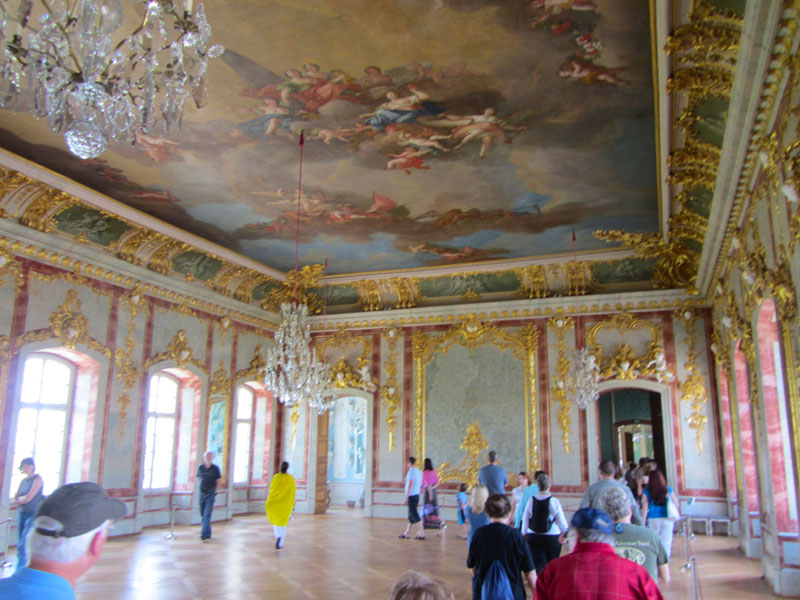
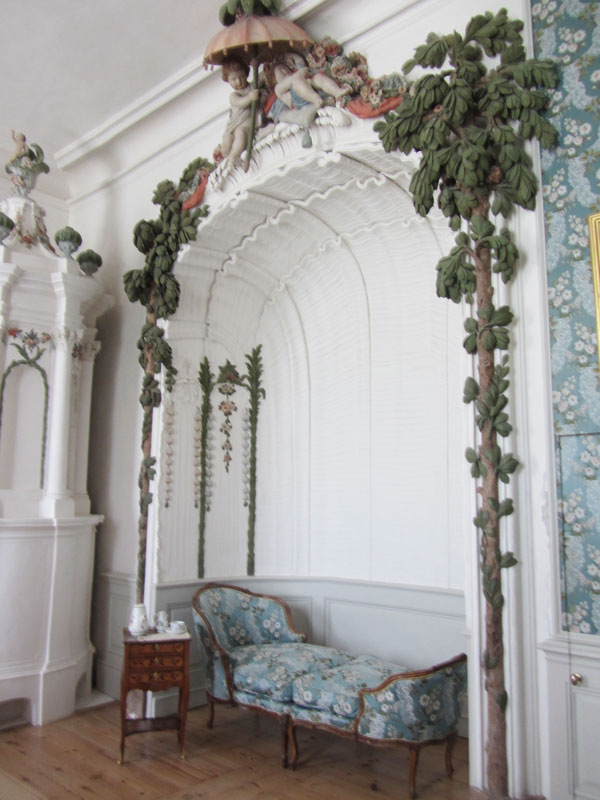
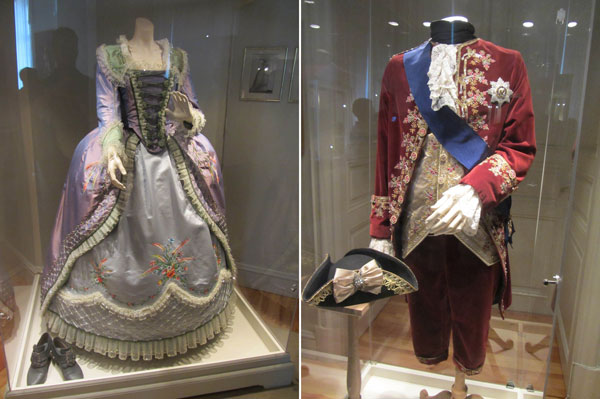
Originally built for the Dukes of Courland, the palace has had multiple owners and many “past lives” totally unrelated to its intended purpose as a royal residence. Once the royals vacated, it has been a military HQ, hospital, school, veteran’s home, grain storehouse and museum. Eventually, the Latvian Supreme Soviet decided to restore the palace, work that continued after re-achieving full independence in 1991, until the restoration work was completed. The palace and its surrounding gardens are now a museum and a major tourist attraction in Latvia.
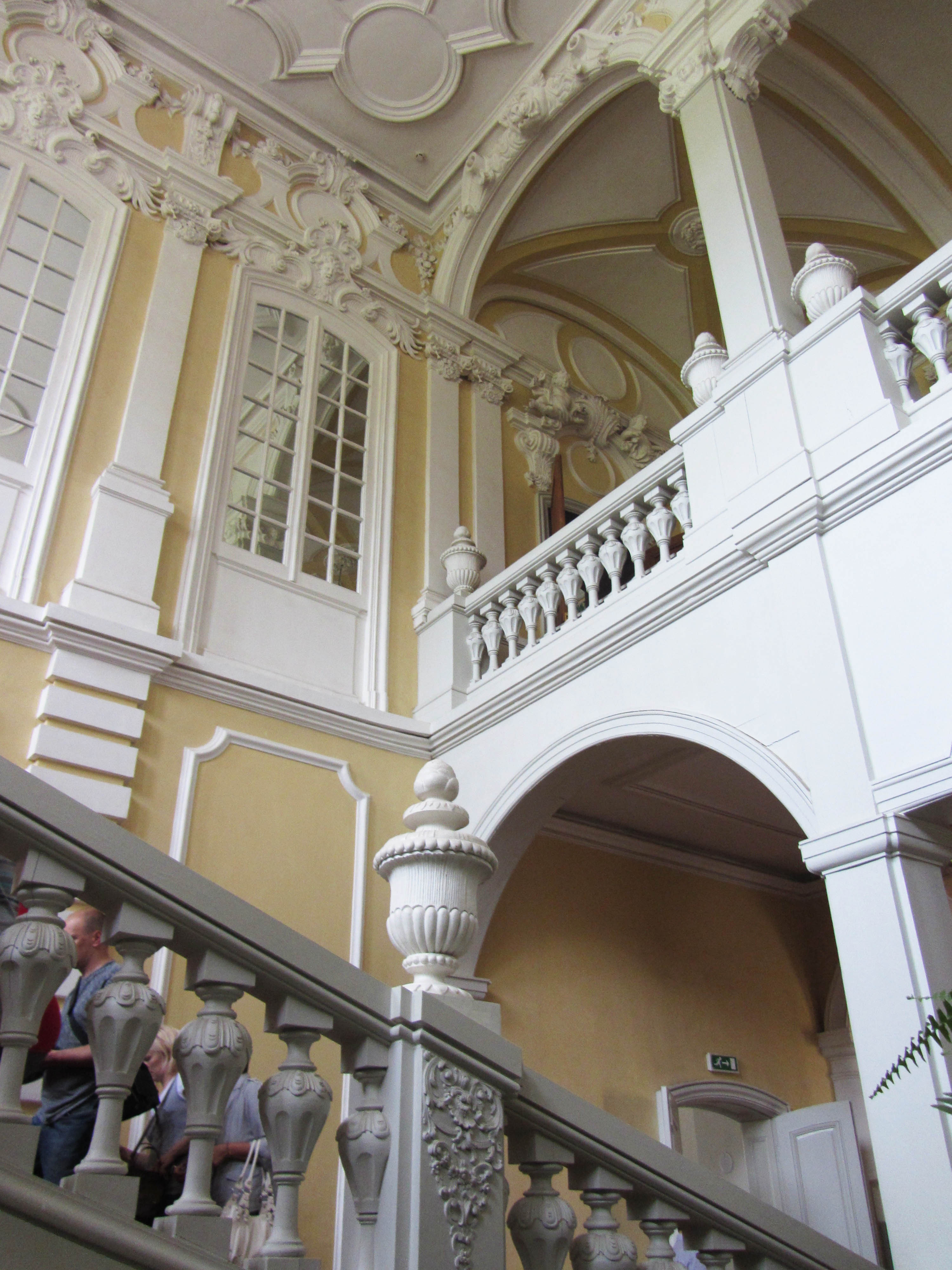
Palace Rooms
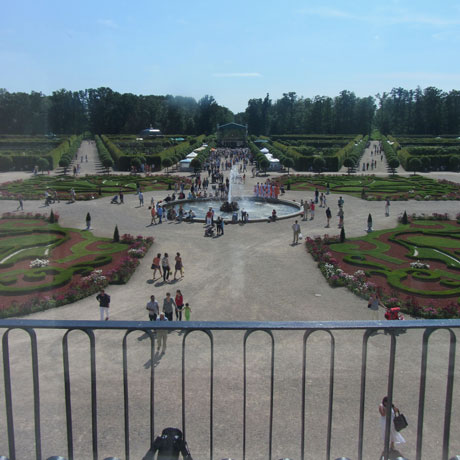
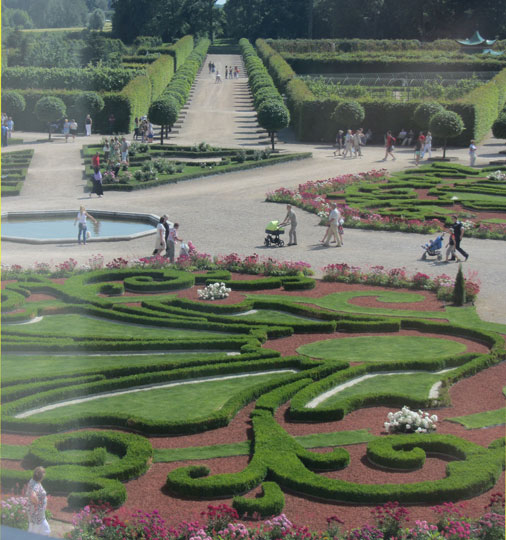
Palace Gardens
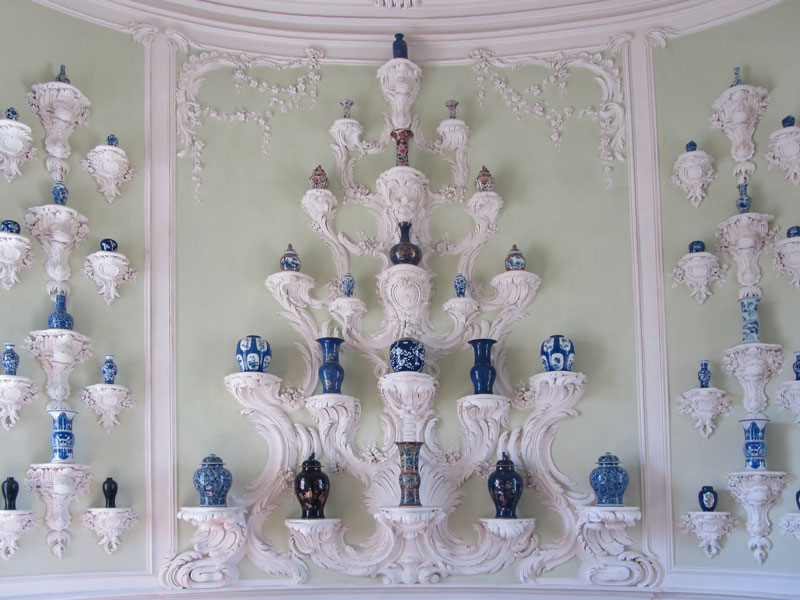
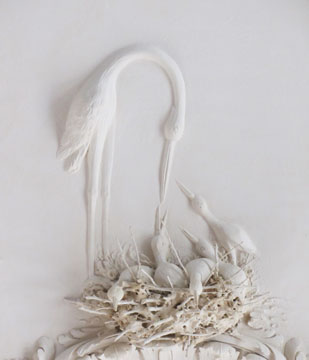
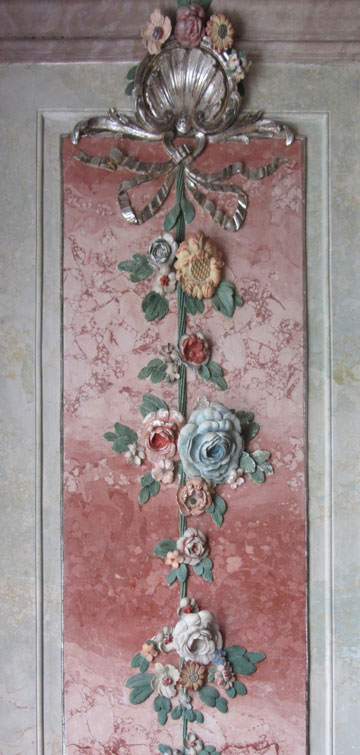
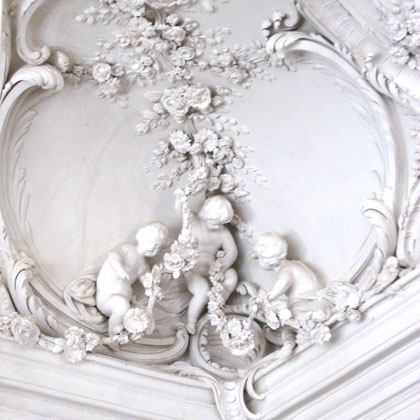
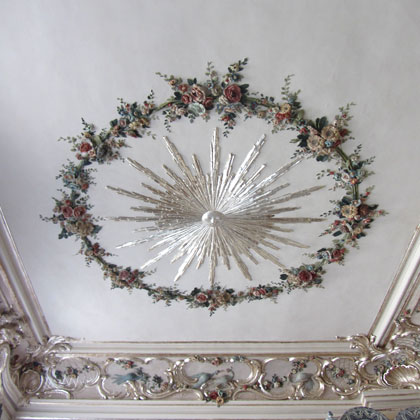
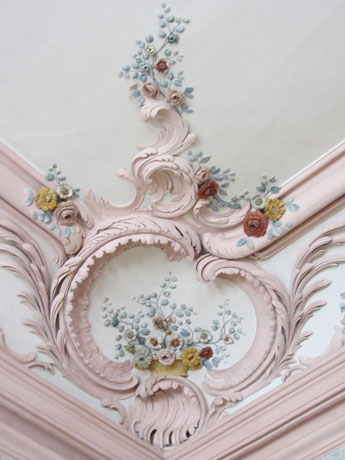
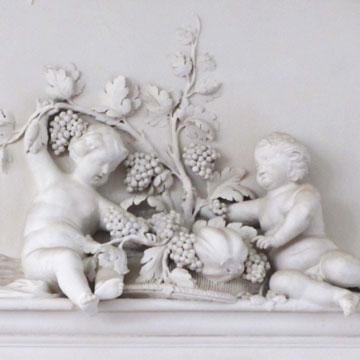
Decorative Elements in the Palace
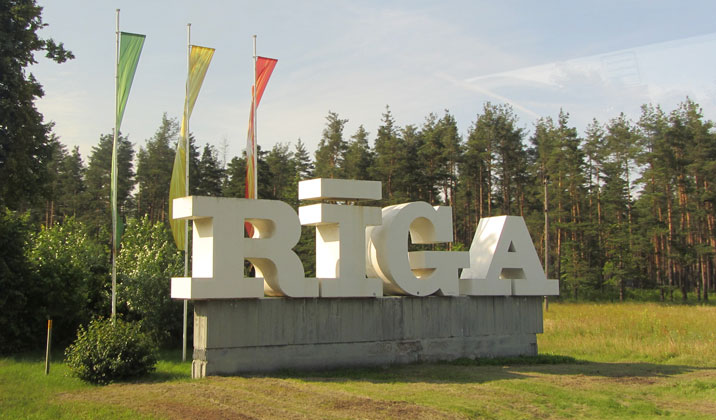
Goodbye to Rundāles Palace – On to Riga
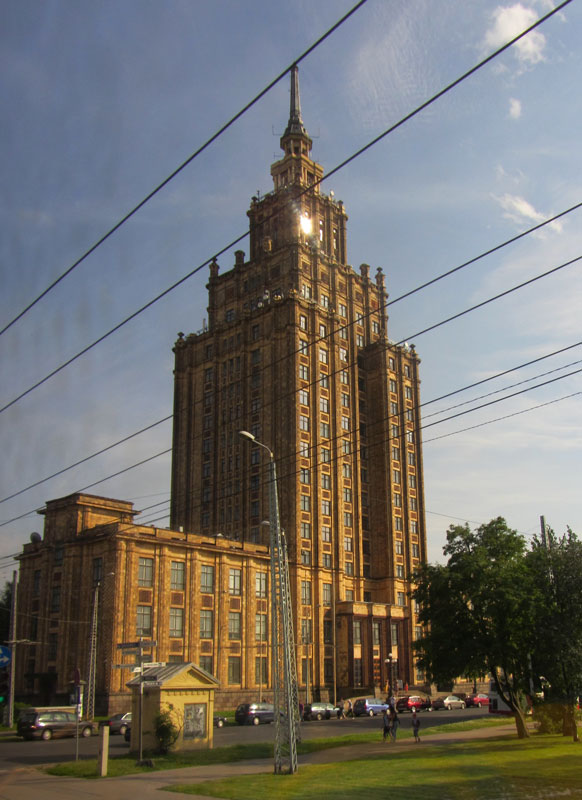
aka the Latvian Academy of Sciences
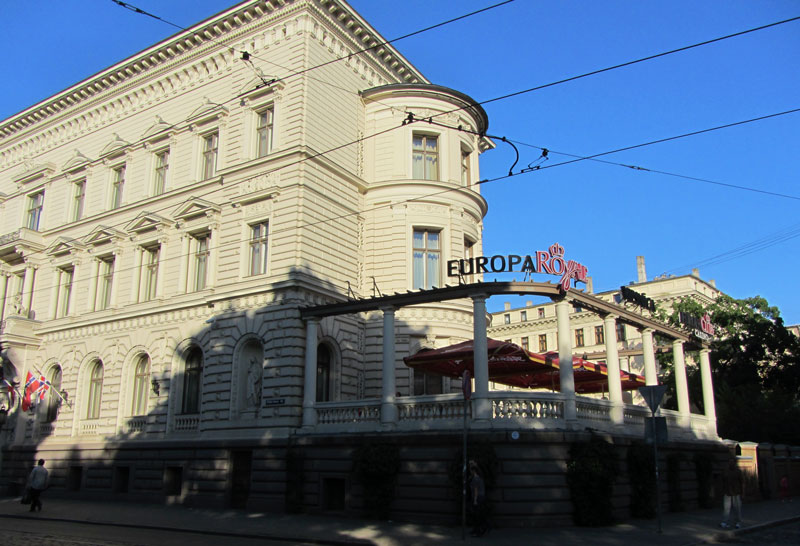
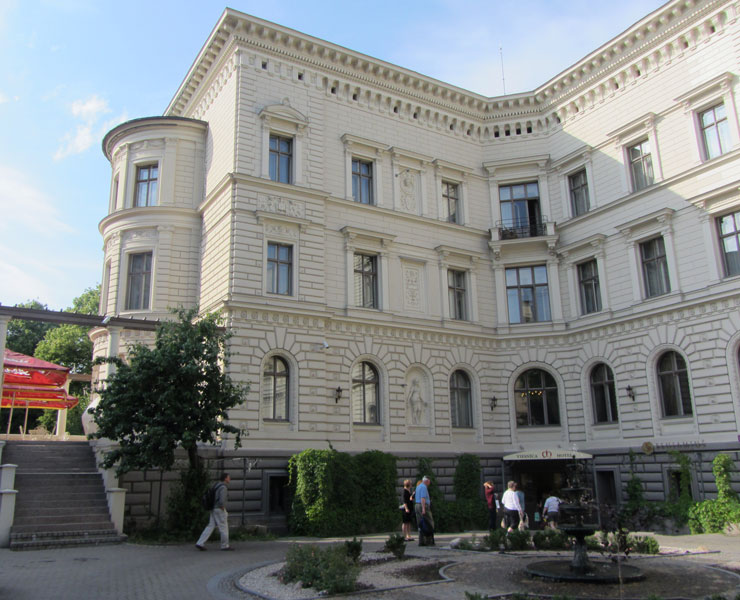
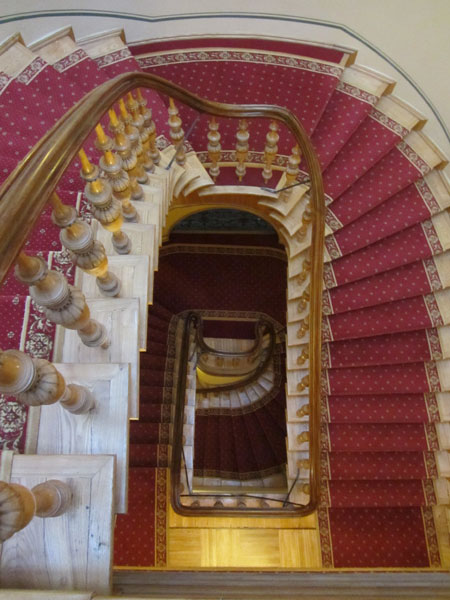
Europa Royale Hotel
Our home for the next three nights.
 Our Baltic Adventure